Why Radon Water Testing Matters for Pennsylvania Homeowners
When you think about radon, the first thing that comes to mind is probably the colorless, odorless gas seeping up through a basement floor. That is the classic picture, and it is a real one. But there is another route radon takes into a home that often gets overlooked until someone starts tasting metal in their tap water or a test kit sitting on a kitchen counter comes back with numbers that do not make sense. Radon can dissolve into groundwater, and if your home relies on a private well, that water becomes a direct pipeline for the gas into your living space. I have spent years working with homeowners in York County, Pennsylvania, where the geology is especially prone to uranium decay, and I have seen too many people assume a whole-house mitigation system for air is all they need. It is not always enough.
Radon in water behaves differently than radon in soil. When it enters a house through well water, it can be released into the air during everyday activities like showering, washing dishes, or running a load of laundry. The aeration process essentially strips the gas from the water and sends it into the indoor air, where it joins whatever radon is already coming up through the foundation. That raises the overall radon level in the house, sometimes significantly. I have tested homes where the water contributed more than half of the total airborne radon. The scary part is that you cannot see it or smell it, and standard air testing alone will not tell you where it is coming from. That is where radon water testing becomes essential.
How Radon Gets Into Well Water
Groundwater moves through cracks and pores in rock formations. In places like York County, the bedrock contains natural uranium that decays into radium and then into radon gas. As water travels through those fissures, it picks up the gas and carries it along. The concentration depends on how long the water is in contact with the rock, the type of rock, and the depth of the well. Shallow wells in sandy soil tend to have lower levels, while deep wells drilled into granite or shale can have very high levels. I have seen private wells in this area produce readings over 10,000 picocuries per liter. The EPA has set a proposed maximum contaminant level of 300 pCi/L for radon in water, but that is a guideline, not an enforceable standard for private wells. So it falls on the homeowner to check.
One thing that surprises people is that a neighbor's well might test fine while yours comes back elevated. Radon in groundwater can vary wildly over short distances because it depends on the exact fracture patterns in the rock. A test kit sent to a lab is really the only reliable way to know what you are dealing with. And the test is not complicated. You run the cold water for a few minutes, fill a sample bottle without letting any air bubbles form, cap it tight, and mail it off to a lab like RADON TESTING LABS or HomeRadon Test. They return a result in a week or two. For something that affects your family's health, it is a small effort.
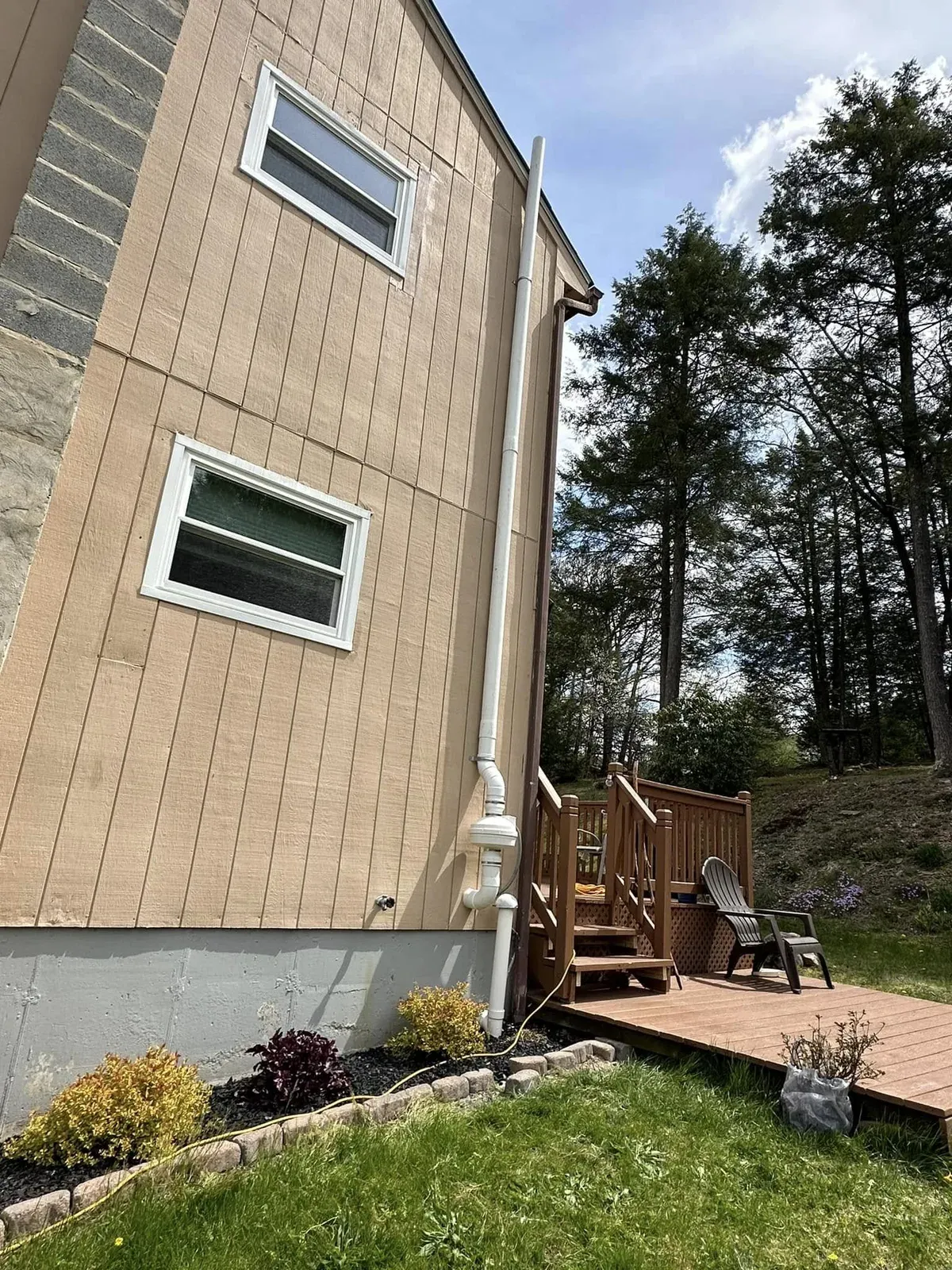
Testing Options: Kits and Monitors
For a one-time snapshot, a Charcoal Canister test is the standard for radon in water, just as it is for air. You send it to a lab, and they measure the gamma radiation emitted by the trapped radon decay products. It is cheap and reasonably accurate for a screening test. But water can be tricky because the radon starts escaping as soon as you open the tap. The sample has to be handled carefully, or you get a false low reading. I have seen homeowners fill a sample bottle from a kitchen faucet after running the water for only a few seconds, and the results came back low enough that they skipped mitigation. A retest with proper technique showed levels triple that.
If you want more precision or need to track changes over time, a Continuous Radon Monitor placed near a water source can help, though those are more common for air testing. For water specifically, the Alpha Track Detector is less common because water samples degrade quickly, but some labs offer it for longer-term integration. Honestly, for most homeowners, a mail-in test from a reputable lab is the practical choice. The Safe Home radon test kit is another simple option that many people use for both air and water. The key is to follow the instructions exactly and to test during a season when the house is being lived in normally, not when windows are wide open for weeks.
For someone who wants the highest confidence, a Professional Radon Measurement Service can handle the sampling and chain-of-custody paperwork. That is worth considering if you are buying or selling a home, or if a previous water test came back borderline and you need a definitive answer before investing in treatment. But for routine screening, a do-it-yourself radon test kit is perfectly fine.
What the Results Mean and What to Do
The EPA suggests that if a water test shows radon levels above 4,000 pCi/L, you should consider treatment. But that number is based on a trade-off between the risk from inhaling radon released from water and the risk from ingesting it. Inhaling radon from water is considered a greater health risk than drinking it, because the stomach and digestive tract are less sensitive to radiation than lung tissue. Still, I have seen York County wells come in at 15,000 pCi/L or higher, and at that point, the contribution to indoor air radon can be substantial. Even if your air test shows levels below 4 pCi/L, a high water reading can push the combined exposure above the EPA action level.
The most effective treatment for radon in water is aeration. That involves a tank system that sprays the water into a chamber and vents the released gas outside. It works well and does not remove beneficial minerals the way some other treatments do. Granular activated carbon filters can also adsorb radon, but they have a catch. The radon decays inside the filter, and the decay products build up over time, turning the filter into a radioactive source that has to be handled and disposed of carefully. Aeration avoids that problem entirely. For most homes, the aeration system is installed after the pressure tank, so it treats all the water used in the house. The cost is higher than a carbon filter, but the safety and low maintenance make it the better long-term choice.
Putting It All Together
If you already have a radon mitigation system for air, such as sub-slab depressurization installed by a professional like Dan Jenkins, do not assume your water is safe. The two pathways are separate, and the air exchange rate in your home will determine how much of the radon from water ends up in your breathing air. A tight, energy-efficient house with a low air exchange rate can trap that radon and let it build up. I worked with a family in York County who had a brand new radon mitigation system in their basement, and their air readings were still borderline. A water test revealed the source. They added an aeration unit, and the air levels dropped to well below the EPA action level.
Radon water testing is not something most people think about until they have a reason. But for anyone on a private well in Pennsylvania, especially in areas with granite or fractured limestone, it should be part of the routine checklist, like checking the pressure tank or testing for bacteria. The test is affordable, the treatment is proven, and the peace of mind is real. You do not need to become an expert on radon decay chains or aeration dynamics. You just need to run a sample and send it off. The results will tell you whether you need to take the next step, and if you do, there are experienced professionals like Dan Jenkins who can walk you through the options without pushing expensive gear you do not need.
At the end of the day, radon in water is a manageable problem. It is not like some environmental issues where the fix is vague or unproven. The science is solid, the testing is straightforward, and the mitigation systems work. The only real mistake is not testing in the first place. So if you have a private well and you have never done radon water testing, now is the time. Pick up a kit, follow the instructions, and see what comes back. It might save you from breathing in something you never knew was there.
