Why Professional Mouse Exclusion Services Matter for Long-Term Rodent Control
When most people think about a mouse problem, they picture a single rodent scurrying across the kitchen floor. That image is unsettling, but it is only the surface of a much deeper issue. A lone mouse is rarely alone. Behind one visible sighting, there is often a nest of babies, a steady trail of droppings, and a network of hidden entry points that let new mice walk in at will. The real problem is not the mouse you see. It is the path it took to get inside.
That path is what professional mouse exclusion services are designed to close. Instead of just killing the rodents inside your home, exclusion focuses on the structural weaknesses that let them in. It is a shift from reactive trapping to proactive prevention. And in a place like Cleveland, Tennessee, where seasonal weather pushes mice indoors every fall, that shift can make the difference between a one-time problem and an annual invasion.
Understanding How Mice Get Inside
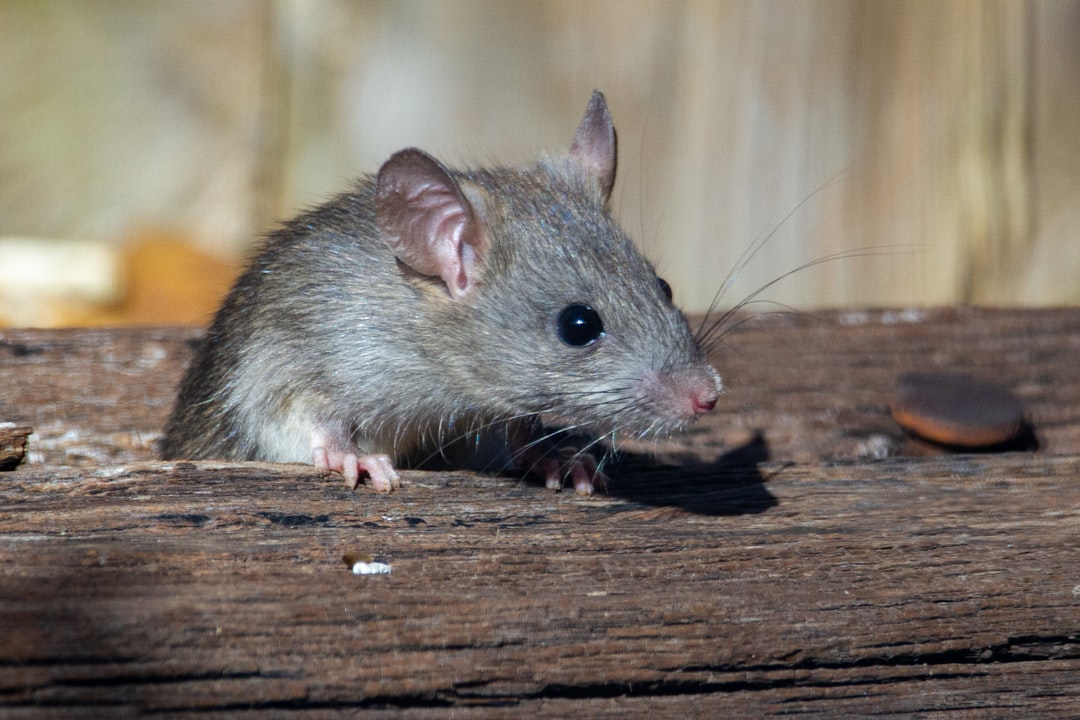
A house mouse can squeeze through a hole the size of a dime. That is about a quarter of an inch. To put that in perspective, a new pencil eraser is roughly the same diameter. Mice are not climbing through your front door. They are exploiting gaps you probably never even noticed. Common entry points include the edges of garage doors, foundation vents, utility line penetrations, and the tiny spaces where siding meets brick. A gap that looks insignificant to you is a highway to a mouse.
During an inspection for rodent exclusion, a technician will walk the entire perimeter of the home, looking for these gaps. They check the roofline, the crawlspace, the corners of the foundation, and every pipe or wire that enters the structure. It is a methodical process, and it often reveals surprises. I have seen homes with a gap behind a downspout that led directly into an attic. I have seen garage doors that sat a half inch off the ground, which is plenty of space for a mouse to slip under. These are the kinds of details that get missed when someone tries to handle the problem on their own.
Why Trapping Alone Is Not Enough
Trapping is a vital part of any rodent control plan. Devices like snap traps, Victor Electronic Traps, TOM CAT glue boards, and Havahart traps all have their place. They remove the active mice that are already inside. But trapping alone treats the symptom, not the cause. If you trap ten mice in your basement but the hole behind the dryer is still open, eleven more will find their way in. That is not a theory. It is what happens every winter in hundreds of homes across Tennessee.
The real value of mouse exclusion services is that they address the root of the problem. After the existing mice are removed, every single entry point is sealed with the right materials. Steel wool is often packed into small gaps because mice cannot chew through it. Larger openings around pipes or foundation vents get covered with hardware cloth. Cracks in the foundation or along the sill plate are filled with caulk or a foam sealant designed for pest control. These are not temporary fixes. They are structural repairs that keep mice out for good.
What a Proper Exclusion Looks Like
A thorough exclusion job is not a quick spray or a single caulk bead. It is a comprehensive inspection and sealing process. Here is what that typically involves:
- A full perimeter inspection, inside and out, including the attic, crawlspace, and garage.
- Sealing all gaps around pipes, wires, and vents with hardware cloth, steel wool, or caulk.
- Repairing or replacing damaged foundation vents and ensuring they are securely covered.
- Adjusting garage doors to remove gaps at the bottom or sides, and adding weatherstripping where needed.
- Installing door sweeps on exterior doors that do not seal tightly against the threshold.
Each of these steps targets a specific vulnerability. The idea is to create a continuous barrier that leaves no opening for a mouse to exploit. That is the goal of rodent proofing, and it is the core promise behind professional mouse exclusion services. When done right, you do not just solve this year's mouse problem. You prevent next year's, too.
The Health and Safety Angle
Mice are not just a nuisance. They carry diseases that can affect your family. Hantavirus is one of the most serious. It is spread through mouse droppings, urine, and saliva, and it can cause severe respiratory illness. Disturbing an active nest or sweeping up dry droppings can release the virus into the air. That is why any trapping or cleanup should be handled with care. Integrated Pest Management, or IPM, is the framework that guides professional exclusion work. IPM emphasizes prevention, monitoring, and the least-toxic control methods first. Exclusion fits perfectly into that approach. It is a physical solution that does not rely on chemicals, and it addresses the problem before it becomes a health hazard.
The national Pest Management Association recommends exclusion as the first line of defense against rodents. Their guidelines stress that sealing entry points is more effective in the long run than repeated pesticide applications. That recommendation is based on years of field data and practical experience. When you seal a house properly, you reduce the need for traps and baits. You also reduce the risk of disease transmission, because fewer mice ever get the chance to enter your living space.
When to Consider Professional Help
There are plenty of DIY pest control products on the market. I have seen people try everything from peppermint oil to ultrasonic devices. Most of them do not work very well. The ones that do work, like snap traps and electronic traps, only remove individual mice. They do not fix the structural issues that let the mice in. If you find yourself setting traps week after week, or if you hear scratching in the walls at night, it is time to think about exclusion.
Professional services bring a level of thoroughness that is hard to achieve on your own. An experienced technician knows where to look. They know that a gap behind the siding near a downspout is a common entry point. They know that foundation vents often have rusted or missing screens. They know that the space where a gas line enters the house is almost never sealed. That kind of knowledge comes from doing hundreds of inspections. It is not something you can learn from a YouTube video.
Long-Term Value of Exclusion
There is a cost to hiring a professional for mouse exclusion services. But when you compare it to the cost of repeated trapping, cleaning up droppings, and repairing chewed wires or insulation, the value becomes clear. A single mouse can cause significant damage. They gnaw on electrical wiring, which creates a fire hazard. They tear up insulation for nesting material. They contaminate food and surfaces with bacteria. Over time, that adds up to hundreds or even thousands of dollars in damage. Exclusion is an investment that protects your home and your peace of mind.
In Cleveland, Tennessee, the climate makes exclusion especially important. Fall and winter bring cooler temperatures, and mice look for warmth. If your home has unsealed entry points, it is a welcome sign. The best time to address that is before the weather turns. But even if you are already dealing with an active infestation, it is not too late. The right approach is to trap the mice that are inside, then seal every opening so no more can get in. That combination of removal and prevention is the only way to break the cycle.
What to Expect from a Service Visit
A typical exclusion service starts with an inspection. The technician will look at the outside of the house, the attic, the basement or crawlspace, and the garage. They will identify active entry points and potential vulnerabilities. Then they will recommend a plan. That may include trapping the current population using snap traps, Victor Electronic Traps, or TOM CAT glue boards, depending on the situation. Havahart traps are sometimes used for larger rodents, but for mice, snap traps and electronic traps are usually the most effective.

Once the mice are removed, the sealing work begins. The technician will use the appropriate materials for each gap. Steel wool and caulk work well for small cracks. Hardware cloth is better for larger openings like foundation vents or gaps around roof edges. For areas that require a more durable seal, a professional-grade foam sealant may be used. The goal is to make the repairs permanent. That is what sets professional exclusion apart from a quick fix.
Final Thoughts
Living with mice is stressful. It is noisy, unsanitary, and unsettling. But the problem is almost always solvable. The solution is not more poison or more traps. It is finding every crack and crevice and closing it for good. That is what mouse exclusion services deliver. If you live in Cleveland or anywhere in Tennessee, and you are tired of fighting the same battle every year, it is worth looking into professional rodent proofing. The work is thorough, the results are lasting, and the peace of mind is real.
