Why Data Center Efficiency Matters More Than Ever
The Growing Demand for Smarter Data Centers
Every time you stream a video, join a video call, or run a cloud-based application, you rely on a data center somewhere in the world. These facilities have become the backbone of modern life, and their energy consumption is rising fast. As machine learning workloads expand and hyperscale data centers multiply, the pressure to improve data center efficiency has never been greater. It is not just about saving electricity — it is about keeping costs manageable, meeting environmental goals, and ensuring that the infrastructure can scale without breaking the grid.
I have spent years working with IT managers and facility operators who are trying to balance performance with power draw. The conversation always comes back to the same question: how do you get more compute out of each watt? This is where the concept of Power Usage Effectiveness enters the picture. PUE measures how much energy the entire facility uses compared to what the IT equipment consumes. A perfect PUE of 1.0 would mean all power goes to servers, with nothing wasted on cooling, lighting, or other overhead. In practice, older data centers might run at 1.8 or higher, while well-designed modern facilities can reach 1.1 or 1.2. Closing that gap is a core part of improving data center efficiency.
Cooling Systems and Thermal Design
One of the biggest drains on efficiency is the cooling system. Traditional air conditioning requires enormous amounts of electricity to push cold air through raised floors and extract heat from server racks. As processors grow more powerful, their thermal design power increases, and air cooling starts to hit its limits. I have seen facilities where the cooling infrastructure consumes nearly as much power as the servers themselves. That is wasteful, and it drives up the total cost of ownership for any operator.
Liquid cooling offers a more direct path. By circulating coolant directly to the hottest components, you remove heat much more efficiently than air can. Some hyperscale data centers now use rear-door heat exchangers or immersion tanks where servers sit in dielectric fluid. These approaches cut the energy needed for cooling dramatically, sometimes by 40% or more. The trade-off is higher upfront cost and more complex maintenance. But for dense deployments — especially those running graphics processing units for AI training — liquid cooling is becoming the practical standard. It is one of the most effective levers for boosting data center efficiency when the compute density is high.
Server Virtualization and Workload Consolidation
Another major strategy is server virtualization. Instead of running one application per physical server, you carve that server into multiple virtual machines, each isolated and secure. This lets you run dozens of workloads on a single piece of hardware, dramatically improving utilization rates. In many older data centers, servers sat at 10% to 15% utilization because applications were siloed. Virtualization can push that to 60% or higher, which means you need fewer servers to do the same work. Fewer servers means less energy consumption, less space, and lower cooling demands.
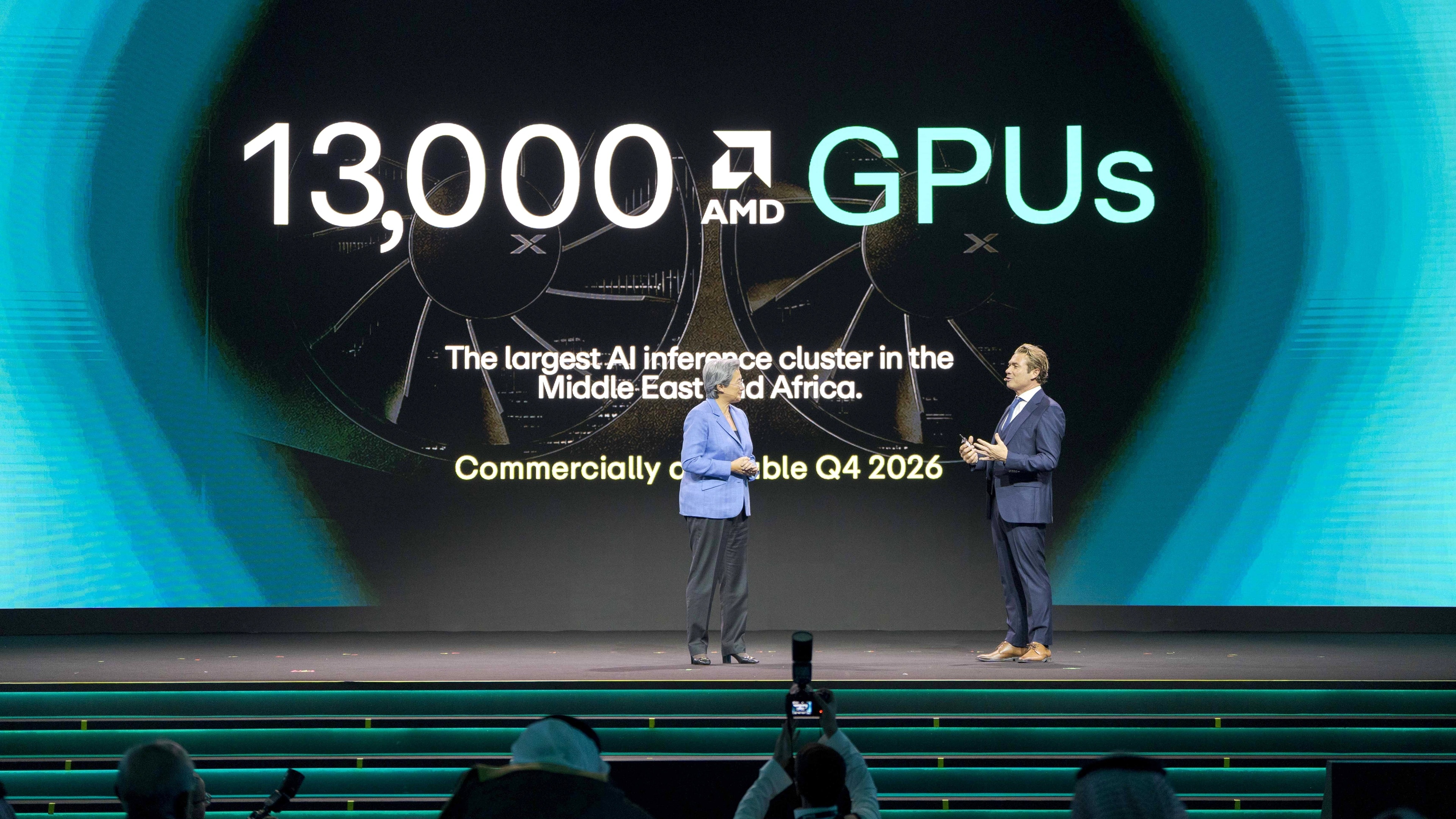
Workload consolidation takes virtualization a step further. By analyzing which applications can share resources without contention, operators can pack more work onto each node. Modern processors like the AMD EPYC family offer high core counts and memory bandwidth that make consolidation practical even for demanding jobs. I have worked with teams that consolidated fifty legacy servers into two or three modern ones, slashing their power bill and simplifying management at the same time. The key is knowing your workloads and how they behave under load — something that data center infrastructure management tools can help track.
The Role of Hardware and Dynamic Frequency Scaling
Hardware choices matter deeply. Processors with higher efficiency per clock, better memory controllers, and support for dynamic frequency scaling can adjust their speed based on demand. When a server is idle, it can drop to a lower power state almost instantly. When a burst of work arrives, it ramps up. This fine-grained control prevents wasted energy during quiet periods. Graphics processing units have similar capabilities now, with clock gating and voltage scaling that let them sip power when not actively computing.
I remember a project where we replaced older CPUs with AMD EPYC processors in a cluster running mixed enterprise applications. The performance gain was noticeable, but the bigger win was the reduction in energy consumption. The newer chips completed the same batch jobs faster and then dropped into low-power states sooner. Over a year, that facility saved enough on electricity to justify the hardware upgrade purely from operational savings. That kind of real-world return is what makes investing in efficient hardware an easy decision for CFOs.
Renewable Energy and Carbon Footprint
Beyond the IT equipment, data center efficiency also depends on where the electricity comes from. Many operators now pair their facilities with renewable energy sources like solar or wind farms. Some buy renewable energy credits, others sign power purchase agreements directly with generators. The goal is to reduce the carbon footprint of the data center, which matters for corporate sustainability targets and for regulatory compliance in some regions.

But renewables introduce their own challenges. Solar and wind are intermittent, so data centers need a reliable uninterruptible power supply and backup generators to cover gaps. Battery storage systems are improving, but they add cost and complexity. The most efficient data centers combine on-site renewables with grid power and intelligent load shifting — running batch jobs when solar output is high, for instance. This takes coordination between the facility team and the IT operations team, which is why strong communication across those groups is essential.
Edge Computing and the Open Compute Project
Not all data centers look like the massive warehouses run by the big cloud providers. Edge computing puts smaller facilities closer to users, reducing latency for applications like autonomous vehicles, industrial IoT, and real-time analytics. These edge sites often have tight space and power constraints. They cannot afford inefficient cooling or oversized power systems. So the principles of data center efficiency apply even more urgently at the edge. Every watt counts when you are running a micro data center in a remote cell tower enclosure or a factory floor.
The Open Compute Project has been instrumental in driving efficiency standards. Founded by Facebook, OCP publishes open hardware designs for servers, racks, and power distribution that anyone can adopt. These designs strip away unnecessary components, optimize airflow, and standardize connectors to reduce waste. Many hyperscale data centers now use OCP-compliant gear, and the ecosystem has spread to enterprise and colocation facilities as well. It is a community effort to share best practices and avoid reinventing the wheel for every new build.
Making Trade-offs Wisely
Improving data center efficiency is not a matter of picking one silver bullet. It requires balancing multiple factors: upfront capital against ongoing operating costs, performance against power draw, redundancy against simplicity. For example, running servers at higher temperatures saves cooling energy but may reduce component lifespan. Using liquid cooling lowers fan power but adds plumbing and leak risk. Virtualization improves utilization but can create noisy-neighbor problems where one workload starves others.

The best approach is to measure everything. Data center infrastructure management software tracks power usage, temperature, airflow, and server utilization in real time. With that data, operators can identify the biggest inefficiencies and prioritize fixes. They can also model what-if scenarios before spending money on new hardware or redesigning the floor layout. I have seen facilities drop their PUE from 1.6 to 1.2 over two years simply by tightening up airflow management, adjusting set points, and replacing the oldest servers.
Looking Ahead
The demand for compute is not slowing down. Machine learning workloads alone are doubling every few months in some organizations. Hyperscale data centers continue to expand, and edge nodes multiply. Without deliberate attention to data center efficiency, the energy cost and environmental impact will become unsustainable. But the tools and techniques exist to keep growth under control. From liquid cooling to server virtualization to renewable energy partnerships, the industry has a clear path forward.
What matters is execution. Teams that invest in monitoring, adopt open standards, and stay current with hardware advances will see real returns. The companies that ignore efficiency will find themselves with ballooning electric bills and angry stakeholders. In a world where every kilowatt-hour counts, making data centers smarter is not just a technical challenge — it is a business necessity.
