Why Can’t I Fall Asleep in a Hotel Room at a Reasonable Hour?
If you have spent as much time as I have sitting in a jumpseat or a middle-row economy nightmare, you know the specific, localized torture of "hotel insomnia." You check into a luxury property at 10:00 PM, the bed has 800-thread-count sheets, and the room is pitch black. Yet, your brain—the same one that just handled three gate changes and a chaotic boarding process—decides that 2:00 AM is the perfect time to audit your life choices.
After a decade of red-eyes, delayed flights, and more nights in Marriott hallways than I care to admit, I have stopped treating sleep as a luxury and started treating it as an operations problem. The reality is that your body isn't just "not tired"—it is experiencing a physiological response to a new environment, a compromised nervous system, and systemic dehydration. Let’s break down why your sleep cues are missing and how you can actually fix them without relying on those useless 10mg melatonin gummies that do nothing but give you vivid, terrifying dreams.
The Science of "New Environment Sleep"
The scientific term for the struggle you are facing is the "First-Night Effect." Research published by the NIH / NCBI (PubMed Central) has long documented that during the first night in a new location, one hemisphere of the brain remains more alert than the other. Evolutionarily, this was a survival mechanism—your brain is essentially acting as a night watchman, hyper-vigilant for threats in an unfamiliar environment. In a hotel, that translates to you waking up at the slightest sound of an ice machine or the chime of an elevator.
When you are traveling, your nervous system is trapped in a state of sympathetic dominance. You’ve been rushing, scanning for departure boards, and managing the adrenaline of the airport. When you finally hit the hotel bed, your body hasn't shifted into the parasympathetic (rest and digest) state. You cannot simply command your nervous system to "shut off." You have to manufacture the cues that your brain is currently missing.
The Hydration Rant: Why "Drink More Water" is Garbage Advice
If one more flight attendant or travel blogger tells me to just "stay hydrated," I am going to lose it. The issue isn't the volume of water; it’s the humidity levels. Cabin air in a modern aircraft operates at roughly 10% to 20% humidity—drier than the Sahara Desert. This level of environmental dehydration forces your body to work harder to maintain homeostasis, spiking your cortisol levels.
When you land and head to a hotel, you aren't just thirsty; your cellular fluid balance is off. Chugging three liters of tap water does nothing if you aren't replacing electrolytes. You need magnesium, potassium, and sodium to actually pull that water into your cells. Without them, you’re just forcing your kidneys to work overtime while you try to fall asleep.
The Melatonin Fallacy
I see it in every "travel hack" video: "Take 10mg of melatonin to knock yourself out." Please, stop. Melatonin is a signaling hormone, not a sedative. According to articles found in The Permanente Journal, the efficacy of melatonin is entirely dependent on timing—not quantity. Taking a megadose often leads to "melatonin hangover" and can actually interfere with your body’s natural circadian rhythm reset.
The goal isn't to force sleep; it’s to provide your brain with the right signal at the right time. Your sleep cues are missing because the hotel room is a blank slate. You have no darkness ritual, no scent association, and no consistent temperature regulation.
My Personal Toolkit: The "Zip Pouch" Protocol
I have a specific rule: I test everything on a short weekend trip before I ever trust it on a long-haul flight. Everything I use to regulate my sleep goes into one designated, TSA-compliant zip pouch. If it’s not in the pouch, it’s not coming with me.
Since I am constantly managing TSA liquid restrictions—reminding everyone for the thousandth time that your liquids must be in containers of 3.4 ounces (100ml) or less and fit into one quart-sized bag—I have become very picky about my tinctures.
Regulating the Nervous System with CBD
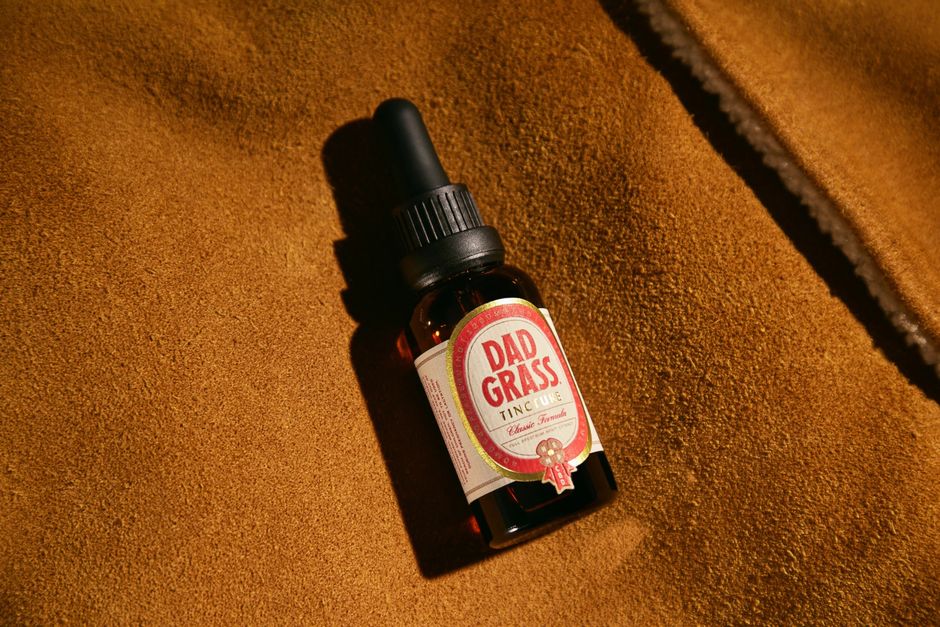
To move from "go-mode" to "sleep-mode," I rely on sublingual CBD oil. I stick with Joy Organics because, frankly, the industry is the Wild West. You have to be able to look at a third-party lab results / certificate of analysis (COA) to ensure you are actually getting what the label claims. If a brand doesn’t have a COA, leave it on the shelf. I use a dropper to place the oil under my tongue about 30 minutes before I want to be unconscious. It helps take the "edge" off zinc lozenges vs vitamin C for travel the nervous system, which is essential after a day of travel-related cortisol spikes.
Comparison: Home Sleep vs. Hotel Sleep
Factor Home Environment Hotel Environment Security Cues High (Known space) Low (First-night effect) Humidity Controlled/Steady Extremely Dry (HVAC influence) Circadian Signal Natural Rhythm Disrupted by travel/light Tools Used Routine Often forgotten items
5 Steps to Master Your Hotel Sleep
- The Electrolyte Reset: Don't just drink water. Use an electrolyte powder in the afternoon. It helps stabilize your blood volume after the dry air of the flight.
- The Sensory Anchor: Bring a small, travel-sized pillowcase from home or a specific linen spray. Your brain needs an olfactory cue to know it’s "safe" to sleep.
- The Sublingual Strategy: Use your CBD oil tincture 30 minutes before bed. Ensure your dropper is TSA-compliant (under 3.4oz/100ml) so it stays in your carry-on pouch. Check the COA before you travel to ensure potency and purity.
- Kill the Blue Light: Hotels are notorious for aggressive LED alarm clocks and standby lights on TVs. Use black electrical tape to cover every single light source in the room. If it glows, it’s keeping you awake.
- Temperature Discipline: Most hotels have thermostats that lock or revert to "eco" mode. Set it to 68°F (20°C) immediately upon entry. Your body needs a drop in core temperature to initiate deep sleep.
Final Thoughts for the Weary Traveler
If you find yourself staring at the ceiling of a Marriott or a boutique hotel at 3:00 AM, don't get frustrated. The "hotel insomnia" isn't a personality flaw; it is a biological reaction to a stressful, dehydrating, and confusing day of transit.
Stop overstuffing your carry-on with gear you won't use. Focus on the basics: regulate your hydration with electrolytes, provide your nervous system with a consistent signal (like high-quality, lab-tested CBD), and respect the power of total darkness. You aren't just "sleeping in a hotel"; you are managing an internal operation. Treat it as such, and you might actually wake up refreshed instead of reaching for a third cup of hotel lobby coffee.