What Should a Responsible Medical Cannabis Article Include in the UK?
If you are writing about medical cannabis in the UK, you are navigating a landscape defined by strict regulation, institutional caution, and a rapidly expanding private sector. As someone who spent nearly a decade in NHS administration, I have seen how quickly misinformation can complicate patient care. To write responsibly, you must strip away the hype and focus on clinical realities.
Responsible reporting does not promise "miracle cures." It explains legal frameworks, acknowledges the access gap between the NHS and private clinics, and guides patients through digital-first clinical journeys. Here is what your article must include to be considered credible.
The 2018 Legalization Facts: Clearing the Confusion
Many readers still believe that medical cannabis is widely available or fully decriminalized. Your article must start by clarifying the 2018 legalization facts. In November 2018, the UK government moved cannabis-based products for medicinal use (CBPMs) from Schedule 1 to Schedule 2 of the Misuse of Drugs Regulations.
This change allows specialist doctors on the General Medical Council (GMC) specialist register to prescribe cannabis products for specific conditions. It did not grant GPs the power to prescribe, nor did it create a broad "open-market" access model. If your article fails to state that this remains a "specialist-only" prescription pathway, you are misleading your readers.
Key Definitions for Your Readers
To maintain clarity, always define the scientific components of the plant:
- Cannabinoids: These are chemical compounds, such as THC and CBD, that interact with the body’s endocannabinoid system to influence pain, mood, and sleep.
- Terpenes: These are aromatic oils produced by the cannabis plant that contribute to its scent and work in tandem with cannabinoids to shape the overall therapeutic effect.
NHS vs. Private Context: The Access Gap
You cannot discuss UK medical cannabis without addressing the divide between the NHS and private providers. The NHS relies on guidance from the National Homepage Institute for Health and Care Excellence (NICE). Currently, NICE only recommends cannabis-based medicines for a handful of conditions, such as severe treatment-resistant epilepsy, multiple sclerosis-related spasticity, and chemotherapy-induced nausea.

Private clinics, however, operate under the same legal framework but use a different clinical threshold. They often prescribe for chronic pain, anxiety, and PTSD—conditions where the evidence base is still evolving. You must be clear about this: patients pay for private access because the NHS path is effectively closed to them for most non-standard conditions.
Feature NHS Access Private Clinic Access Prescribing Authority Specialists only (very narrow) Specialists (wider scope) Cost Covered by the NHS Patient-funded Waiting Times Often long Generally rapid (days) Evidence Basis Strict adherence to NICE Clinician-led clinical judgment
Telehealth and Digital-First Patient Journeys
Most private cannabis clinics now use a digital-first model. Your article should explain how telehealth steps function, as this is how the vast majority of patients engage with the service. Transparency here is essential for managing patient expectations.
The Telehealth Steps Explained
- Eligibility Screening: The patient completes an online form to verify they have a qualifying condition and have previously tried conventional treatments.
- Record Request: The patient must request their Summary Care Record (SCR) from their GP to prove their medical history.
- Video Consultations: A specialist doctor reviews the records via a secure video call to discuss the potential risks and benefits.
- Multi-Disciplinary Team (MDT) Review: The clinic's MDT reviews the case to ensure the prescription is safe and appropriate.
- Delivery: Once approved, the prescription is sent to a specialist pharmacy, which dispatches the medication directly to the patient's home.
The Patient Checklist: What They Need Before the Appointment
In my time managing clinical workflows, I noticed that patients often arrive at their first consultation unprepared. This leads to wasted time and unnecessary stress. If you are writing a guide, include a checklist of what a patient needs before the appointment to ensure a smooth administrative process.
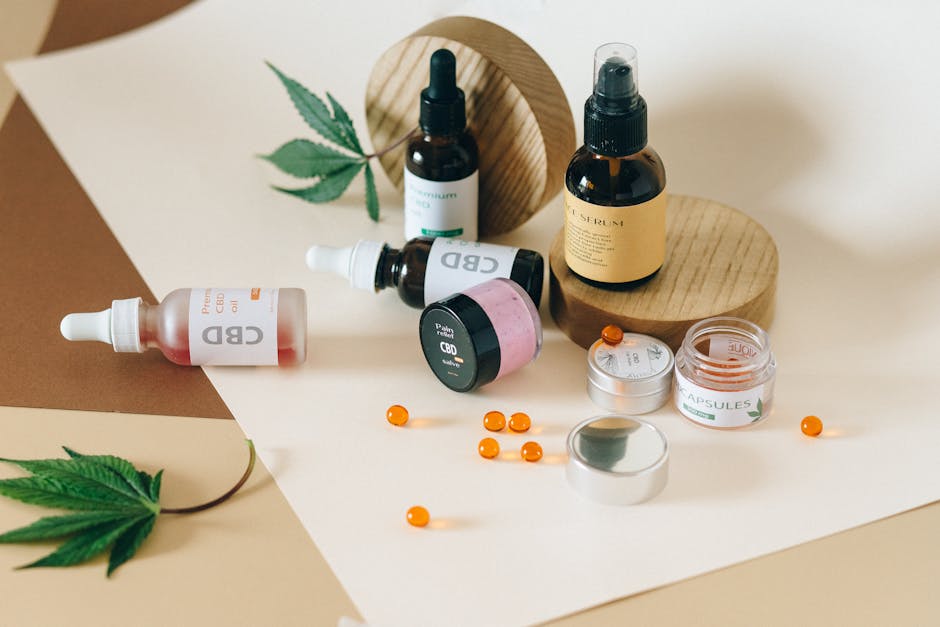
Patient Preparation Checklist
- GP Contact Details: Have the exact address and phone number of your current GP surgery ready.
- Detailed Medication History: A list of all conventional medications (past and present) used for your condition.
- Evidence of Treatment Failure: Documentation showing that you have tried at least two conventional treatments without success.
- Digital Literacy: Access to a stable internet connection and a device with a camera for the video consultation.
- Photo ID: A passport or driving license for age and identity verification.
Responsible Writing: Things to Avoid
When you sit down to draft your piece, be wary of the traps that lead to poor health reporting. If you find yourself slipping into these habits, stop and rewrite the section.
1. Avoid Vague "Miracle" Language
Never describe cannabis as a "miracle cure" or "natural remedy" that replaces all pharmaceuticals. Medical cannabis is a complex, regulated medication with side effects and contraindications. Use terms like "adjunctive therapy" or "potential symptom management."
2. Eliminate Passive Voice
Passive voice obscures accountability. Instead of writing, "It was decided that the prescription would be sent," write, "The specialist reviewed the case and sent the prescription." Clearly identify who is doing what: the patient, the clinic, or the NHS.
3. Don't Overpromise
There is no guarantee that a patient will be accepted for https://highstylife.com/what-is-the-role-of-online-patient-onboarding-in-private-cannabis-clinics/ treatment. Even if they have a condition, the specialist may conclude that the risks outweigh the benefits. Frame your article around the *process* of seeking assessment, not the *outcome* of receiving a prescription.
Final Thoughts for the Healthcare Writer
Your role is to translate complex administrative and clinical realities into accessible information. By focusing on the 2018 legislative history, the reality medical cannabis for PTSD UK of the NHS versus private gap, and the practical realities of a digital-first patient journey, you help the reader navigate a confusing system.
Keep your language precise. Keep your structure logical. And above all, treat the patient’s time and the clinic’s responsibilities with the seriousness they deserve. When we move away from hype and toward clinical process, we stop being marketers and start being advocates for informed patient care.
