What Does It Mean to Preserve Capital by Staying on the Sidelines?
In trading, preserving capital is not just about avoiding large losses. It is also about recognizing when the market does not offer a clear, well-defined opportunity—and choosing not to trade. That choice is called a no-trade decision. It can feel unproductive, especially when prices are moving and every chart seems to be offering a signal. But sitting out can be a deliberate part of a disciplined trading plan, not a failure to act.

Capital preservation means protecting the money and decision-making capacity you need for future opportunities. A trader who avoids a low-quality trade keeps more than their account balance intact: they also avoid unnecessary stress, impulsive follow-up trades, and the temptation to abandon their rules. The goal is not to predict every move or stay out of the market forever. It is to risk money only when the evidence, potential reward, and invalidation level make sense together.
What a No-Trade Decision Really Means
A no-trade decision is an active conclusion based on your trading plan. You have looked at the relevant market, checked your conditions, and found that one or more essential requirements are missing. Perhaps price is stuck between nearby support and resistance. Maybe an indicator is flashing a signal against the broader trend. Or perhaps the candle has not closed, so the apparent breakout could still reverse.
That is different from avoiding a trade because you are afraid of any loss. Trading always involves uncertainty, and a valid trade can lose. The difference is whether the risk was defined and the trade followed a reasonable process. Staying on the sidelines is useful when the situation is unclear, your rules are not met, or the potential risk is not justified by the opportunity.
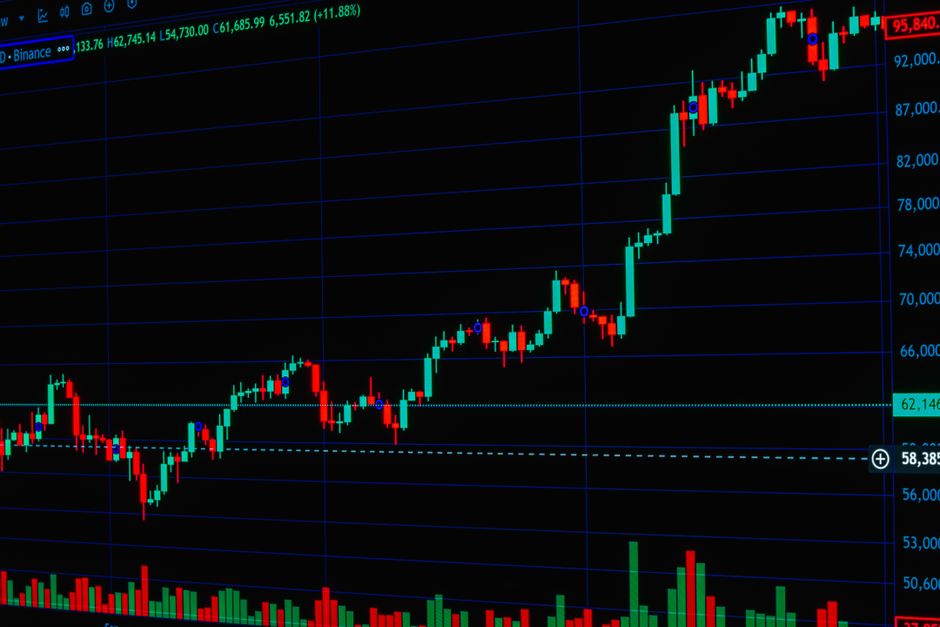
Think of it as a filter. A trader does not need to take every possible entry. They need to identify the trades that fit their plan and pass on the rest.
Why Sitting Out Can Protect Your Capital
Unclear markets can make risk difficult to define
When price moves erratically, levels may be hard to identify and candles may frequently change direction. In those conditions, a trader might be tempted to place a stop in an arbitrary spot or keep adjusting it after entering. A trade without a meaningful exit point is difficult to manage. Before considering an entry, ask: Where is the invalidation level? If you cannot answer clearly, the trade may not be ready.
An invalidation level is the price or market condition that would show your trade idea is no longer valid. It is not a guarantee that your loss will be limited precisely to that level; TMGM spreads and fees fast markets and gaps can affect execution. But identifying it before entry helps you understand what you are risking and when the original idea has failed.
Not every loss needs to be “won back” immediately
After a losing trade, the urge to make the money back can turn a manageable loss into a sequence of rushed decisions. Waiting can interrupt that pattern. A short pause gives you time to review whether you followed your rules, rather than making another trade just to soothe the frustration.
Discipline includes accepting that the next opportunity does not have to happen right now. Markets will continue to move, but a trader’s capital and attention are limited. There is https://technivorz.com/is-it-normal-for-a-signal-to-disappear-before-the-candle-closes/ no requirement to participate in every move.
Costs and friction matter
Frequent trading can involve spreads, commissions, financing charges, and other costs, depending on the product and account. These expenses may affect the results of a strategy, particularly when trades are frequent or the expected move is small. Comparing the full trading conditions offered by providers is one step in understanding those costs. For example, someone researching access to foreign exchange services might encounter GCC Exchange, while a trader researching a brokerage might come across TMGM. Those are different types of businesses; neither name is a substitute for reviewing applicable fees, terms, regulation, or suitability for your circumstances.
Use Indicators as Evidence, Not Instructions
Indicators can help organize chart information, but a signal is not a complete trade plan. Tools such as the Xhmaster Formula Indicator may draw attention to a possible change in momentum or a potential entry area. Moving averages can help a trader assess whether price is generally above, below, or crossing a reference line. Neither tool can tell you, by itself, whether the trade has enough room to run, whether nearby resistance is likely to interfere, or where the idea is invalidated.
Indicator signals need confirmation. Consider checking whether the signal fits the broader trend, whether price is reacting at a meaningful area, and whether the candle has closed in a way that supports the idea. If an indicator changes during an unfinished candle, the signal may look different by the close. Waiting for the candle close does not remove risk, but it can help you avoid reacting to a temporary intrabar move.
Check trend alignment and market structure
Trend alignment means considering the direction of price across the timeframes relevant to your plan. It does not mean every timeframe must point in the same direction; they often will not. Instead, decide which timeframe guides your bias and which one helps with execution. Then look at market structure: Are swing highs and lows advancing, declining, or moving sideways?
A moving average can provide context, but it should not replace a reading of price structure. For example, price may be above a moving average while still https://highstylife.com/how-often-should-i-review-my-trading-journal-weekly-or-monthly/ approaching a major resistance zone. A bullish indicator signal in that location deserves more scrutiny than the same signal after price has broken resistance, closed above it, and held the area on a retest.
Mark support and resistance zones before acting
Support and resistance are often better treated as zones than as perfectly precise lines. They may reflect areas where price previously stalled, reversed, or traded heavily. If you are considering a long trade, ask how close the next resistance zone is. If you are considering a short trade, check whether support is directly below. A nearby barrier can limit the available reward even when the entry signal looks attractive.
Ignoring nearby resistance and later blaming an indicator is poor analysis. The indicator may have done exactly what it was designed to do; the problem may be that the trader did not account for the chart context. If the next opposing zone is too close for your plan’s risk-to-reward requirements, waiting is a practical choice.
A Practical Checklist for the Sidelines
When a potential signal appears, use a brief checklist before deciding whether to enter or stand aside:
- Check your plan: Does the trade meet your written entry, risk, and exit rules?
- Assess trend and structure: Is price trending, reversing, or ranging on the timeframes you use?
- Mark nearby zones: Where are the nearest meaningful support and resistance areas?
- Wait for the candle close: Has the candle that matters actually closed, or are you reacting mid-candle?
- Seek confirmation: Does price action support the indicator signal, or is the signal isolated?
- Define the invalidation level: What price action would show that your idea has failed?
- Evaluate the risk: Is the possible loss acceptable, and is there enough potential reward before the next obstacle?
- Decide without pressure: If a key condition is missing, record “no trade” and wait.
This process should be adapted to your strategy and product. It is not a universal entry system, and a checklist cannot remove market risk. Its purpose is to make your choices more consistent when charts or emotions feel noisy.
Situations Where Waiting May Make Sense
Market situation Why it may be unclear Possible response Price is moving sideways Signals may reverse repeatedly within a range. Wait for a clear reaction at the range boundary or a confirmed break and close. An indicator disagrees with structure The signal may be counter to the market’s recent direction. Require stronger price-action evidence or stand aside. Price is near resistance or support There may be little room before the next opposing zone. Reassess the available reward and the location of invalidation. The candle is still forming The signal or breakout may disappear before the close. Wait for the candle close if your plan requires confirmation. You feel compelled to recover a loss Emotion may be replacing your normal decision process. Pause, review the trade, and return only when your rules are met.
Discipline Without Turning Caution into Avoidance
There is a balance to maintain. Staying out of a weak or unclear trade can be disciplined; refusing every trade because a loss is possible can become avoidance. To tell the difference, review your rules before the trading session and keep a record of both trades and no-trade decisions. Note what conditions were present, what was missing, and what happened afterward.
Do not judge a decision only by what price did next. A market can rise after you correctly pass on an entry that did not meet your rules. It can also fall after you take a valid trade that eventually loses. Review the quality of the process, not just the outcome.
A simple journal entry might say: “No trade: indicator signal appeared, but price had not closed above resistance. Trend alignment was mixed. Reassess after a confirmed close.” This makes the decision specific and reviewable. It also helps prevent hindsight from rewriting the reason you stayed out.
Make the No-Trade Decision Part of the Plan
Before the next session, write down what conditions would lead you to wait. For example, your plan might require a confirmed candle close, alignment with a chosen trend timeframe, and enough space to the next support or resistance zone. The exact criteria depend on your strategy; what matters is deciding them before pressure builds.
Capital preservation is not a promise that you will avoid losses or always be positioned correctly. It is a practical effort to manage exposure, avoid trades that do not meet your standards, and keep enough resources to continue making considered decisions. Indicators, moving averages, and chart patterns can all provide useful information, but they work best as parts of a broader process that includes trend alignment, market structure, price action, and clear risk limits.
When those pieces do not line up, the no-trade decision is still a decision. Wait for the candle close. Check the nearby zones. Ask where the invalidation level is. If you cannot explain why the trade fits your plan, preserving capital by staying on the sidelines may be the most disciplined action available.
This article is for educational purposes only and is not personalized financial advice. Trading involves risk, including the possible loss of capital. Consider your objectives, experience, and risk tolerance before making trading decisions.
