What Does Broker Clearance and Landing Cost Cover on an Import?
Importing a 4x4 into the United States is an exciting adventure—but one that’s fraught with paperwork, fees, and legal hoops that can trip up even seasoned hobbyists. After helping friends buy and inspect imported Toyota Land Cruisers and other rugged machines, I’ve learned that understanding what goes into broker clearance and landing costs can save you from nasty surprises. Especially with the legal landscape shifting in 2026, it’s critical to know how port fees, customs brokers, and USDA undercarriage cleaning factor into your overall budget.
Tip from the trenches: always read the firewall data plate, not just the online listing, to verify build dates and legal compliance.
Why Understanding Broker Clearance and Landing Cost Matters
Importing a vehicle is not just paying for the shipping and the asking price. Broker clearance and landing costs make up a significant chunk of what it takes to get a car legally on American soil—and that bucket includes import taxes, customs brokerage fees, inspection charges, and more. This often-overlooked category is what blows budgets up. Duty, taxes, and port fees can add thousands to your price, so it pays dividends to know exactly what these charges entail.
Breaking Down Broker Clearance and Landing Cost
- Customs Broker Fees: These are charges paid to a licensed customs broker who handles the paperwork, clearance, and communication with U.S. Customs and Border Protection (CBP). Without a broker, importing a vehicle is near impossible for non-importers.
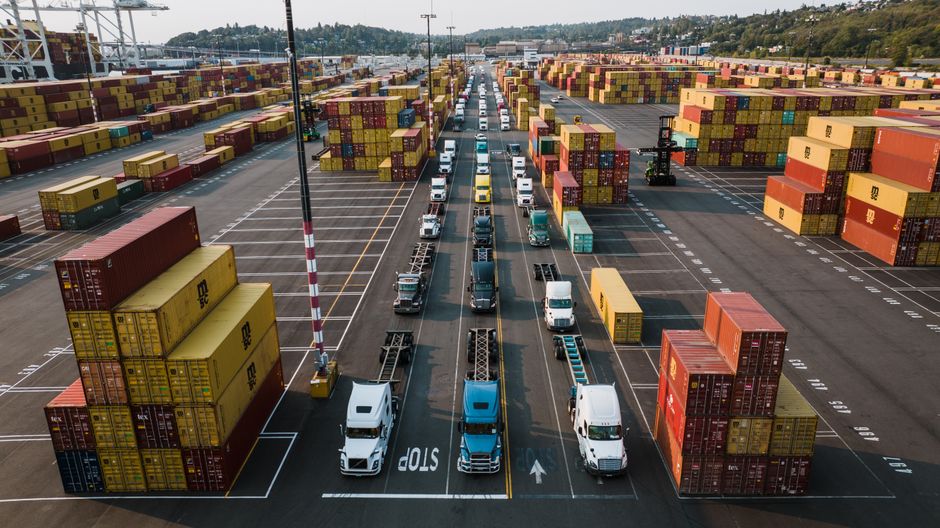
- Port Fees: When your vehicle arrives, ports charge handling, storage, and administrative fees. These vary wildly between ports, so research yours before committing.
- Import Duties: The duty is a tariff on the vehicle’s declared value, usually a percentage, and often the biggest budget-buster. Pay close attention because it’s what often blows budgets wide open.
- USDA Undercoating and Inspection: If you’re importing from outside continental US or territories, USDA might require undercarriage cleaning to prevent soil and pest contamination. This can involve fumigation or power washing inspected vehicles.
- EPA and DOT Compliance Fees: Some vehicles need modifications and certifications to meet EPA emissions and Department of Transportation safety standards—or qualify for exemptions.
Import Legality in 2026 and Build-Date Timing
One of the biggest headaches I see deals with model year versus build date confusion. Sellers often advertise a vehicle’s model year, but what really counts is the vehicle build date on the firewall data plate. This is crucial for compliance with EPA and DOT rules.
Come January 1, 2026, the U.S. import regulations will tighten, restricting vehicles less than 25 years old that don’t meet strict emissions and safety standards. This means:
- Vehicles built before January 1, 2001 (the 25-year cut-off) will continue importing under the classic exemption.
- For vehicles newer than that, strict EPA and DOT compliance or exemptions must be documented.
Reference companies like EV Builder's Guide for in-depth EPA exemption forms and guidance on imported electric vehicle conversions, which is an emerging niche. Similarly, Diesel World frequently covers the evolving emissions rules affecting turbodiesel imports.
DOT vs EPA: What Exemptions and Forms Are Required?
Wrapping your head around these acronyms and their different exemptions can be exhausting, so here’s the scoop:
Agency Focus Exemptions/Form Examples Applicant Responsibility DOT(Department of Transportation) Safety Standards (FMVSS)
- Show or Display Exemption (49 CFR 595.7)
- Registered Importer Certification
- CE Declaration Form
Document adherence to safety norms or prove exemption eligibility via registered importer or personal use exception. EPA
(Environmental Protection Agency) Emissions and Fuel Economy
- EPA 3520-1 Form (Declaration for import of vehicles)
- Import of vehicles older than 21 years may qualify for exemption
- Engage with recognised emissions modification programs if required
Submit appropriate EPA forms and, in some cases, conduct emissions testing or modifications.
To keep it straightforward: the DOT certifies safety compliance, while the EPA enforces emissions compliance. Missing or mistaken filings here will hold your vehicle in port and increase your broker fees.
Best 70 Series Land Cruiser Variants for U.S. Use
Not all Land Cruisers are born equal when it comes to U.S. import ease. From decades of scrutinizing 70 Series frames (and sniffing out rust patterns), here are my picks:
- 1985–1999 Model Range: These enjoy the coveted classic exemption, clearing both EPA and DOT with fewer hurdles. Look for models built before Jan 1, 2001.
- 1HZ Diesel Engine Variants: This naturally aspirated, mechanical fuel injection diesel engine is the epitome of simplicity. It’s bulletproof, easy to service, and not bound by turbo emissions complexity, making EPA concerns easier.
- Post-1999 Turbo Diesel Models: Turbo engines like the 1HD-FTE perform better in drivability and power but often trigger stricter EPA testing and higher brokerage fees due to emissions complexity.
- Original Japanese Domestic Market (JDM) Models with Import Documentation: These often come with better-known build dates and clearer documentation. Beware sellers who fudge conversion claims; aftermarket RHD-to-LHD conversions sold as “factory” are an irritant I routinely flag.
The 1HZ's mechanical injection means fewer electronic controls to cause EPA headaches. https://dlf-ne.org/i-want-the-76-wagon-look-now-what-can-i-buy-instead/ For someone building a reliable, off-road cruiser—especially for long-haul overlanding—1HZ-equipped 70 Series are the sweet spot.
Engine Choice: 1HZ Simplicity vs Turbo Diesel Drivability
The eternal debate:
- 1HZ: Always mechanically injected, no turbocharger, low emissions complexity, extremely reliable. Good for those wanting a robust, fuss-free engine—even if power isn’t blistering.
- Turbo Diesel (1HD, 1HD-FTE): Offers better torque, power, and drivability—ideal on highways and hilly terrain. However, higher emissions complexity means you’ll pay more upfront in broker fees, EPA compliance, and possibly port-related inspection delays.
Diesel World has detailed articles discussing how turbo diesels’ emissions systems mean extra cost and scrutiny for importers. If you have the budget and want power, be prepared for added EPA paperwork and potentially longer broker clearance times.
Port Fees, Customs Broker Roles, and USDA Undercarriage Cleaning Explained
To bring your off-road dream machine stateside, anticipate these unavoidable costs:

- Port Fees: Upon arrival, the port authority charges handling fees that are mostly unavoidable. Costs vary depending on port size and efficiency—smaller ports typically charge less but might not have fast customs clearance.
- Customs Broker: Critical for handling all the paperwork submissions to CBP and ensuring your vehicle’s compliance checks pass. A skilled customs broker can anticipate snags and avoid nasty delays, but their service comes at a price. Recommend contacting brokers experienced in vehicle imports rather than general customs brokers.
- USDA Undercarriage Cleaning: If importing from Japan, Australia, or other soil-rich regions, the USDA may require your vehicle’s undercarriage to be cleaned—sometimes fumigated—to prevent invasive species. This inspection usually happens before or shortly after port arrival and adds both time and cost.
Another note: Blurry or evasive undercarriage photos in listings are a red flag. I’ve seen sellers try to hide rust or damage under fresh undercoating more times than you’d believe. If you’re serious, insist on crisp, detailed undercarriage images—or better yet, arrange an independent inspection.
Additional Resources from Industry Leaders
For authoritative advice on import procedures and legal compliance, check out these top-tier resources:
- Motortopia: A fantastic hub for off-road enthusiasts, regularly covering international shipping nuances and vehicle inspections tips.
- EV Builder's Guide: Especially useful if you’re considering importing electric or hybrid conversions and need that EPA paperwork down pat.
- Diesel World: Their insights into diesel engines and emissions changes can help you navigate EPA complexities for turbo diesels.
Final Takeaways
Import broker clearance and landing costs wrap up a slew of hidden fees beyond just the sticker price of https://dlf-ne.org/can-i-register-a-25-year-diesel-import-in-california/ your dream truck. Duty is the big budget-buster here, so plan accordingly. Understanding how the 2026 legislation impacts import legality and properly aligning your build date from the firewall data plate—not just the model year—removes guesswork.
Choosing a Land Cruiser’s variant and engine wisely can save hassles during import inspections. The straightforward, mechanical 1HZ diesel remains a golden option if you want simpler paperwork and reliability, but be ready to pay more if chasing turbo diesel turbo-drama.
Finally, don’t let blurry undercarriage photos fool you. Rust hidden beneath shiny new undercoating can quickly eat away your investment and trust me, I’ve crawled under enough frames to know the smell and feel of structural rot.
As always, work closely with experienced customs brokers and lean on trusted resources like Motortopia, EV Builder's Guide, and Diesel World to keep you informed and prepared—for import success free of surprises.
