What Does “Movement Inspection” Mean When Authenticating a Rolex?
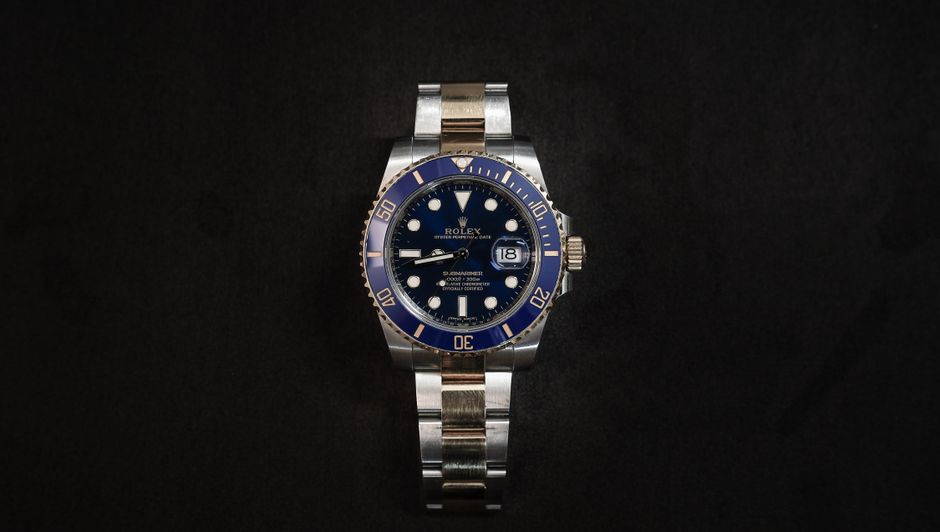
A “movement inspection” is the examination of the mechanism inside a watch to help determine whether it is consistent with the Rolex model being evaluated and whether its parts appear genuine. The movement is the watch’s engine: it stores and releases energy to keep time and power functions such as the date or chronograph.
For a pre-owned Rolex, looking at the dial, bracelet and case is not enough. Those exterior parts can be replaced, refinished or copied. A qualified watch specialist may need to open the case and inspect the movement, its markings and its condition. That is one important authentication step—not an automatic guarantee that every component is original or that Rolex will service the watch.
This distinction matters beyond collecting. Some business owners consider using a valuable watch as collateral when a cash-flow gap appears between paying expenses and receiving customer payments. Before relying on that option, they need to understand both what an inspection can establish and how a collateral loan works. A watch’s resale appeal may help, but it does not make financing risk-free or cost-free.
What a movement inspection involves
A specialist typically opens the case using appropriate tools, examines the movement and compares what they find with the expected characteristics of the specific reference and production period. Depending on the model and inspection scope, that may include reviewing the caliber, markings, finishing, components and signs of alteration or repair.
The specialist may also compare the watch’s movement with its exterior details and available documentation. A movement that looks plausible on its own does not settle every question about the watch. The case, dial, hands, bracelet and other parts need their own evaluation, and the watch’s history may be incomplete.
What the specialist is trying to establish
- Whether the movement is consistent with the model: The caliber should make sense for the watch’s reference and era. A mismatch calls for further investigation.
- Whether the parts appear genuine: The specialist looks for signs that components are consistent with the expected movement and for possible aftermarket, counterfeit or substituted parts. “Confirm genuine parts” is a useful goal, but the conclusion should reflect the limits of the inspection.
- Whether the watch has been modified or repaired: Service work may involve replacement parts. A replaced component does not automatically mean the watch is fake, but it can affect originality, serviceability and value.
- Whether the movement shows condition concerns: Corrosion, damage, poor-quality repairs or wear may affect performance and the cost of ownership.
What it means for payroll: A movement inspection is like checking the engine before counting on a vehicle’s resale value—it can reveal risks that change how much cash you can prudently expect to access.
Why “genuine” is not the same as “all original”
People often use “authentic” as if it answered every question about a watch. In practice, a specialist’s findings can be more nuanced. The movement might be genuine while the dial has been replaced. The watch may contain genuine replacement parts but no longer be entirely original to its production configuration. Or the watch may have a mix of components that requires additional research.
That is why buyers and lenders should ask what the inspection actually covered. Did the specialist open the case and examine the movement? Did they inspect the exterior and compare the parts with the model? Did they assess condition, or only identity? Is the opinion written, and does it list limitations?
Inspection is also different from a manufacturer’s service decision. A qualified independent specialist can provide an informed assessment, but should not imply that Rolex has authenticated or approved a watch unless Rolex itself has done so through an applicable service process. A watch can be genuine and still need repair, or have features that affect whether a particular service provider will accept it.
How to arrange an authentication step
- Identify the exact watch. Gather the reference, serial information where available, purchase records, service records and box or papers. Documents can help establish history, but they do not by themselves prove that the watch and its components are genuine.
- Choose a qualified specialist. Look for relevant watchmaking or authentication experience, appropriate equipment, clear written terms and a willingness to explain the scope. Ask how the specialist handles opening and resealing the case.
- Agree on the inspection scope. Request an assessment of the movement and, if needed, the case, dial, hands, bracelet and other components. Ask whether the report will distinguish genuine replacement parts from parts believed to be original to the watch.
- Get the findings in writing. A useful report describes what the specialist inspected, what they observed and what they could not determine. Avoid treating a brief verbal opinion as a complete provenance report.
- Ask about the next step. If the specialist finds a mismatch, request an explanation before buying, selling or pledging the watch. A second opinion may be worthwhile when the value or financing decision depends on the result.
Opening a watch is not a casual task. A specialist should use suitable tools and take care with the case and seals. If water resistance matters, ask whether the inspection includes resealing and pressure testing; do not assume that opening and closing the case preserves its prior water resistance.
Rolex liquidity: useful, but not guaranteed cash
Rolex watches have active secondary-market demand, and publicly tracked pricing data can help owners see how asking prices and reported transaction levels vary by model and period. Those resources are useful for context. They are not a promise that a specific watch will sell for a particular amount—or sell quickly.
Liquidity depends on more than the name on the dial. Reference, condition, originality, service history, completeness, buyer demand and the sale channel all matter. A watch with an uncertain movement history or non-original components may attract a smaller buyer pool or require a price adjustment. Selling through a dealer, auction, marketplace or private buyer can also change the net proceeds, timing and risks.
Use public secondary-market data as a comparison tool, not a valuation certificate. Check whether the data reflects completed transactions or asking prices, how recent it is, and whether the examples match the watch in question. A lender will usually make its own assessment and may use a conservative collateral value rather than a public listing price.
What it means for payroll: A strong resale market may give you another source of cash, but it does not tell you the exact amount or date the money will land in your business account.
How collateral-based lending works
In a collateral-based loan, the borrower pledges an asset to support repayment. With a Rolex, the lender typically verifies the watch, evaluates its condition and resale prospects, and sets an advance amount based on its own policy. The lender may retain the watch while the loan remains outstanding. If the borrower does not repay under the agreement, the lender may have rights to sell the collateral, subject to the contract and applicable law.
Collateral means property the lender can claim or sell if the borrower fails to meet the loan terms. Loan-to-value compares the loan amount with the lender’s assessed value of the pledged watch. What it means for payroll: The lender may advance only a portion of its estimated value, so you should not budget as if you can borrow the watch’s full resale price.
Before signing, ask who will authenticate and value the watch, whether the lender’s inspection is independent, how it handles disputed findings, and where it will store the watch. Get the loan amount, fees, interest, repayment date, renewal terms, late charges and default consequences in writing. Ask whether you can repay early and whether any charges still apply.
Do not skip the personal-guarantee question
A loan secured by a watch may still require a personal guarantee. That is a separate promise by an individual to repay if the business does not. Ask directly: “Does this agreement require a personal guarantee, and what personal assets could be at risk?” Also confirm whether the borrower is you personally or your company, and whether the lender can pursue you beyond the pledged watch.
Do not assume that “asset-backed” means the lender can only take the asset. The documents control. If the guarantee, https://www.chandlernews.com/contributor_content/liquidity-on-the-wrist-how-arizona-business-owners-use-a-rolex-as-short-term-collateral/article_7379e944-bbd3-4ca6-9e20-1cfee9c8557f.html default language or collateral-release terms are unclear, get qualified legal advice before pledging a personal asset.
Financing a small-business cash-flow gap
In Mesa, Scottsdale and Tempe, an owner-operator might face a timing problem rather than a long-term loss: payroll is due Friday, a customer’s invoice is due later, or a seasonal purchase must be made before sales come in. A short-term collateral loan can sometimes bridge that gap, but it is only one option. Compare it with a business line of credit, invoice financing, a bank loan or a direct sale of the watch.
Option Potential advantage Tradeoff to check Collateral-based watch loan May fit a short, defined need when the owner has a valuable eligible asset. Fees and interest can be high; the lender may hold the watch, and default may put it at risk. Bank line of credit Can provide reusable working capital once approved. Application, underwriting and documentation may take longer; approval and terms depend on credit and cash flow. Invoice financing May connect funding to outstanding customer invoices. Cost, customer-payment rules and recourse obligations vary by provider. Sell the watch Can avoid loan repayment and interest if the sale closes. Sale timing and net proceeds are uncertain, and you give up ownership.
What it means for payroll: The right option is the one that puts enough usable cash in the account before payroll, at a total cost the business can repay without creating next month’s shortfall.
Speed versus cost: ask for a real timeline
Some collateral lenders can complete an evaluation and funding process more quickly than a bank can underwrite a conventional business loan, but no generic “fast approval” claim tells you when money will be available. Timing depends on the lender, the watch, the inspection, required documents, payment method and any compliance checks.
Ask the lender to put specific milestones in writing: when it will inspect the watch, when it expects to make a decision, what must happen before funding, and when funds will reach your account. If the lender cannot provide a dependable estimate, do not make a payroll commitment based on an assumed deposit date.
Compare the total cost over the period you expect to borrow, not just a headline rate. Include origination, storage, appraisal, late and renewal fees where applicable. If a loan lasts only a few weeks, fixed fees can make its effective cost materially different from what a simple interest figure suggests. Have the lender show the payoff amount for your expected repayment date.
A practical decision checklist
- Have a qualified specialist inspect the movement and clarify whether the opinion covers other components.
- Use public secondary-market pricing data as context, and compare like-for-like watches and completed sales where available.
- Ask the lender how it values the watch and what happens if its inspection finds replacement or questionable parts.
- Get the full repayment amount, fees, funding timeline and collateral terms in writing.
- Ask explicitly whether the agreement includes a personal guarantee.
- Match the borrowing term to a credible cash-in date, and identify a backup repayment source if that payment arrives late.
The bottom line
A movement inspection means a qualified specialist examines the mechanism inside a Rolex to assess whether it fits the model and whether its parts appear genuine and in acceptable condition. It is a valuable authentication step, but it does not automatically establish that every part is original, guarantee a future sale price or replace a lender’s own appraisal.
For a small business facing a cash-flow timing gap, a Rolex may offer a route to collateral-based financing, but the owner should compare the speed, total cost, repayment plan and risk of losing the watch with other funding choices. Verify the watch, verify the agreement, and confirm exactly when the money will be available before counting on it for payroll.
