Understanding Kitchen Fire Safety Codes: A Pro's Guide to NFPA 96 Compliance
Walk into any busy commercial kitchen and you will hear the clatter of pans, the hiss of steam, and the hum of exhaust hoods. But what you rarely see is the hidden network of exhaust ducts, fans, and filters that work around the clock to keep the air breathable and the building safe. That system is the frontline defense against a grease fire, and its maintenance is governed by a set of rules that every restaurant owner, chef, and facility manager needs to know.
The foundation of those rules is NFPA 96, the standard for fire-safe operation of commercial kitchen exhaust systems. These aren't just suggestions on a checklist. They are the backbone of kitchen fire safety codes, and they apply to everything from a small food truck to a high-volume steakhouse. Ignoring them can mean failed inspections, hefty fines, or worse, a catastrophic fire that could have been prevented.
The Bare Metal Standard and What It Really Means
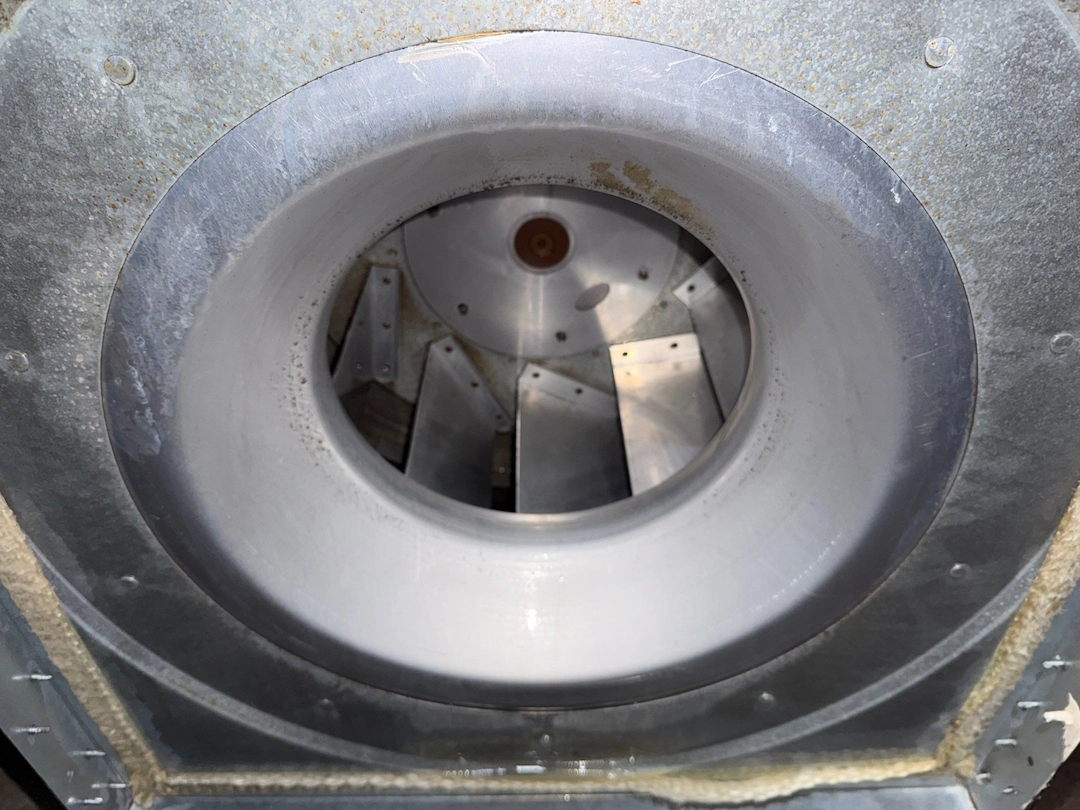
One of the most misunderstood concepts in commercial kitchen maintenance is the Bare Metal Standard. This phrase comes directly from NFPA 96, and it means exactly what it sounds like: after a thorough cleaning, the interior surfaces of the exhaust system should be visible as bare metal, with no visible grease buildup, no residue, and no accumulated grime. This applies to hoods, exhaust ducts, kitchen exhaust fans, and even the interior of the fire suppression system's piping where it connects to the hood.
I have seen kitchens where the exhaust ducts looked clean from the outside but, once the access panels were removed, revealed thick layers of hardened exhaust grease that had been baking for months. That is a fire waiting to happen. The Bare Metal Standard is not about aesthetics; it is about eliminating fuel for a fire. Grease buildup is highly flammable, and when a cooking fire ignites, that grease can turn a small flare-up into an inferno within seconds.

How Kitchen Fire Safety Codes Shape Daily Operations
Compliance with kitchen fire safety codes is not a one-time event. It is an ongoing practice that touches every part of the kitchen's operation. For example, the cleaning frequency required by NFPA 96 depends on the type of cooking and the volume of grease produced. A charbroiler that runs twelve hours a day will need more frequent hood cleaning than a bakery that mostly uses ovens. Most codes require monthly cleaning for high-volume cooking, quarterly for moderate, and semi-annually for low-volume. But the real schedule should be determined by an honest assessment of your own equipment, not just a calendar.
I once worked with a pizzeria that thought it could stretch its cleaning to twice a year because they only used a deck oven. But they also had a small fryer for appetizers and a gas range for sauce. The inspector found a thin layer of grease in the exhaust ducts just above the fryer, and the kitchen failed the fire inspection. That forced a costly emergency cleaning and a re-inspection fee. Had they followed the cleaning frequency guidelines for a mixed-use kitchen, they would have passed easily.
The Role of Fire Suppression Systems
No discussion of restaurant safety is complete without addressing the fire suppression system. This is the mechanical system mounted inside the hood that detects heat and automatically discharges a wet chemical agent to extinguish a fire on the cooking surface. The standard for these systems is UL 300, which sets the performance requirements for the chemical agents used. A hood fire extinguisher isn't a standalone device; it is part of a network that includes the detection nozzles, the piping, and the manual pull station.
But a suppression system is only as good as its maintenance. If the nozzles are clogged with grease or the piping has been damaged during a cleaning, the system may not deploy correctly. That is why kitchen fire safety codes require that the suppression system be inspected and serviced by a qualified professional every six months, and that the cleaning contractor coordinates with the suppression technician to avoid disturbing the system's integrity.
Ventilation Systems and the Hidden Danger of Exhaust Ducts
The exhaust ducts are the arteries of the ventilation system. They carry hot, greasy air from the hood to the roof, and over time, that grease condenses and sticks to the interior walls. If the ducts are not cleaned to the Bare Metal Standard, the grease layer can become thick enough to drip or even ignite from the heat of cooking below. I have seen ductwork where the grease was so hard it had to be chipped away with a scraper. That is not just a fire hazard; it is a sign that the cleaning frequency is far too low.

One thing many operators overlook is the condition of the honeycomb filters in the hood. These filters are designed to capture grease before it enters the exhaust ducts. When they become clogged, airflow drops, the hood works harder, and grease bypasses the filters entirely, building up in the ducts faster. Regular cleaning or replacement of honeycomb filters is a simple step that makes a huge difference in overall system performance.
Inspection, Certification, and the Human Factor
Every commercial kitchen should have a schedule for hood certification and interior cleaning that aligns with local fire codes and NFPA 96. A certified hood cleaning company will provide documentation of the cleaning, including before and after photos. These records are critical during a fire inspection. The inspector will want to see that the system has been cleaned to standard and that the suppression system has been serviced. Without that paper trail, even a clean kitchen can fail an inspection.
I have seen kitchens where the staff tried to clean the hoods themselves with degreaser and a mop. That might remove surface grease from the exterior, but it does nothing for the grease removal inside the ducts or the fans. Professional hood cleaning involves specialized tools, high-pressure water, and sometimes chemical agents that break down baked-on grease. It also requires knowledge of how to access every section of the exhaust system without damaging the fire suppression systems.
The best approach is to build a relationship with a qualified cleaning contractor who understands the specific requirements of your equipment and your local fire marshal. That contractor can help you set a realistic cleaning frequency and ensure that every part of the system, from the hood to the roof fan, meets the Bare Metal Standard.
Practical Steps for Staying Compliant
If you manage a commercial kitchen, here are a few practical steps to keep your operation in line with kitchen fire safety codes:
- Review the cleaning schedule with your hood cleaning provider at least once a year. Adjust it based on changes in menu, volume, or equipment.
- Keep a log of all cleaning dates, inspection reports, and suppression system service records. Store them in a binder that is easily accessible to the fire inspector.
- Train your kitchen staff to recognize signs of grease buildup in the hood and around the filters. If they see grease dripping, they should report it immediately.
- Coordinate with your suppression system technician and your cleaning contractor so that they work on the same schedule. Never let one service proceed without the other knowing.
- When in doubt, call for an early inspection. A proactive approach is always cheaper than a failed inspection and a shutdown.
Kitchen fire safety codes are not just a set of rules to follow; they are a framework that protects your staff, your customers, and your business. The cost of compliance is small compared to the cost of a fire. And the peace of mind that comes from knowing your exhaust system is truly clean is invaluable.
Ultimately, the goal is simple: keep the grease out of the exhaust ducts, keep the suppression system ready, and keep the fire where it belongs, inside the cooking equipment. Following the standards set by NFPA 96 and the Bare Metal Standard is the most reliable way to achieve that.
