The Non-Invasive Appeal of Fotona 4D Laser Facial (TimeWalker)
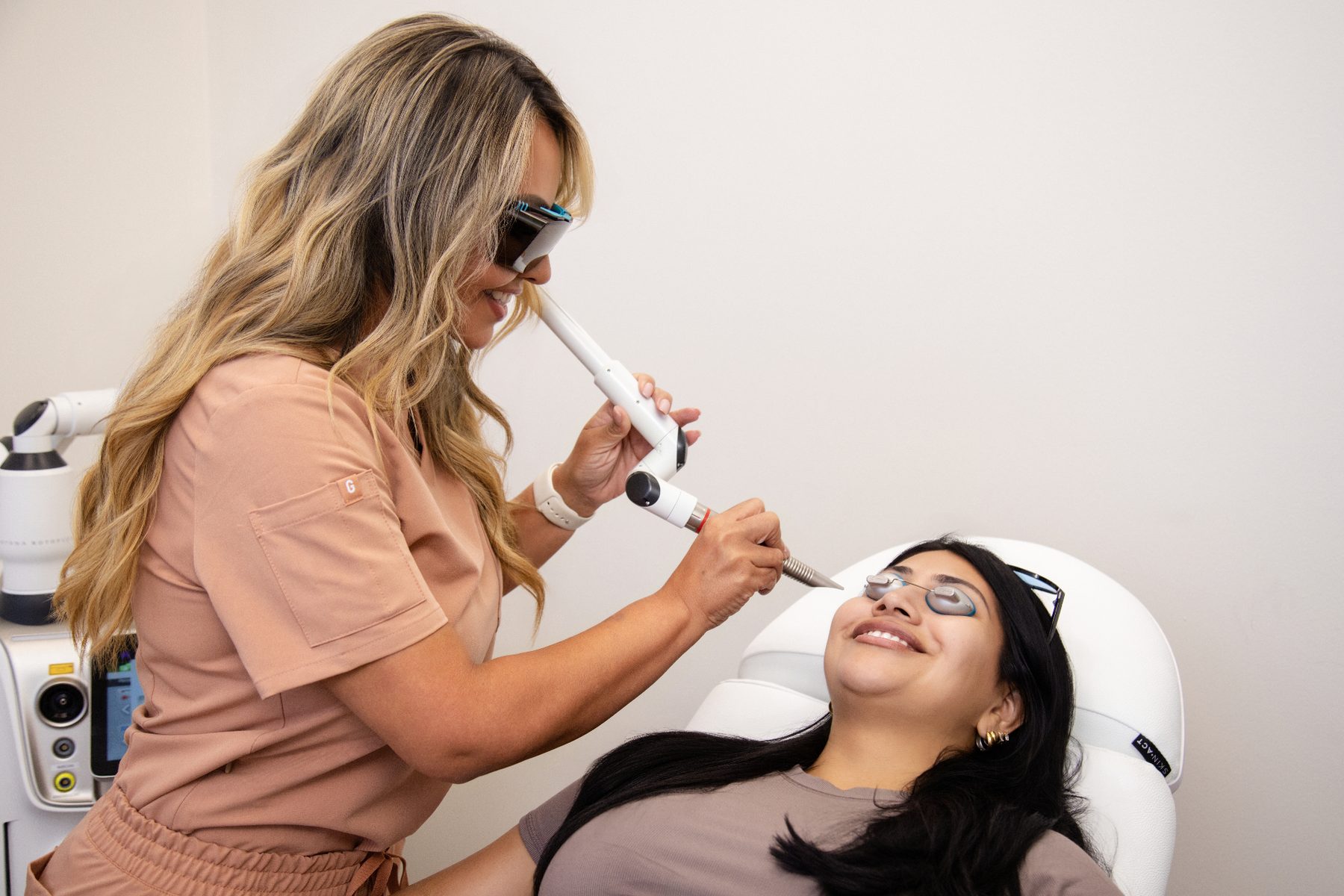
The appeal of any aesthetic treatment usually comes down to a simple question: how much visible improvement can someone get without stepping into surgery, extended downtime, or a treatment plan that overtakes their calendar? That question explains a good deal of the interest in the Fotona 4D Laser Facial (TimeWalker). It sits in a category many patients actively ask for now, meaningful skin rejuvenation that does not require incisions, general anesthesia, or weeks of recovery hidden behind sunglasses and social excuses.
What makes this treatment particularly interesting is that it does not rely on a single type of laser pass or one superficial effect. The idea behind Fotona 4D is layered remodeling. It addresses tissue from the inside of the mouth and the outside of the face, combining tightening, resurfacing, and collagen stimulation in a sequence designed to improve texture, mild laxity, and overall skin quality. In practice, that gives it a broader appeal than many devices that do one thing well but leave obvious gaps elsewhere.
For patients who are beginning to notice softening along the jawline, creasing around the mouth, dullness, enlarged pores, or a tired skin surface that makeup no longer smooths over, the treatment often hits a sweet spot. It offers more than a light “lunchtime facial” but asks much less of the patient than surgery or deep ablative resurfacing. That middle ground is where its non-invasive appeal really lives.
Why people are drawn to treatments like this
Most people are not walking into a clinic asking for a laser because they want a laser. They are asking for a fresher face, better skin tone, less crepiness around the mouth, or a firmer look that does not scream “work done.” They want colleagues to say they look well-rested, not altered. They want elasticity back where they see early loosening, especially in the lower face. They want fewer obvious pores around the nose and cheeks. They want to soften fine lines without taking on the social and physical cost of a more aggressive procedure.
That shift in patient priorities has been noticeable over the last several years. There is less appetite for dramatic changes and more interest in cumulative, believable improvement. Patients often bring in photos from five or seven years ago and say some version of, “I just want to look more like this again.” They are usually not asking for a new face. They are asking for restoration.
The Fotona 4D Laser Facial (TimeWalker) aligns neatly with that mindset. It works as a collagen-focused treatment rather than a volumizing shortcut. It does not fill, freeze, or cut. That distinction matters. Patients who have hesitated around injectables, or who already use injectables but want better skin architecture underneath, often see this as a more natural complement or entry point.
What the treatment actually is
The “4D” in the name refers to four dimensions or modes of treatment, each targeting a different tissue depth or concern. Depending on the practice, settings and sequencing may vary slightly, but the concept stays consistent. The treatment typically includes an intraoral component to tighten tissue from inside the mouth, followed by external passes that address deeper dermal heating, superficial imperfections, and textural refinement.
One reason the protocol stands out is that it treats the face three-dimensionally rather than chasing isolated lines. Around the mouth, for example, many aging changes are structural and layered. Fine lines on the surface are only part of the story. Volume redistribution, tissue descent, repetitive movement, and collagen loss all play a role. A treatment that only skims the surface may brighten the skin but leave the area looking fundamentally unchanged. A treatment that only heats deeply may create subtle tightening without improving texture. Combining modes makes more sense biologically and cosmetically.
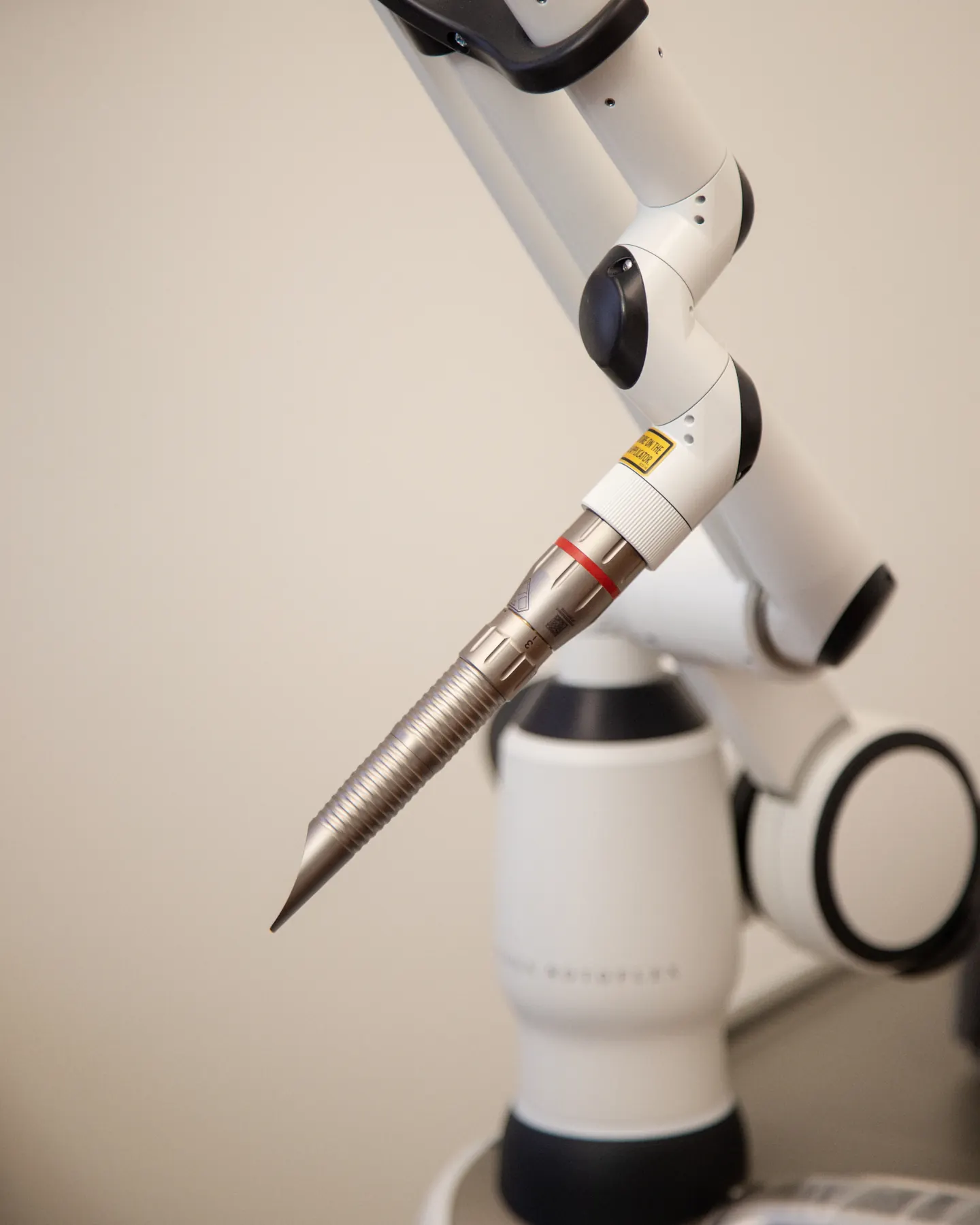
The intraoral step often surprises first-time patients. A laser handpiece is used inside the mouth to target the mucosal tissue and stimulate contraction and collagen remodeling. It sounds unusual until you think about how much age-related softening happens around the nasolabial folds and perioral area. Approaching that tissue from the inside allows energy delivery where external-only approaches may be less effective.
The external steps then build on that effect. Deep heating can encourage neocollagenesis, while more superficial passes help refine the skin surface. Some patients notice immediate tightness from tissue contraction, but the more meaningful changes tend to unfold gradually over the following weeks and months as collagen remodeling develops.
The phrase “non-invasive” deserves a closer look
Non-invasive is one of those terms that gets used so often in aesthetics that it starts to lose definition. In the case of the Fotona 4D Laser Facial (TimeWalker), it generally means there are no incisions, no needles built into the treatment itself, and no tissue excision. That is accurate, but it does not mean “no sensation” or “no recovery.” It also does not mean the treatment is trivial.
Patients usually feel heat, pressure, and a prickling or snapping sensation depending on the step being performed. The intraoral component feels odd more than painful for many people, though comfort levels vary. The external passes can range from very tolerable to moderately intense depending on settings, skin sensitivity, and whether the practitioner is aiming for a stronger result. Some clinics use topical numbing for selected phases, while others rely on cooling and pacing rather than full numbing.
Recovery is usually lighter than with ablative resurfacing or surgery, but there is still a real post-treatment period. Redness, mild swelling, and a sun-flushed look are common. Patients with more aggressive settings may feel warmth for several hours and experience a rougher texture for a few days. Makeup often goes back on quickly, sometimes the next day, but that should not be confused with the skin being fully “normal” immediately.
That nuance is important because good aesthetic decisions depend on honest expectations. The non-invasive appeal is real, but the best candidates understand that low downtime does not mean zero commitment.
Why it feels different from a standard facial
The word “facial” can be misleading here. This is not a spa facial with a medical-sounding name. It is a physician-directed or medically supervised laser treatment that creates controlled thermal effects in the tissue. The goals are biological, not just cosmetic in the short term. You are not simply polishing the skin for a weekend event. You are trying to trigger remodeling.
That distinction changes how results should be judged. A conventional facial may leave someone glowing for a few days because the skin is exfoliated, hydrated, and less congested. A laser facial, especially one built around collagen stimulation, may show some immediate improvement but is really playing a longer game. The better comparison is not with a peel-and-mask appointment but with other energy-based rejuvenation procedures.
The term also creates a practical issue in consultation. Some patients book a Fotona 4D Laser Facial (TimeWalker) assuming it will be gentle, pleasant, and maintenance-level. Then they are surprised to hear that it involves heat, visible redness, and a treatment course. A good consultation clears that up quickly. The upside is that patients who originally expected “just a facial” often become more interested when they realize the treatment is doing more substantive work.
The areas where it tends to shine
In practice, this treatment tends to be most rewarding for people with early to moderate signs of aging rather than severe laxity. It can improve the look of skin that appears tired, creased, porous, or mildly sagging, especially through the lower face and perioral region. The person who benefits most is often not the person with one dramatic issue, but the person with several moderate ones that add up to a generally less fresh appearance.
A common example is the patient in their late thirties to early fifties who says, “My skin just doesn’t bounce back the way it used to.” They may not need a surgical lift. They may not be ready for a fully ablative laser. But they do see softness around the jawline, makeup settling around the mouth, and a roughness across the cheeks that skin care is no longer correcting. For that patient, a layered laser approach can be a thoughtful fit.
It also appeals to patients who want skin tightening without volume addition. Fillers can be excellent tools, but not every face benefits from more volume, especially in the wrong place. In some cases, repeated volumization can make the midface look heavy while the skin itself remains lax or texturally poor. Tightening and surface refinement offer a different route.
What a session typically feels like
Experience varies from clinic to clinic, but the rhythm is often similar. The skin is cleansed carefully, photographs may be taken, and the clinician reviews goals before starting. Eye protection is used for the external portions. The intraoral step generally comes first or early in the sequence. Patients often describe it as warm, strange, and surprisingly manageable. The external passes then move across targeted areas of the face with changing sensations depending on depth and mode.
There is usually a smell of heated skin or plume during laser work, which is normal but unfamiliar for some patients. The session length can vary, often landing somewhere between 45 minutes and 90 minutes depending on whether the full face is treated, whether the neck is included, and how much customization is built in.
Immediately after, the face may look pink to red and feel tight, warm, or mildly puffy. Some people compare it to a stronger version of a post-workout flush. Others, especially with sensitive skin, look more obviously treated for a day or two. This is one of those areas where practitioner honesty matters. The same treatment can look very different on two people standing side by side.
Results, timing, and the patience factor
One of the most common mistakes in aesthetics is evaluating collagen treatments too early. The immediate afterglow can be pleasant, but it is not the final result. Much of the value in Fotona 4D comes from progressive remodeling, which means changes usually build over several weeks. Some patients notice early tightening quickly, especially around the mouth and lower face. Better texture, smoother fine lines, and firmer skin quality tend to declare themselves more gradually.
This delayed payoff is part of the treatment’s appeal and one of its limitations. For the right patient, it feels natural because the face improves in stages. There is no overnight transformation that invites speculation. For the impatient patient, or someone with an event in ten days, that same gradualism can feel underwhelming.
Treatment plans often involve a series rather than a single session. The exact number depends on skin quality, age-related changes, goals, and budget. A clinician may recommend a short initial course followed by maintenance. That is not a flaw in the technology. It reflects the reality that collagen remodeling is cumulative and aging is ongoing.
Where expectations need to stay grounded
A good laser can do a lot. It cannot do everything. This treatment is often excellent for improving skin texture, fine lines, radiance, and mild to moderate laxity, but it will not replicate the structural lift of surgery in someone with significant jowling or neck laxity. It also will not replace volume where true deflation is the main issue. If someone has pronounced hollowness in the temples or cheeks, tightening the skin may help some, but it will not restore what has been lost.
Pigment concerns require judgment as well. Depending on skin type and the settings used, some aspects of uneven tone may improve, but if melasma is the dominant issue, caution is warranted. Heat can aggravate melasma in some patients. That does not mean the treatment is off the table, but it does mean the plan should be built carefully by someone who understands pigment behavior and is not treating every brown patch as a simple sunspot.
Rosacea-prone skin can also be an edge case. Some patients do well. Others flare. The distinction often comes down to baseline barrier function, heat tolerance, and how conservatively the treatment is approached. This is where a blanket statement like “great for everyone” stops being useful.
The importance of who performs it
Laser devices matter. The operator matters more.
That is not a dramatic line, just practical truth. Two clinics can use the same platform and deliver very different outcomes because treatment design is not just about owning the machine. It is about reading skin correctly, choosing parameters thoughtfully, and knowing when not to push. A rushed provider may treat every face with a near-identical approach. An experienced one adjusts for age, tissue quality, skin thickness, sensitivity, history of pigmentation, previous procedures, and the patient’s tolerance for downtime.
The best laser consultations usually include a degree of restraint. If a patient really needs surgery for the result they want, the honest answer is not to keep stacking non-invasive treatments and pretending they will get there. If a patient is a better fit for vascular laser, pigment-specific work, microneedling radiofrequency, injectables, or a resurfacing approach, that should be said plainly.
This treatment tends to do best in practices that view it as one tool among many, not as a universal answer.
A sensible way to think about candidacy
The strongest candidates often share a few traits:
- They have early or moderate signs of aging rather than severe tissue descent.
- They want improvement in skin quality and mild tightening, not a dramatic surgical result.
- They can tolerate a little redness, warmth, and short-term downtime.
- They are willing to wait for collagen remodeling instead of demanding instant transformation.
- They understand that maintenance matters.
Someone who meets those criteria is often very pleased because the treatment aligns with both their anatomy and their expectations. Someone looking to erase deep folds in one visit, tighten a heavy neck substantially, or skip all maintenance may not be satisfied, even if the treatment is performed well.
The appeal for busy professionals
There is a very practical reason this treatment attracts professionals with demanding schedules. They want results that build quietly. They may be able to disappear for a weekend, but not for two weeks. They can manage a little redness, strategic scheduling, and careful skin care after treatment. They cannot manage visible peeling, bruising, or the social scrutiny that follows more obvious interventions.
That subtle profile matters. A lawyer, consultant, executive, or physician often wants skin that looks tighter and better rested in meetings without the look of sudden intervention. The Fotona 4D Laser Facial (TimeWalker) works in that lane. People may register that something looks fresher, but they usually cannot identify a single dramatic change.
In real life, that can be more valuable than a bigger result with bigger downtime. Not every patient wants the maximum possible correction if the trade-off is visible recovery and a harder pause on normal life.
How it fits with other aesthetic treatments
This treatment is often best understood not as a competitor to every other option, but as part of a broader strategy. For some patients, it serves as a primary treatment. For others, it complements skin care, neuromodulators, selective filler use, or other laser sessions across the year.
A patient with etched upper lip lines, for instance, might benefit from both tissue remodeling and movement control. Another with mild cheek laxity and textural irregularity might combine laser work with skin care that supports barrier function and pigment control. Someone with acne scars may need a more scar-specific plan. The point is that real faces are mixed presentations. Good outcomes come from matching tools to the actual problem rather than forcing a favorite treatment onto every concern.
This is one reason the word appeal in the title matters. The appeal is not only what the treatment does on its own. It is also that it fits into a modern aesthetic philosophy that values steady improvement, minimal disruption, and natural-looking outcomes.
Recovery and aftercare, in practical terms
Patients usually do best when they treat the skin as temporarily vulnerable, because that is what it is. The barrier has been challenged, heat has been delivered, and the tissue needs calm conditions to recover well. Most aftercare advice is straightforward, but people ignore it more often than they admit, usually by returning too quickly to active skin care.
For the first several days, bland, supportive skin care tends to work best. Gentle cleansing, hydration, and diligent sun protection are far more useful than layering acids and retinoids in the name of “helping” the result. If the skin feels warm and tight, simple measures usually outperform aggressive ones.
A short aftercare framework looks like this:
- Use a gentle cleanser and uncomplicated moisturizer.
- Avoid exfoliants, retinoids, and strong acids until the skin settles.
- Protect from sun exposure carefully, even on cloudy days.
- Skip intense heat, hard exercise, and steam for the immediate recovery window if advised.
- Report unexpected swelling, blistering, or prolonged irritation promptly.
That advice sounds basic because it is Fotona 4D Laser Facial (TimeWalker) basic, but basics are what preserve results and reduce complications.
The trade-off that makes sense for many patients
Every aesthetic procedure involves a trade. Surgery can deliver more dramatic lifting but brings greater recovery, cost, and commitment. Injectables can be fast and effective but may not improve skin texture or collagen architecture in the same way. Light facials and peels can brighten the surface but may not tighten meaningfully. Fully ablative resurfacing can produce powerful changes but requires serious downtime and careful patient selection.
The Fotona 4D Laser Facial (TimeWalker) sits in a thoughtful middle space. It offers visible rejuvenation without surgery, meaningful treatment without heavy social downtime, and collagen-focused improvement without the “done” look many patients fear. It is not magic, and it is not the right answer for every face. But for the patient who wants firmer, smoother, fresher skin with a realistic recovery profile, its non-invasive appeal is easy to understand.
That appeal has less to do with novelty than with balance. The treatment asks enough of the skin to create real change, but not so much that most patients need to press pause on life. In aesthetics, that balance is often where the most sustainable choices are made.
OMNIA Wellness Center
Address: 16430 Ventura Blvd Ste 207, Encino, CA 91436
Phone: (818) 386-8511
FAQ About Fotona 4D Laser Facial (TimeWalker)
What are the benefits of Fotona laser treatment?
OMNIA offers this treatment for concerns such as uneven texture, dull tone, and fine lines. Results and the number of sessions vary, so discuss your goals with a provider.
Is Fotona laser safe?
A qualified provider should review your skin, medical history, medications, and recent sun exposure to determine whether the treatment is appropriate. Ask about possible irritation, pigment changes, and aftercare before booking.
How much does a Fotona 4D facelift cost?
Price depends on the treatment plan and number of visits. Ask OMNIA for an itemized estimate during your consultation.
