Texas Homeowners’ Guide to Garage Cabinet Upgrades
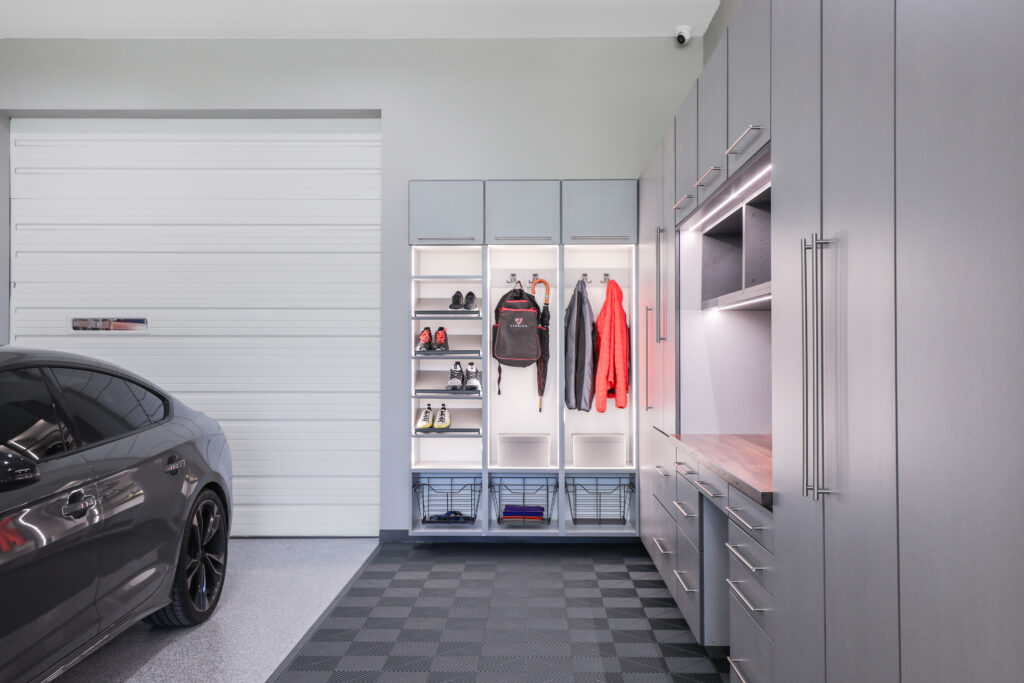
Ask five Texans what their garage has to do, and you will hear five different jobs. A landing pad for trucks and a bass boat. A grit-and-sawdust workshop. A tailgate zone for game days. A pantry extension for bulk groceries. That range of use drives the way you plan storage and cabinetry, because a good garage cabinet system does more than hide clutter. It shapes how you move, how safely you work, and how well your gear survives our heat, humidity, and dust.
I have installed and specified systems from El Paso to Beaumont. The same box that behaves perfectly in a climate-controlled Dallas suburb can swell, rust, or delaminate near the Gulf, or pack with dust after one spring wind in Lubbock. The right plan starts with the home, the vehicles, and the local conditions, then works inward to materials, layout, and installation. Done right, cabinets bring order without choking floor space. Done wrong, they swallow a bay and force you to park outside by August.
This guide walks you through the decisions that matter in Texas. You will see trade-offs, not blanket prescriptions, and a few cautionary tales from real garages.
What makes a Garage cabinet in Texas different
Texas stretches across climate zones. Humidity is the obvious challenge in Houston and Corpus, but it is not the only one.
-
Heat loads. Summertime interior garage temps can run 15 to 25 degrees hotter than outdoors. In a Hill Country garage that hits 105 on a July afternoon, adhesives soften, cheap edge tape peels, and drawer slides bake. Powder-coated steel and high-pressure laminates hold up, while low-grade melamine with paper-thin edges usually does not.
-
Moisture and salt. Coastal air speeds corrosion. Uncoated steel fasteners will spot within a season. MDF-based cabinets pull moisture at edges and screw points. Marine-grade plywood, aluminum, stainless hardware, and powder-coating pay off within a few years on the coast.
-
Dust and grit. West Texas garages inhale dust storms and fine caliche. Open shelves load up, then transfer grit into bearings and tools. Doors with decent seals, full backs, and toe-kick risers keep the worst out.
-
Pests. Fire ants, roaches, geckos, and the odd scorpion find gaps. A cabinet with closed bases, back panels, and brush or rubber gaskets at doors cuts down on surprises.
-
Slabs and structures. Many Texas homes use post-tension slabs. That affects anchoring and where you can drill. Metal buildings and barndominiums mean you might be fastening to steel frames or sheeted walls, not studded drywall.
These realities shape choices in materials and installation methods more than in northern states where temperature swings are milder and humidity more predictable.
Choosing materials that last here
I have torn out more than one garage system where the boxes looked fine from six feet away, but the shelves bowed like a hammock and the cam locks had loosened to the point of failure. Material choice is your first insurance policy.
-
Melamine on particleboard. Works acceptably in dry, conditioned garages. In humid or coastal areas, choose thermally fused melamine on furniture-grade particleboard with sealed edges and metal shelf pins, or skip it. Standard white melamine with unsealed edges will swell at the first seasonal soak.
-
Plywood. Birch or furniture-grade plywood with a high-pressure laminate face is a strong all-around choice in Central and North Texas. In Gulf air, marine-grade plywood or a moisture-resistant core moves to the front. Fasten with pocket screws and confirm the finish protects all edges.
-
Powder-coated steel. Think of these as the tanks of garage storage. They shrug off heat, resist corrosion if the coating quality is high, and carry heavy loads. Choose brands that dip-coat then bake, with stainless or zinc-plated hardware. They cost more, but in a Sugar Land garage I upgraded in 2016, a steel system still looks new after a decade of sweaty summers and a freeze.
-
Aluminum. Light, corrosion-proof, and less prone to heat soak than steel. Aluminum cabinets are excellent near the coast. They dent more easily and can rattle if poorly assembled.
-
HDPE and polymer composites. Nearly immune to moisture and bugs. They lack the refined look of laminate or metal but excel for utility zones that see mops, pool chemicals, and muddy boots.
Here is a quick snapshot to help you weigh the options you will see from a garage cabinet company or showroom.
- Melamine: Budget friendly, smooth finish, but edge sealing is critical and humidity is its enemy. Best for drier regions or conditioned garages.
- Plywood with HPL: Strong, repairable, warmer look. Higher material cost, but resists sag better than particleboard and tolerates moderate humidity.
- Powder-coated steel: Highest durability in heat and heavy use, premium pricing, watch for quality of the powder coat and drawer slides.
- Aluminum: Excellent corrosion resistance for coastal zones, light weight, slightly noisier feel unless well braced, costs similar to high-end steel.
- HDPE/composite: Moisture and chemical resistant, great for utility, aesthetics more utilitarian, screws require specific fasteners to avoid strip-out.
Layout decisions that keep the bay usable
A garage has a few non-negotiables: cars, door tracks, electrical panels, water heaters, attic pull-downs, and sometimes a fridge or freezer. Good garage cabinet builders start with a tape, a laser, and a parking test before they open a catalog.
Clearances are not guesses. In Texas, full-size trucks dominate. A recent Ford F-150 is about 232 inches long and roughly 80 inches wide without mirrors. If you plan a 24-foot-deep bay, one row of 24-inch-deep base cabinets along the back wall leaves about 20 feet of vehicle space. That works, but a 20-foot-deep garage with the same cabinets pushes your bumper toward the door line. I have seen clients lose indoor parking because someone fell for a showroom layout that assumed a compact.
Side clearances around doors matter just as much. Most homeowners need 30 to 36 inches to walk and open a side door without banging the cabinet. If a bay doubles as a shop, target 42 inches at the main work zone.
Ceiling height invites creativity. Twelve-foot ceilings in new construction neighborhoods around Frisco and McKinney allow tall lockers with overhead bins. Use that vertical real estate for things you seldom touch in winter or summer. In older bungalows with 8-foot ceilings, keep uppers around 30 to 36 inches tall to leave room for a task light or cleat rail below.
Swing and glide require thought too. Tall cabinet doors that open into a garage door track or a water softener are a headache. Full-extension drawers need 18 to 24 inches of free air. Where space is tight, sliding doors or shallow uppers save knuckles.
A simple measuring sequence that avoids the biggest mistakes
Use this five-minute checklist before you discuss drawings with a garage cabinet company.
- Park your largest vehicle where you want it and chalk the footprint, mirrors included.
- Measure from back wall to inside of closed garage door and note opener rail height.
- Record all obstructions: outlets, hose bibs, door tracks, attic ladder swing, water heaters, and panels.
- Mark the desired working aisle widths in chalk and test walking with a tote in hand.
- Photograph each wall with a tape measure visible, then label the photos by wall.
Those few steps eliminate half the rework I see during Garage cabinet installation, and they keep your final design honest about depth and clearance.
Storage categories that actually solve problems
Not every item belongs behind a door. A Texas garage often blends clean storage with rough-and-ready garage cabinets zones. It helps to think in layers.
Hidden bulk storage is perfect for the things that look messy but do not need daily access: holiday bins, seldom-used power tools, old tax files. Deep base cabinets or tall lockers with adjustable shelves handle this well. Use 3/4-inch shelving for spans over 30 inches, especially if you stack bins. I limit spans to 24 inches when using melamine to avoid the slow smile that appears after a few summers.
Daily use zones push toward grab-and-go. If you keep coolers handy from March to November, put them in a lower cabinet with no center stile, or on open shelving near the garage door. Sports gear benefits from ventilated doors or mesh inserts to dry sweat instead of brewing it. Pegboard inside a tall cabinet door can corral bats, gloves, and resistance bands.
Dirty work belongs by a sink or the exterior door. If you store pool chemicals, paint, and solvents, pick a cabinet with a spill tray and a lip. Avoid placing flammables near an electric water modular garage cabinets heater or a floor-level ignition source. In Harris County, I once saw blistered cabinet faces after a pool-chlorine spill cooked in August heat. A polymer cabinet in that zone would have lived a calmer life.
Long items need vertical strategy. Fishing rods, pipe clamps, and string trimmers want height, but they snag easily. A tall locker with side-mounted racks keeps them from tangling. If the locker width is 24 inches and the rods run to seven feet, place a secondary support at the mid-height to prevent a bow.
Overhead storage is useful when installed safely. In new homes with 2x4 bottom chords and truss engineering, follow the manufacturer’s load chart. I have relocated more than one ceiling rack that someone bolted into drywall and hope. When in doubt, shift bulk storage to tall cabinets and leave traffic zones overhead clear.
Integrating power, light, and airflow
Cabinets turn a hot, dim garage cabinet installers bay into a shop when you plan for electricity and ventilation. Before your Garage cabinet builders arrive, walk the walls with an electrician.
Add dedicated outlets inside a cabinet for chargers and battery stations. Lithium batteries prefer cooler, shaded spots. I often specify a vented cabinet with a small thermostatic fan to prevent heat build-up around chargers in summer. Keep the station 18 inches off the slab in areas where minor flooding is possible.
Undercabinet LED strips make a narrow workbench useful. Aim for 50 to 75 lumens per linear foot of counter. If you use a portable AC or a mini split to cool the garage during summer projects, let the installer run line sets before cabinets cover the wall paths.
A word on dust collection. If the garage doubles as a shop, hide a small cyclone or shop vac in a base cabinet and run ports through the cabinet sides. Add a louvered panel or perforated door to keep the motor cool. Seal any penetrations through shared walls with the house using fire-rated caulk to maintain the fire barrier.
Safety clearances and code touchpoints
Texas municipalities vary, but a few rules run common.
-
Fire separation. The wall between house and garage typically needs 5/8-inch Type X drywall. Do not cut or penetrate that wall without restoring the rating. Fasteners through that surface are fine when they hit studs.
-
Electrical panels. NEC requires clear working space in front of service panels, generally 30 inches wide and 36 inches deep from the panel face. Keep cabinets out of that box.
-
Water heaters. Gas water heaters in garages often sit on a stand 18 inches above the slab. Maintain manufacturer recommended clearances to combustibles and do not block service access. A louvered panel can hide the unit while allowing ventilation, but measure carefully.
-
Egress. If the garage has a side exit door, do not crowd the swing or step. I aim for 36 inches clear both ways.
-
Post-tension slabs. Many newer Texas homes have them. Drilling anchors into a PT slab without a layout is risky. When I mount base cabinets to the wall and let the feet float, I avoid drilling the slab altogether. If anchoring is necessary, use shallow-set anchors after a cable scan.
Permits are rarely required for cabinetry alone, but adding circuits, sinks, or modifying walls triggers inspections. Your garage cabinet company should know local practice, but always ask who pulls any needed permits.
Custom garage cabinets or modular systems
Custom garage cabinets shine when your walls are not straight and your needs are specific. I designed a set in San Antonio where a low window, a central vacuum canister, and an attic ladder all cut into the same wall. Off-the-shelf boxes would have turned the workbench into Swiss cheese. Custom let us stagger depths, notch around the canister, and still land a 72-inch counter with full drawers.
Modular systems win when timelines are tight and budgets lighter. Steel modular cabinets arrive powder-coated, bolt together, and adjust easily later. If you move in a few years, you can take them with you. Semi-custom options, especially plywood with laminate fronts, split the difference by letting you request specific widths and heights while keeping a standard interior.
Price ranges in Texas track materials and complexity. For a two-car garage, expect:
- Entry-level melamine systems: roughly $2,500 to $5,000 installed for a modest run of bases and uppers.
- Mid-range plywood with laminate or good modular steel: $5,000 to $12,000 depending on length, drawers, and countertops.
- High-end powder-coated steel or aluminum, larger spans, and specialty inserts: $10,000 to $25,000 and beyond for a full three-bay layout.
Custom work often lands 10 to 25 percent above modular on comparable scope because of labor and scribing. The delta is worth it when you have tricky geometry or want a furniture-grade look.
Countertops that take a beating
Counters face oil, glue, hot parts, and the odd hammer blow. Butcher block looks great and feels warm under the hand. In dry Central Texas it performs well if you oil it. Near the coast, it demands more maintenance. High-pressure laminate counters are daily drivers and easy to clean. Stainless tops are bombproof and cool to the touch on hot days, but they scratch. A few clients have used recycled bowling lane slabs with success, though they take two strong backs to install.
If you plan to wrench on engines or sharpen mower blades, consider a sacrificial overlay like a replaceable hardboard sheet, and add a magnetic parts tray rail to the backsplash.
Hardware and hinges that earn their keep
Drawer slides and hinges are the small parts that determine whether you curse or smile in year three. Full-extension slides rated for at least 100 pounds handle tools without binding. Ball-bearing types stand up to grit better than cheap epoxy slides. Soft-close hinges keep doors from slamming when temps climb and materials expand.
In coastal areas, stainless or zinc-nickel plated hardware resists pitting. I specify European cup hinges from brands that publish salt-spray test data. Handles take sweat and sunscreen all summer, so choose a finish that does not show every fingerprint. Black powder-coated pulls age gracefully in my experience.
Working with a garage cabinet company in Texas
You can buy boxes at a big-box store, but coordination and fit make the difference between a tidy install and a mess. A seasoned garage cabinet company will ask good questions about vehicles, hobbies, and climate, and they will bring a stud finder, not just a tablet.
When you interview Garage cabinet builders, ask where their systems have been installed near you. If they have a job in your zip code that is four to six years old, request a quick look or at least photos. Heat and humidity leave marks by then. Ask how they handle post-tension slabs and what fasteners they use in metal-framed buildings, common around ranch properties. Confirm who patches and paints if they remove existing shelving.
Timeline matters. In Texas, spring and fall are peak seasons. For Custom garage cabinets, design to install often runs 4 to 10 weeks depending on finish and shop backlog. Modular steel can be quicker, but freight can cause surprises. I budget a one-day tear-out and prep, then one to three days for installation depending on scope and whether electricians or plumbers need to coordinate.
Warranty terms separate solid operators from fly-by-night crews. Look for at least a 5-year materials and workmanship warranty on laminate and plywood systems, and 10 years or more on steel. Understand what is excluded. Excessive moisture, flooding, or chemical spills usually void coverage, which is fair. Some companies offer a first-year tune-up to tighten hardware as the boxes acclimate; take them up on it.
The realities of Garage cabinet installation
The best drawings still meet a real wall with a bow, a pipe where no plan shows one, or a stud that is not where it should be. An experienced crew adjusts. Here is what that looks like on site.
Stud mapping happens before a single cabinet goes up. On drywall over wood studs, I prefer structural screws rather than toggles for hanging uppers. In metal buildings, self-drilling screws into purlins or added wood blocking create a sound base. On masonry, sleeve anchors or Tapcons do the job, but spacing and embed depth matter in our heat cycles.
Scribing to the floor earns its pay. Many Texas slabs slope toward the door for drainage. Level the runs and use adjustable feet or scribe the toe kick to garage organization cabinets the slope. That avoids gaps that collect grit and bugs. If flood risk is real, set bases on 2-inch composite risers or design suspended cabinets with a clear base for easy hosing.
Seams and fillers should land in smart places. I stagger joints so the eye reads a continuous face. Around a water heater or softener, removable panels make future service simple. Inside corners benefit from dead-space solutions like pull-out blind-corner units if budget allows, but a simple open void with an access hatch can work for storing awkward items like artificial Christmas trees.
Cleanup is part of the craft. Good installers vacuum out every cabinet and wipe down counters. They also label adjustable shelves and leave a small bag of spare shelf pins, screws, and touch-up paint or laminate chips.
Maintenance that fits Texas seasons
Cabinets are pretty low maintenance if materials and hardware are right. Twice a year, in spring and fall, I suggest a simple routine.
Dust door tops and wipe faces with a damp microfiber cloth. Check drawer slides and hinges for smooth motion and tighten any loose screws. Humidity swings can settle hardware. Inspect for door seal wear in dusty regions and replace gaskets as needed. In coastal garages, look for early corrosion on screws and swap any that show pitting with better-plated versions.
If you oiled a butcher block top, plan on a refresh every three to four months through summer, then less often in winter. For laminate or steel, a mild cleaner keeps the sheen. Avoid garage cabinet supplier chlorine-based cleaners on steel cabinets, especially near the coast.
A few real-world notes from Texas installs
A Houston client loved the idea of deep 30-inch base cabinets for bulky coolers. On paper it fit. In reality, the garage door track curved inward 28 inches from the back wall. The solution was to run 24-inch bases along most of the wall, then step to 18 inches near the track and create a dedicated open cooler cubby away from the curve. The truck parked cleanly, and the coolers slid in and out without slamming the track.
In Lubbock, dust got into everything. We swapped open wire shelving for plywood cabinets with continuous backs and brush seals at the doors. After the first spring storm, the difference was obvious. The client now stores motorcycle parts without finding grit in bearings.
In Galveston County, steel won on durability, but drawer contents felt like a sauna. We added a small louver at the back of the tool cabinets and a shaded mini split to cool the space while wrenching. Drawer slides no longer felt gummy by July.
Where return on investment shows up
Appraisers do not list garage cabinets like a new roof, but buyers notice order. In Plano and Katy neighborhoods, I have watched well-planned garages tip buyers from maybe to yes. The real ROI is daily. Families reclaim parking, dads do not hunt for socket 10 mm, and weekend projects start without an hour of setup.
If you plan to sell in two to four years, keep the look neutral and flexible. Adjustable shelves, a few large drawers, one tall locker for cleaning tools, and a generous counter with lighting make the space feel ready without reading as hyper-personalized.
Bringing it all together
Upgrading your garage capabilities in Texas is part design, part material science, and part on-site judgment. Start with honest measurements and a picture of how you live. Match materials to climate and use. Respect clearances for safety and service. Pick a garage cabinet company that builds for our conditions, not a catalog in a distant state. Whether you land on Custom garage cabinets built to the inch or a robust modular steel system, make the layout serve your vehicles and your routine first.
A garage is not a showroom. It is a working room that bakes in summer, breathes dust in a front, and holds the gear that lets you live the Texas life. When your Garage cabinet installation reflects that, the space feels less like a catchall and more like part of the house that pulls its weight year after year.
Garaginization
Address: 2261 Morgan Pkwy Suite 130, Farmers Branch, TX 75234
Phone number: (214) 230-2294
FAQ About Garage Cabinet Company
How much should garage cabinets cost?
Garage cabinets cost anywhere from $500 to $10,000+ depending on whether you choose DIY-friendly plastic/resin units, ready-to-assemble steel sets, or full custom installations. Costs scale based on the material, garage size, and whether you pay for professional installation.
Who has the best garage cabinets?
Finding the "best" garage cabinets depends on your budget and storage needs. For heavy-duty use and premium quality, NewAge Products is widely considered the best overall. For excellent mid-tier value, Gladiator is highly rated, while Husky provides the best budget-friendly metal options.
Is Garage Organization.com legit?
Yes, Garage-Organization.com is a legit e-commerce retailer that sells garage storage cabinets, shelving, and organizational systems. While they are a legitimate business, there are a few important things to know before you buy.
