Rock Hill Windshield Repair: How to Handle Stone Chips
A stone chip on the windshield feels trivial until sunlight catches it at the worst angle on I‑77, or a frosty morning turns that pinprick into a creeping crack. Around Rock Hill, between construction debris, gravel shoulders, and seasonal storms, chipped auto glass is almost a rite of passage. Managing it well, and fast, is the difference between a simple resin repair and a full windshield replacement that interrupts your day and dents your budget.
This guide pulls from hands‑on experience in and around York County shop bays, dealership service drives, and mobile repair vans parked in office lots off Manchester Expressway. It covers what really matters: how to judge a chip, how long you can wait, what repair looks like, when replacement makes sense, and how to work with a local auto glass shop in Rock Hill without overpaying or compromising safety.
Why stone chips matter more than they look
A modern windshield is not just a sheet of glass. It is laminated safety glass, two layers bonded by a plastic interlayer that keeps the pane intact during impacts. That structure spreads crash forces, supports the roof in a rollover, and serves as a mounting surface for ADAS cameras that power lane keeping and automatic braking. Even a small chip can weaken this system. Left unchecked, heat, cold, or a pothole hit can turn a neat bulls‑eye into a winding crack that stretches to the edge.
Local conditions push chips toward failure. Hot sun over the Riverwalk, late‑day storms, then a sudden cool‑down will stress the glass. Winter mornings bring defrost blasts that create temperature gradients across the windshield. A chip that seems stable in the afternoon can grow overnight. The timing matters.
Recognizing the chip you have
Not all chips behave the same. The shape, depth, and location guide the decision to repair or replace.
- Bulls‑eye: A circular chip with a dark center and a clear ring. Often very repairable if caught early because the impact point is defined and resin can fill consistently.
- Star break: Multiple small cracks radiate from a center point. Repairable when the legs are short, tricky if they run past an inch because they can keep traveling.
- Combination break: A mix of bulls‑eye and short cracks. These are common on highways and depend on depth and reach for repair success.
- Half‑moon: A partial bulls‑eye along the outer layer from a glancing blow. Usually repairable.
- Surface pit: Tiny divot, no subsurface cracking. Usually cosmetic, not an urgent repair unless it distracts your view or there are many clustered pits.
- Crack: A line spreading from a point. Under about 6 inches can sometimes be stabilized, but anything longer or touching the edge generally leans toward replacement.
The critical question is depth. If the chip reaches the plastic interlayer or distorts the inner glass, resin repair cannot restore structural integrity. You will feel this when a probe catches the inner layer or when the damage looks milky white at the base.
What to do in the first hour
The first hour often decides cost and outcome. Grit and water wick into the break and block resin. Quick, simple steps protect the site and buy you time to schedule a repair.
- Cover the chip with clear tape. A small piece of clear packing tape blocks moisture and dirt without obscuring your view. Avoid duct tape and any colored tape.
- Avoid washing and defrost extremes. Gentle temperature changes keep micro‑cracks from spreading. Skip high‑pressure washes and the hottest defrost settings.
- Keep it dry. If it is raining, park under cover. Moisture trapped in the break reduces resin bond strength.
- Note when and how it happened. A timestamp and road location can help with insurance approval for windshield crack repair, and also informs the technician about likely impact types.
These steps are simple and reversible. They do not fix the chip, they preserve it for a proper repair.
Can you drive with a chip around Rock Hill?
Short answer, usually yes for a short period, if the chip is small, not in your primary line of sight, and not spreading. Long answer, there are caveats. South Carolina’s climate swings can turn a chip into a crack quickly. That means highway commutes up to Charlotte add risk, especially during temperature fluctuations. If the damage reaches from the driver’s side, at eye level, and you rely on ADAS features that use a camera behind the rear‑view mirror, any distortion can interfere with the camera and your own vision. In those cases, schedule windshield repair Rock Hill sooner rather than later. Same‑day mobile windshield repair Rock Hill is common, and many shops can meet you at work or home.
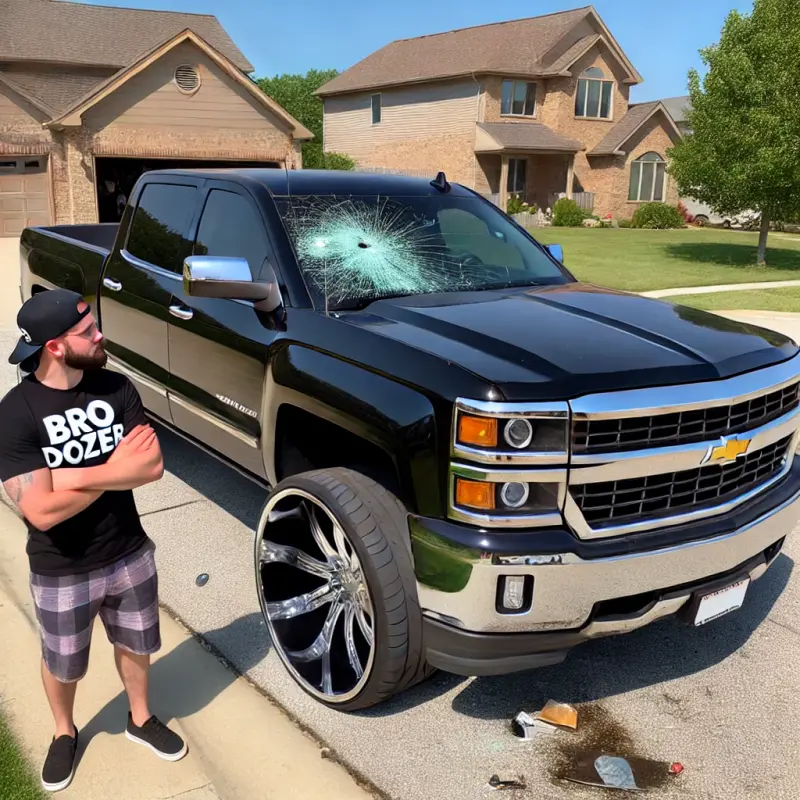
Repair versus replacement: make the right call
The trade‑off is straightforward. Repair is quicker and cheaper, and it preserves the factory seal. Replacement restores full strength when damage is beyond repair. Making the call depends on four elements: size, depth, location, and contamination.
- Size: Chips up to a quarter in diameter are prime candidates. Short cracks, often up to the length of a dollar bill, sometimes stabilize well, but the risk rises as length grows.
- Depth: If it penetrates both layers of the outer glass or shows significant delamination, replacement is the safe path.
- Location: Anything directly in the driver’s critical viewing area or where an ADAS camera views the road may still be repairable, but shops often recommend replacement to prevent optical distortion. Damage near the edge is structurally risky because the edge is a stress zone.
- Contamination and age: A week‑old chip that has gone through rainstorms and wash cycles likely has contaminants embedded that weaken resin bond. Quick repairs bond better and look cleaner.
A seasoned tech will measure the damage, probe it, and look for subsurface spread. Trust that process. If three shops in town say replace, the odds are high they are factoring safety and liability, not upselling.
What a proper chip repair looks like
A good chip repair is part technique, windshield crack repair rock hill part patience. Done right, it takes around 30 to 45 minutes. The steps are consistent across reputable providers in auto glass repair Rock Hill.
The tech cleans the glass and isolates the chip under a bridge tool. A vacuum cycle removes air and moisture. This step is often repeated with gentle heat to coax trapped air out of fine legs in a star break. Then a low‑viscosity resin is injected, the vacuum switches to pressure, and the resin flows into capillaries you can barely see. Once filled, the resin is cured under UV light, then the surface is topped with a pit filler and shaved flush. The end result is smooth to the touch and often 70 to 95 percent visually improved. The goal is structural stabilization first, cosmetic improvement second.
If a repair leaves a faint ghost, that is normal. From behind the wheel, the spot should fade into the background. From outside, in just the right light, you may still see the outline. Expect that. What you should not see is rough edges, bubbles, or legs that continue to grow after a day or two. If that happens, most shops will re‑work the site or credit you toward replacement.
Why speed matters
A fresh chip has clean fracture surfaces. Resin bonds best to clean glass. Each hour introduces road dust, pollen, condensation, and oils that ride wind currents into the break. On a humid Rock Hill day, moisture saturates the micro‑cracks. The longer you wait, the more likely you will see a cosmetic halo after repair and the more chance the legs will keep creeping. Quick action makes for better results and often keeps you out of the replacement category.
Costs and what affects them
For a single chip, repair in Rock Hill generally lands in a moderate range. If you go to an auto glass shop Rock Hill location, expect a straightforward fee. Mobile auto glass Rock Hill service sometimes adds a small convenience charge, although many local providers waive it within a certain radius. Multiple chips increase time and resin use, so the price scales.
Replacement costs vary widely due to glass type and technology. A plain windshield on an older sedan can be relatively affordable. A modern SUV with a heated wiper park, acoustic glass, and a forward camera costs more, sometimes much more. That camera needs calibration after the install. If you shop for cheap windshield replacement Rock Hill, be sure the quote includes moldings, adhesive meeting FMVSS standards, and ADAS calibration if required. A surprisingly low estimate often excludes calibration or uses a universal molding that can whistle at highway speeds.
Insurance is worth a call. Many policies cover windshield crack repair Rock Hill with little or no deductible because it prevents bigger claims later. South Carolina’s regulations and common carrier practices make repair coverage common, especially for comprehensive policies. Replacements typically fall under your comprehensive deductible.
OEM, OEE, aftermarket: what you are really getting
When you hear OEM, that is glass branded to the vehicle manufacturer. OEE, original equipment equivalent, meets the same specifications and often comes from the same factories without the automaker logo. Aftermarket spans a range. The best aftermarket windshields meet or exceed safety and optical standards, but some budget options show waviness or imperfect frit bands along the edges.
The deciding factors: clarity, fit, and compatibility with sensors. Slight optical distortion that is invisible in the showroom can cause eye strain on a long drive. Ask the shop which brands they install and whether they have had issues with your vehicle’s lane camera or rain sensor after fitting a specific glass line. A dependable auto glass shop Rock Hill will know which panels work best on popular local vehicles.
Adhesives and safe drive‑away times
The adhesive bead that bonds the glass to the pinch weld is as important as the glass. Urethane cures through moisture in the air at a rate that depends on humidity and temperature. Good shops use urethanes that reach safe drive‑away strength within an hour or two under typical conditions. They will give you a time window. Respect it. Slamming doors before cure can flex the opening, and an early highway run can stress the bond. A mobile auto glass Rock Hill technician will review these cautions with you if they install on site.
ADAS calibration is not optional
If your vehicle has a forward‑facing camera mounted to the glass, a windshield replacement needs calibration. There are two kinds, static and dynamic. Static uses targets in a controlled space, dynamic uses driving procedures along specific routes at defined speeds. Many cars require both. Skipping this step can shift lane centering and reduce emergency braking accuracy. Seek shops that handle calibration in‑house or partner with a trusted facility. Ask how they document successful calibration. If they shrug or say it is not necessary, that is a red flag.
Mobile service versus shop visit
Mobile windshield repair Rock Hill is convenient, and for chips, it works well. Repairs need cleanliness and stable temperatures, not specialized shop equipment. For replacements, mobile can also be excellent if the conditions are right and the tech has space and weather cover. Heavy wind, dust, and rain complicate adhesive work and sensor setup. Some vehicles simply do better in a controlled bay, especially when complex calibration is required.
Think of it this way. If you drive a compact commuter with no ADAS, mobile replacement at your driveway is likely fine. If you own a late‑model crossover with cameras and heated elements, consider an in‑shop appointment or a mobile team that brings a canopy and calibration equipment.
How to choose the right shop in Rock Hill
Local shops live and die by word‑of‑mouth, and Rock Hill is a small enough community that reputation travels fast. Pay attention to how a provider answers questions. Are they listening or rushing? Do they explain your options and costs clearly? Look for a shop that volunteers details about resin types, adhesive brands, and calibration steps rather than hiding behind generic terms. A good operator will tell you when repair is appropriate and when auto glass replacement Rock Hill is the smarter call.
One more practical measure: how they handle cleanup. Good techs wear gloves, protect the dash, vacuum the cowl, and clear out glass bits from the corners. You should not find urethane smudges on your A‑pillars or loose clips rattling after the job.
Real‑world examples from the area
A morning chip on Celanese Road, driver’s side, quarter‑sized bulls‑eye with no legs: a textbook repair. Covered with clear tape, repaired the same afternoon by a mobile tech, 90 percent invisible afterward and no spread through the next summer.
A starred chip on the passenger side of a work truck that ran a week before repair: dirt infiltration showed as a faint gray haze after resin cure. Structurally fine, cosmetically fair. Owner accepted it because the truck sees job sites and the view impact is minimal.
A modern SUV that took a long crack after a cold snap: replacement in shop, OEE acoustic glass, urethane with a 60‑minute drive‑away time, followed by static and dynamic ADAS calibration. Total time in bay about three hours. The owner initially chased a cheaper quote that did not include calibration. Once they realized the camera would flag faults without it, they chose the complete package.
Myths worth discarding
“Repairs always disappear completely.” They often look great, but the goal is structural stabilization. Expect improved appearance, not perfection.
“You can wait until the weekend.” Maybe, but daily thermal swings here accelerate spread. A Tuesday chip can be a Friday crack.
“Any glass is fine if it fits.” Optical quality varies. You notice it in early morning sun or at night under streetlights, where cheap glass can show waves or double images.
“Calibration is an upsell.” For vehicles with cameras mounted on the glass, it is a safety critical step. Skip it and your systems may behave unpredictably.
Small habits that prevent chips from becoming cracks
You cannot control gravel on I‑77, but you can reduce stress on damaged glass while you arrange service. Leave a bit more following distance behind dump trucks and trailers shedding debris. Avoid sudden blasts of hot air on a freezing morning, bring the defrost up gradually. Park in shade when possible, not because of the heat alone but to reduce rapid temperature swings. Wash by hand with a soft mitt rather than hammering the windshield with a pressure wand right over a chip.
If you use a window mount for a phone or GPS, keep it away from the chip. The suction cup pressure and localized heating under the disc can encourage spread. The same goes for harsh glass cleaners on a fresh break. A mild cleaner and a soft towel suffice until repair.
Working with insurance without headaches
Most carriers in South Carolina will approve windshield repair quickly, often with direct billing from the shop. If you call your insurer first, they may route you to a preferred network. You can still choose your own auto glass shop Rock Hill provider. If you prefer not to involve insurance for a small chip repair, many shops price those services to be less than a typical deductible.
For replacements, confirm your comprehensive deductible and ask how calibration is handled. Some insurers cover calibration as part of the glass claim, others process it as a separate line item. Accuracy in the invoice matters. A shop familiar with local carriers smooths this process.
When to say yes to replacement
There is pride in saving the original glass, and a good repair keeps it on the vehicle, which preserves factory seals and often reduces wind noise. But replacement is the right choice in clear cases. A crack longer than a few inches, any break that touches the edge, deep combination breaks with cloudy interlayer signs, or chips that sit squarely in the driver’s critical viewing area are better served by a new panel.
For those cases, seek windshield replacement Rock Hill providers who explain glass options, show you the new panel before install, and give you the adhesive cure time and calibration documents. If they are comfortable doing the job in your driveway, ask what the weather plan is and how they keep dust and pollen off the bonding surfaces. The best teams are meticulous about surface prep.
The role of mobile service for busy schedules
Commutes to Charlotte, kids’ sports at Manchester Meadows, classes at Winthrop, and tight workdays make scheduling tough. That is where mobile auto glass Rock Hill shines. A mobile unit can meet you in an office lot, set up a wind shield if needed, and finish a chip repair during a lunch break. For replacements, they bring moldings, clips, and calibration tools where possible, or schedule you for a quick in‑shop calibration slot immediately after the install. It is a system tuned to how people here actually live.
A practical decision path
When a stone hits, a simple decision path keeps you on track without overthinking.
- Protect the chip immediately, keep it dry, and avoid heat shocks.
- Get a quick assessment from a reputable local shop, ideally with photos via text if you are at work.
- If repairable, schedule it within 24 to 72 hours, mobile or in‑shop.
- If not, confirm glass type, calibration needs, price, and warranty. Book the soonest slot that gives you a controlled environment and a written calibration result.
That rhythm solves most problems before they grow teeth.
The value of a trusted local partner
The words auto glass Rock Hill cover a mix of independent shops, franchise names, and mobile specialists. The best among them treat this work as safety equipment service, not just glass handling. They track weather for mobile scheduling, stock common panels for popular regional vehicles, and keep calibration targets clean and aligned. They remember repeat customers and honor rock chip warranties, not because a paper says so, but because that is how you build a business in a city where customers run into you again at lunch on Cherry Road.
When you find that shop, hang onto them. Put the contact in your phone, because the next chip will not send a calendar invite. And the moment the rock pops, you will know who to call.
Final thoughts from the bay
I have watched dozens of drivers walk in sheepish, holding a story about a gravel sprayer on their morning route, only to leave relieved after a neat repair. I have also seen delayed chips turn into sprawling cracks after a cold snap, turning an easy fix into a two‑hour replacement plus calibration. The pattern is clear. Act quickly, choose quality over gimmicks, and use mobile windshield repair Rock Hill when it helps you move fast. You will spend less, drive safer, and forget where the chip even was by the time spring pollen coats the hood again.
If you are staring at a fresh bulls‑eye right now, tape it, keep it dry, and reach out to a trusted auto glass shop Rock Hill for a same‑day look. That small step preserves your options and often keeps your factory glass in place. If replacement is the answer, insist on the right glass, proper urethane, and calibration. The difference shows up not just in clarity, but in how your car protects you when you need it most.
