Residential Landscaping Ideas for Glendale’s Craftsman and Historic Homes
Glendale’s older neighborhoods have a particular kind of curb appeal. A deep porch on a Craftsman bungalow, a clay-tile roof on a Spanish Colonial Revival home, a Tudor gable in Rossmoyne, a mature street presence that feels established rather than staged. These homes do not need loud landscaping. They need landscape design that understands proportion, shade, water, texture, and restraint.
That last word matters. A historic or Craftsman home can be weakened by a front yard that looks too generic, too tropical, too suburban, or too newly installed. The best residential landscaping in Glendale CA usually feels as though it belongs to the house and the climate at the same time. It respects the architecture, handles heat and limited watering, and still gives the owner usable outdoor living spaces.
Glendale homeowners also face practical limits that shape every good design decision. Glendale Water & Power remains in Phase III of its Mandatory Water Conservation Ordinance, which limits outdoor watering to two days a week, Tuesday and Saturday, for no more than 10 minutes per watering station. That does not mean front yard landscaping has to look dry, sparse, or unfinished. It means the design has to be smarter from the beginning, with drought tolerant landscaping, efficient irrigation systems, mulch, appropriate plant spacing, and hardscaping that earns its place.
For Craftsman and historic homes, the goal is not simply to replace lawn with gravel. The goal is to build a landscape that looks rooted, ages well, uses water carefully, and supports the character of the property.
Start with the house, not the plant palette
A common mistake in landscape renovation is beginning with favorite plants instead of the building. With historic homes, the house should set the rhythm. A Craftsman bungalow often has strong horizontal lines, porch columns, exposed rafters, and a grounded, handmade feel. The landscape should echo that with layered planting, low retaining walls when needed, natural textures, and pathways that feel generous without being flashy.
Spanish Colonial Revival homes, which are also prominent in Glendale, can carry courtyards, stucco walls, terracotta tones, and sculptural plants especially well. Tudor Revival and French-inspired homes, seen in historic districts such as Rossmoyne, often benefit from softer planting masses, clipped structure near entries, and walkways that feel slightly formal without becoming stiff.
The City’s own design guidance asks whether landscape design complements the building design and conserves water. That pairing is exactly right. For a Glendale historic home, beauty and water efficiency are not separate categories. A front garden that fights the climate will always look stressed by late summer. A garden that ignores the house may survive, but it will not improve the property.
When I look at an older home for custom landscape design, I pay attention to where the original entry sequence wants to be. Many older homes were designed with a clear relationship between sidewalk, walkway, porch, and front door. If a previous owner widened paving, removed planting beds, or installed a lawn that reads as blank space, the house may feel less inviting than it should. Good landscape renovation can restore that sense of arrival without pretending the yard is a museum piece.
Glendale’s water rules should shape the design from day one
Water limits are not a minor maintenance note in Glendale. They affect plant selection, irrigation layout, soil preparation, and expectations for how quickly a garden fills in. Under the current Phase III restrictions, outdoor watering is limited to two days per week and short watering windows per station. Spray irrigation over a thirsty lawn is poorly matched to that reality.
The City actively promotes drought-tolerant and California-friendly landscaping, and it maintains public examples such as a downtown drought-tolerant demonstration garden and water-wise garden resources with many California native landscape examples. That public emphasis reflects a practical truth: Glendale landscapes need to be designed for heat, dry periods, and responsible water use.
The difference in water demand can be dramatic. Glendale states that native plants can survive drought with about 20 gallons of water per month, compared with up to 4,000 gallons per month for a green lawn in summer. The exact performance of any yard depends on exposure, soil, slope, plant maturity, and maintenance, but the comparison is useful. A traditional green lawn in a hot Southern California summer is one of the most water-intensive landscape choices a homeowner can make.
For older homes, removing or reducing turf can actually improve ridgelineoutdoorliving.com Hardscaping glendale the architecture. Many Craftsman homes look better when the foundation is softened by layered shrubs, grasses, perennials, and groundcovers rather than bordered by a flat lawn. A lawn can make the house look disconnected from the ground plane. A water efficient landscaping plan can make the home feel settled into the site.
Rethinking the front yard without losing historic charm
Front yard landscaping carries more weight on a historic home than it does on many newer properties. It frames the architecture for the street, affects neighborhood character, and influences perceived care. In Glendale’s high-value housing market, where the median value of owner-occupied housing units is over $1 million, curb appeal is not cosmetic fluff. It is part of how a property presents itself.
A successful front yard usually begins with a clear walkway. Older homes often look best when the path is wide enough for two people to walk comfortably, with planting beds that soften the edges. A narrow concrete strip through gravel can feel underbuilt next to a substantial porch. A paver patio or paver walkway can work if the color and pattern do not compete with the house. For Craftsman homes, muted concrete pavers, brick-like tones, or stone-textured materials tend to feel more appropriate than high-contrast modern patterns.
Planting should be layered but not cluttered. Low plants near the walkway, medium shrubs toward the porch or foundation, and a few stronger accent plants can create depth. The key is to preserve visibility of important architectural features. Do not bury porch piers, obscure historic windows, or plant large shrubs where they will need constant shearing to stay in bounds. A plant that only looks good if it is cut into a box every month is usually the wrong plant for a Craftsman frontage.
Drought tolerant landscaping does not have to mean a desert theme. California-friendly plants, native plants, Mediterranean-climate plants, and low-water ornamentals can create a garden with movement, flowers, shade, and seasonal interest. Mulch is essential, not decorative afterthought. It cools soil, reduces evaporation, and gives young plants a better chance of establishing under limited watering schedules.
Turf replacement, rebates, and the synthetic grass question
Glendale’s Turf Replacement Program offers a $3 per square foot rebate for replacing turf with drought-tolerant or native plants, drip or efficient irrigation, and rainwater capture. Synthetic turf is not an approved conversion option in that program. That distinction matters because artificial turf is often marketed as a universal answer to lawn removal, but the City’s rebate priorities favor living, water-wise landscapes with efficient irrigation and rainwater benefits.
Artificial turf and synthetic grass still come up in residential landscaping conversations. There are situations where a homeowner wants a small play surface, a pet area, or a consistently green patch in a shaded courtyard where real lawn struggles. The trade-off is that synthetic turf does not provide the same habitat, cooling, or rebate alignment as a planted drought tolerant landscape. On historic homes, it can also look visually out of place if used broadly across the front yard.
Sod installation has its own place, but in Glendale it should be used with care. A small lawn panel in a backyard may support children, pets, or outdoor gatherings. A large ornamental front lawn is harder to justify under local water conditions. If real turf is part of the plan, the irrigation system has to be precise, and the homeowner should understand the maintenance and water demand before committing.
For many Craftsman and historic properties, the best solution is not all lawn or no lawn. It is reducing lawn to where it functions, then replacing the rest with planted beds, permeable or semi-permeable hardscaping, and shaded seating areas. That approach keeps the yard useful while lowering the burden on water and maintenance.
Hardscaping that belongs with older homes
Hardscaping can make or break a historic landscape. Too little structure and the garden feels messy. Too much paving and the home loses softness. The right balance depends on the lot, slope, architecture, and how the family uses the space.
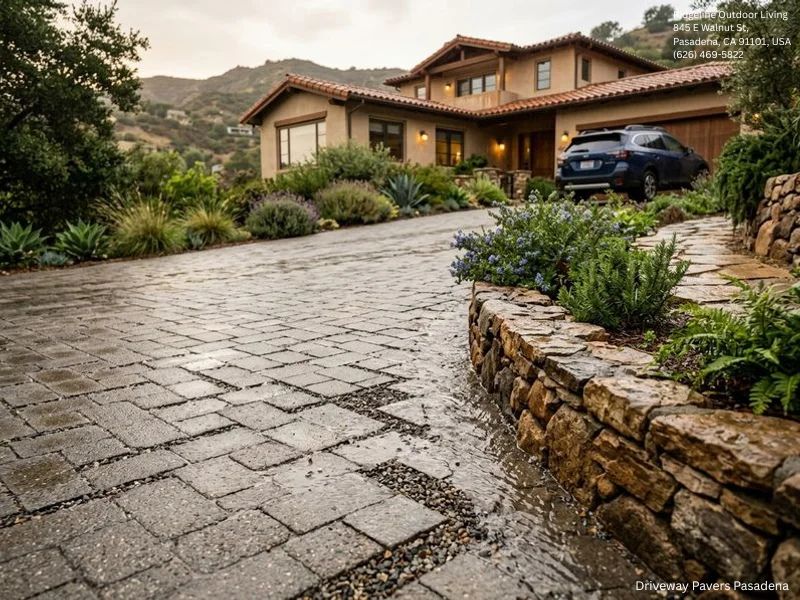
A hardscape contractor working on older Glendale homes should be sensitive to scale. Oversized pavers, glossy finishes, and stark color contrasts can pull attention away from the architecture. Materials that feel grounded and slightly understated usually work better. Concrete can be appropriate when detailed well. Brick can suit many period homes, though color matters. Natural stone can be beautiful, but it should not look like it was chosen from a resort catalog without regard for the house.
Retaining walls deserve particular care. Glendale properties can include grade changes, and a retaining wall may be necessary for stability, usable space, or erosion control. On a historic home, a retaining wall should look integrated rather than imposed. Low walls can create planting terraces, define the entry path, or frame a patio installation. Tall walls require more technical attention and should be handled by qualified professionals who understand drainage, load, and permitting considerations where applicable.
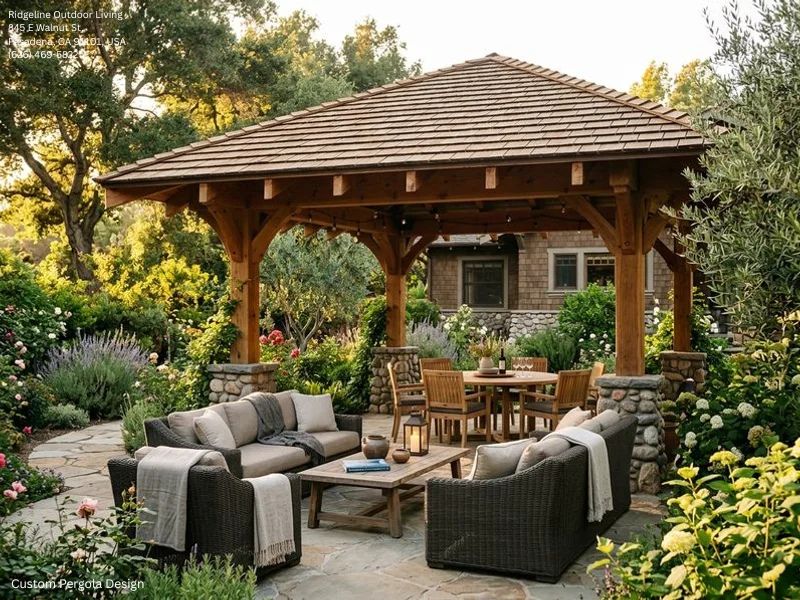
A paver patio in the backyard can be one of the most valuable landscape installation choices for an older home. Many historic houses were built before contemporary outdoor living became a priority. A well-placed patio can add dining space, a lounge area, or a quiet morning coffee spot without altering the home’s structure. The patio should relate to doorways, shade, and circulation. If it sits in the hottest part of the yard with no shade plan, it may look good in photos and sit unused in August.
Backyard landscaping for real Glendale living
Backyard landscaping has different responsibilities than the front yard. The front yard speaks to the street. The backyard has to work for daily life. In Glendale, that often means planning around heat, limited watering, privacy, and flexible outdoor living spaces.
A backyard for a Craftsman home might include a dining patio near the kitchen, a decomposed granite or paver sitting area under shade, planting beds along fences, and a small functional turf area if needed. For a Spanish Colonial Revival home, a courtyard-like space with textured paving, container plants, and drought tolerant planting can feel especially natural. Tudor and French-inspired homes can support more formal geometry, but the planting still needs to be climate-appropriate.
Shade is one of the most important design elements, yet it is often treated as secondary. A patio without shade in Glendale can be uncomfortable for much of the warm season. Shade can come from existing trees, new trees chosen carefully for size and water needs, pergolas, umbrellas, or the house itself. The best backyard landscaping uses shade patterns rather than fighting them. Morning sun areas are different from afternoon sun areas, and plant choices should reflect that.
Privacy also needs a measured hand. Historic homes can be damaged visually by tall, harsh screening planted too close to walls or windows. Layering is usually better than a single green landscaping Glendale barricade. A combination of shrubs, small trees, vines on appropriate structures, and fencing can create privacy while keeping air movement and scale.
A short checklist for a historically sensitive Glendale landscape
Use this as a practical filter before approving a landscape design or hiring a landscape contractor Glendale homeowners can trust.
- The design strengthens the home’s architecture rather than hiding it.
- Plant choices are compatible with Glendale’s heat, dry climate, and watering limits.
- Irrigation relies on efficient methods such as drip where appropriate, not overspray.
- Hardscaping feels proportional to the house and does not dominate the yard.
- Maintenance can be handled realistically without constant shearing, overwatering, or replacement.
This checklist is simple, but it prevents many expensive mistakes. A beautiful rendering means little if the garden cannot survive the watering schedule, and a water-saving plan is incomplete if it makes a historic home look stripped bare.
Irrigation is where many landscapes succeed or fail
Plant selection gets most of the attention, but irrigation systems often determine whether a landscape matures gracefully. Glendale’s guidance emphasizes drip irrigation, mulch, leak repairs, and watering early or late in the day. Those are not just conservation slogans. They are jobsite realities.
Drip irrigation is well suited to many drought tolerant planting designs because it applies water near the root zone with less waste than overhead spray. It also reduces water on walls, windows, paving, and sidewalks, which matters for older homes and public-facing front yards. A good sprinkler installation or irrigation retrofit should separate hydrozones, meaning plants with similar water needs are grouped on the same valve. Mixing thirsty turf, native shrubs, and low-water perennials on one station creates problems because one group will be overwatered or underwatered.
Watering time limits also make system efficiency more important. If each station can only run for a short period on allowed days, the irrigation layout needs to deliver water effectively. Poor pressure, clogged emitters, broken heads, or overspray onto paving are not minor annoyances. They reduce plant health and waste the limited watering window.
Mulch should be considered part of the irrigation strategy. Organic mulch helps hold moisture and moderate soil temperature. In a historic front yard, it also gives planting beds a finished look while young plants fill in. Gravel can work in certain designs, but too much exposed rock can increase heat and create a harsh appearance, especially around Craftsman homes that benefit from warmth and softness.
Parkway planting and public-facing details
The parkway, the strip between sidewalk and curb, is easy to overlook until it becomes a compliance issue. Glendale requires a permit from Public Works for installing any living or non-living plant materials over 12 inches high in parkways, and parkway landscaping is governed by the municipal code. That means homeowners should not treat the parkway as a free-form planting bed.
From a design perspective, parkways need to be tough, low, and safe. They are exposed to foot traffic, car doors, reflected heat, and limited irrigation. They also affect the public appearance of the property. Low-growing, water-wise planting can improve curb appeal, but it should not block visibility or create obstacles. This is one area where a knowledgeable landscaper Glendale CA homeowners hire should be familiar with local expectations before installation begins.
Parkways are also a good example of why historic landscaping is not just about taste. A plant that looks charming in a nursery container may be impractical beside a curb. A boulder or tall planting element may violate local requirements or create access problems. Good design accounts for beauty, rules, maintenance, and daily use at the same time.
Low maintenance does not mean no maintenance
Low maintenance landscaping is Landscape community guide often misunderstood. It does not mean installing rock and walking away. It means reducing repetitive, resource-heavy tasks such as weekly mowing, frequent hedging, excessive watering, and seasonal replanting. A well-designed water efficient landscaping plan still needs observation, especially during the first year.
Young drought tolerant plants need establishment water. Native plants are not plastic decorations. They are living material, and their roots need time to develop. During establishment, irrigation has to be monitored and adjusted. After plants mature, water can often be reduced, but only if the planting was designed properly in the first place.
Maintenance practices also matter in Glendale because gas-powered leaf blowers are prohibited, and rebates are available for electric leaf blowers purchased in Glendale or elsewhere. That rule fits naturally with a more thoughtful landscape. Instead of blasting every leaf out of planting beds, many drought tolerant gardens benefit from allowing some organic matter to remain as natural mulch, while keeping walkways, patios, and entries clean.
For historic homes, maintenance should preserve character. Over-sheared shrubs can make an older house look commercial. Letting plants grow wildly over windows and porch details creates the opposite problem. The best maintenance approach is selective, seasonal, and informed by the design intent.
Matching plant character to architectural character
A Craftsman landscape should feel crafted. That does not require rare plants or complicated planting schemes. It often means using plants with texture, seasonal Hardscaping glendale change, and natural form. Grasses, flowering perennials, compact shrubs, and small trees can create the layered look that suits broad porches and low rooflines. The planting should look inviting from the sidewalk and pleasant from the porch.
Spanish Colonial Revival homes can handle stronger sculptural forms, especially when paired with stucco, tile, and courtyard spaces. The risk is overdoing the theme. A few bold plants can be effective. Too many spiky accents can make a home feel like a themed commercial property rather than a residence.
Tudor Revival and French-inspired homes often benefit from structure. That might mean a defined path, a pair of entry shrubs, or a more symmetrical planting gesture near the front door. Still, the garden should respond to Glendale’s climate. Trying to force a lush, high-water cottage garden into a hot, dry site will usually lead to frustration.
Rossmoyne’s historic context, with hundreds of homes and several revival styles, shows why one-size-fits-all landscaping does not work. Even within a historic district, a landscape that flatters one home may feel wrong next door. Custom landscape design should read the individual house, not just the neighborhood label.
Where hardscape and planting should meet
The seam between hardscape and planting is where many landscapes either feel professional or pieced together. A patio that ends abruptly at bare gravel feels unfinished. A walkway squeezed by overgrown plants becomes annoying. A retaining wall with no planting nearby can look severe, while a wall softened by appropriate shrubs or trailing plants can feel established.
For Glendale homes, planted edges also help reduce the visual heat of paving. Outdoor living spaces need durable surfaces, but they should not become heat islands. Planting beds near patios can cool the perception of the space, add fragrance or movement, and create a sense of enclosure. The trick is to choose plants that will not constantly drop messy debris onto dining areas or grow too wide for the available space.
Drainage should be considered before the pretty details. Older properties may have paving that slopes toward the house, compacted soils, or improvised drains from past projects. Landscape installation should correct problems rather than cover them. Water should move away from structures, and irrigation should not soak foundations or stucco. Even drought tolerant landscapes receive water, and that water has to go somewhere.
When to renovate in phases
Not every homeowner wants to complete a full landscape renovation at once. Phasing can work well, especially on larger lots or properties with both front and backyard needs. The important point is to plan the whole site before building the first piece. Otherwise, phase one can block phase two, and the final result may feel patched together.
A sensible sequence often starts with grading, drainage, irrigation infrastructure, and major hardscaping. Planting can follow, with priority given to areas that affect curb appeal or daily use. If a future paver patio, retaining wall, or outdoor kitchen area is likely, sleeves and utility considerations should be handled early where appropriate. Retrofitting under finished paving is frustrating and expensive.
Phasing also helps homeowners learn how they use the yard. A family may think they want a large lawn, then discover they spend more time on a shaded patio. Another owner may plan a formal front garden, then realize the porch needs more privacy from the sidewalk. Good landscape contractors listen for those patterns and adjust without losing the overall design.
Choosing the right professional for a Glendale historic home
Hiring a landscape contractor Glendale homeowners can rely on is partly about licensing, experience, and execution, but it is also about judgment. Historic and Craftsman homes require restraint. A contractor may be excellent at new-build backyard landscaping and still not be the right fit for a 1920s-style bungalow frontage if the proposed design ignores scale and architecture.
The best conversations are specific. Ask how the design will reduce water use. Ask how the irrigation zones will be organized. Ask what the landscape will look like in the first year, third year, and fifth year. Ask whether the parkway requires special attention. Ask how hardscape colors and patterns were chosen in relation to the home.
A professional should be willing to discuss trade-offs. Artificial turf may solve one problem and create another. Gravel may reduce irrigation but increase reflected heat. A large paver patio may improve entertaining but reduce planting area. Native plants may save water over time but still need careful establishment. These are not reasons to avoid improvements. They are reasons to design with open eyes.
Practical design directions that work especially well in Glendale
A few approaches consistently suit Glendale’s Craftsman and historic homes when they are adapted to the specific property.
- Replace broad front lawn with layered California-friendly planting, mulch, and a stronger walkway.
- Use a modest paver patio in the backyard to create usable outdoor living without overwhelming the lot.
- Add drip irrigation and hydrozoning during landscape installation, not as an afterthought.
- Keep retaining walls low and integrated where possible, using them to create terraces or define outdoor rooms.
- Preserve architectural visibility by choosing plants with mature sizes that fit the home.
These are not rigid formulas. They are reliable starting points. The final design should still respond to porch height, roofline, sun exposure, slope, soil, views, privacy, and how the household actually lives.
A landscape that looks established, not merely installed
The most successful historic-home landscapes in Glendale do not shout for attention. They make the house look cared for, comfortable, and right for its setting. They use drought tolerant landscaping without turning the yard into a lifeless field of stone. They make room for outdoor living spaces without paving every open area. They respect local water limits while still providing color, shade, and softness.
That kind of result takes planning. It requires honest decisions about lawn, artificial turf, sod installation, plant selection, irrigation systems, hardscaping, and maintenance. It also requires respect for Glendale’s architectural fabric, from Craftsman bungalows to Spanish Colonial Revival, Tudor Revival, French-inspired homes, and the historic neighborhoods that give the city much of its residential character.
A good landscape should make an older home feel more itself. In Glendale, it should also conserve water, handle heat, comply with local requirements, and support everyday life. When those priorities come together, the yard stops being a separate project and becomes part of the home’s architecture.
