Paving Contractor Licenses and Insurance: What to Verify
Hiring a paving contractor is not a small matter. Whether you need asphalt paving for a commercial lot, driveway paving for a house, a seal coat to extend life, or a chip seal on a rural road, the quality of work and the protections you have depend as much on the contractor's paperwork as on their equipment. Licenses and insurance are where competence, legal compliance, and liability protection converge. Read them properly, and you save money, time, and lawsuits; ignore them, and a cheap bid can become an expensive headache.
Why this matters The stakes are concrete—literally and legally. A misplaced bid, a subcontractor without coverage, or a contractor operating without the right license can leave you with poor repair work, liens, or medical bills. Good contractors expect to show their credentials without hesitation. If someone resists, think twice.
What a license actually tells you A license is a shorthand for several things: the contractor has registered with the state or local authority, passed any required exams, satisfied financial responsibility rules in some jurisdictions, and in many places proved they carry required levels of insurance or bonding. Licensing requirements vary wildly. In one county you might need a general contractor's license and an asphalt paving endorsement; in another, any contractor doing work under a threshold—often $500 to $5,000—escapes licensing. That variability is why you must not assume. Ask specifically which licenses apply to your project and why.
Common kinds of licenses to look for Some states have specific paving or paving-related licenses, others classify paving under general contractors categories. Municipalities sometimes require a separate business license or a trade permit for public-facing work. Examples include a state general contractor license with concrete or paving classification, a specialty asphalt or paving license, and a local business license or registration for operating heavy equipment within city limits.
Insurance types that matter, and why Insurance is what protects you if someone gets hurt or property is damaged. At minimum, verify general liability insurance. That typically covers third-party bodily injury and property damage arising from the contractor's operations. For paving crews, this is crucial: heavy rollers, milling machines, trucks, and hot asphalt create many injury and damage risks.
Workers compensation is non-negotiable if the crew includes employees. If a worker hurts themselves on your property and the contractor lacks workers compensation, you can face claims. Many states treat subcontractors differently for coverage, so ask specifically if the workers on site are directly employed or subcontracted.
Commercial auto insurance covers the trucks and trailers moving materials. If a paving contractor brings dump trucks, spreaders, or loaded trailers to your site, verify that their commercial auto policy covers those vehicles. Personal auto policies often do not cover commercial operations.
An umbrella policy can provide additional coverage over primary liability limits. For large parking lots or public works projects, a contractor’s primary policy might be $1 million per occurrence. An umbrella adds an extra layer, often another $1 million or more.
Bonding and performance guarantees A surety bond is a guarantee the contractor will perform according to contract terms and pay suppliers and subcontractors. For municipal or state contracts, bonds are often mandatory. On private projects, they are less common but wise for larger jobs. If a contractor fails to complete the work or leaves unpaid suppliers, a bond can help recover funds or compel completion. Bond limits vary by project size. For a typical driveway paving job under $10,000, a bond may be unnecessary; for a commercial lot over $100,000, consider requiring one.
A real example from the field I once supervised resurfacing for a 35-space apartment complex. The low bidder was 30 percent cheaper than others. Their paperwork was sparse: a photocopy of an expired general license and a liability certificate that listed a different address. Halfway into the job, a subcontractor struck a buried irrigation main and flooded three tenants’ basements. The “contractor” claimed the subcontractor was independent and not covered under their policy. The building owner faced a weeks-long crawl through claims, and costs ballooned by more than $25,000 in repairs and temporary housing. That experience reinforced two rules: never accept photocopies without verification, and always require certificates of insurance that name you as an additional insured where appropriate.
How to verify documents, step by step You can treat certificates of insurance and license copies as starting points, not proof. A certificate lists coverage types and limits and indicates primary policy periods. Call the insurance company listed on the certificate to confirm the policy number, coverage, and that it remains active. Many insurers publish online verification, or you can ask the contractor to request an insurer to email you a binding verification. For licenses, use state contractor licensing board websites. Most boards allow license lookup by name or license number and show whether the license is active, its classification, and any disciplinary actions.
What to read on an insurance certificate Look for named insured, policy numbers, effective and expiration dates, and coverage limits. For general liability, a common minimum for commercial paving projects is $1 million per occurrence and $2 million aggregate, though for larger or higher-risk jobs you should expect higher limits. Ensure the certificate lists commercial auto and workers compensation where employees are involved. If the contractor's work will occur on your property, ask to be added as an additional insured. That gives you direct standing under the contractor's policy if a claim arises. Also check for waivers of subrogation, which prevent the insurer from pursuing your property insurance after they pay out.
Key questions to ask every paving contractor Do you hold a state or local license to perform paving? Can you provide the license number and the issuing authority? Is your general liability insurance current and can you provide a certificate of insurance? What are your liability limits and do they include commercial auto and workers compensation? Can I be listed as an additional insured on your general liability policy for this project? Are any of the workers subcontractors and, if so, do they carry their own insurance? Do you carry a surety bond or will you provide a performance bond for this job? How long have you been installing asphalt paving or performing driveway chip seal work in this region? Can you supply references and recent project photos, including projects similar in scope and materials such as chip seal or seal coat?
Red flags and subtle failures Hesitation to provide insurance certificates, evasive answers about subcontractors, or a refusal to name insurers are all red flags. Certificates that list short coverage windows, or policies that exclude certain operations like paving or asphalt repair, undermine protection. Also watch for mismatched company names across documents. A contractor might operate under an assumed name; that is acceptable if paperwork reflects the doing-business-as name and the insurer recognizes it. Beware of lowball bids that insist on "pay-as-we-go" subcontractors or cash payments only. Those arrangements often leave out proper coverage.
Trade-offs with limits and costs Higher coverage limits cost contractors more, which can show in bids. For a small driveway paving job, insisting on $5 million policies can price out competent local firms; for a hospital parking lot or municipal job, limits under $1 million might be irresponsible. Balance risk, project size, and the potential cost of failure. On a residential driveway costing $3,000 to $8,000, a standard contractor with $1 million liability and workers compensation is usually sufficient. For commercial lots, new development, or public right-of-way work, push for higher limits and bonds.
Subcontractors, staffing, and layered risk Many paving contractors rely on specialized subcontractors for milling, striping, or specialized chip seal crews. Ask for a list of subcontractors who will work on your site and obtain proof of their insurance too. If a subcontractor lacks coverage and an incident occurs, claims can get messy. Some general contractors will require subcontractors to name the general as additional insured and will produce certificates for all parties. Ensure those certificates are current and specifically reference the subcontractor's company name associated with the work.
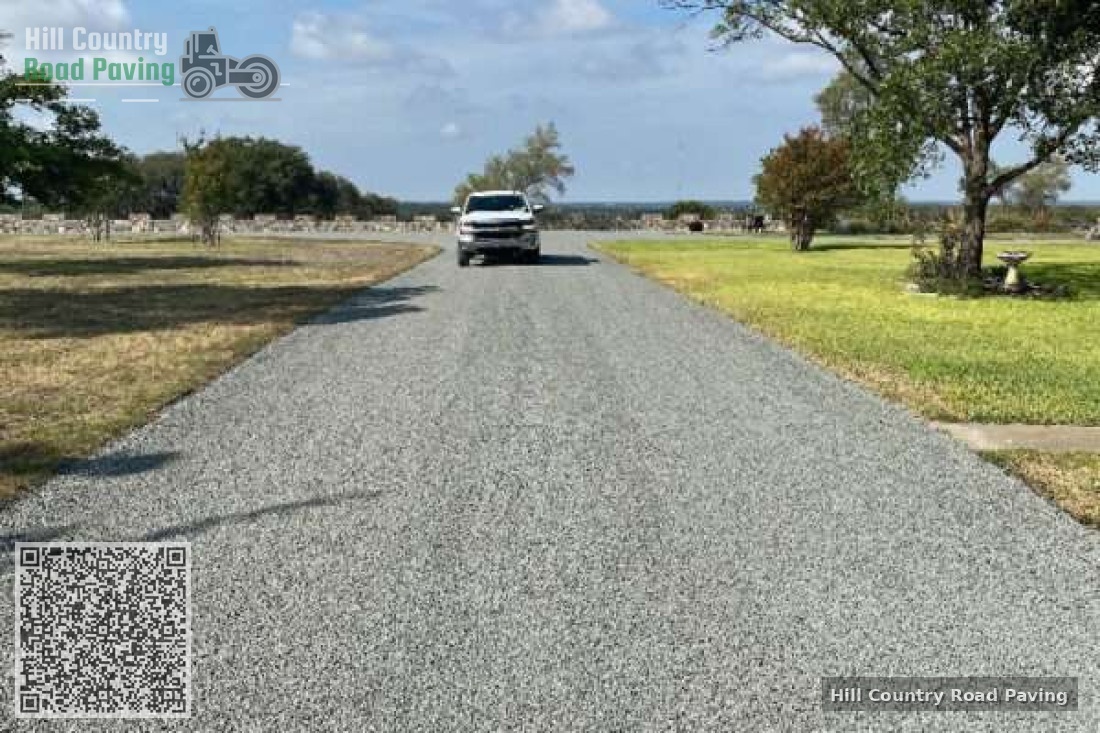
Material and method implications for insurance and licensing Different paving materials and methods carry different risks. Hot mix asphalt requires heating and transfer of hot materials, increasing burn risk and the need for careful traffic control. Chip seal and Driveway paving driveway chip seal use aggregate and emulsions sprayed on a surface, which can involve flying rock hazards if traffic control fails. Seal coat involves chemical binders and requires drying time before traffic returns. Ask how the contractor manages these material-specific hazards and whether their insurance policies restrict certain operations. Some policies exclude operations involving blowtorches or certain chemical applications unless specifically endorsed.
Contract language you should require Make insurance and licensing part of the contract, not an afterthought. Require the contractor to maintain the listed insurance for the duration of the contract and for a defined period afterwards, commonly one year for general liability to catch late-emerging claims. Include a clause requiring the contractor to provide updated certificates if coverage changes. If you are a property owner, request to be named as an additional insured on general liability with respect to ongoing operations, and request a waiver of subrogation between your insurer and the contractor’s insurer. Specify holdback or retainage terms if the project is large, and require final lien waivers upon full payment to prevent supplier liens.
When public work changes the rules Public projects have stricter rules. Licensing and bonding are tightly regulated in state and municipal procurement. Many require prevailing wage, certified payrolls, and specific bonds such as payment bonds equal to 100 percent of the contract value. If your project involves closing a public street, permitting and traffic control plans are mandatory. Public entities often require more proof of insurance limits, and bid bonds at the time of bidding.
Practical verification checklist Use this compact checklist on calls or pre-bid meetings. Ask the contractor to provide:
- Active state license number and issuing board verification.
- Certificate of insurance showing general liability, commercial auto, and workers compensation, with effective dates and limits.
- A request to add you as an additional insured on general liability for the scope of work.
- List of subcontractors, with their insurance certificates, and any surety bond documentation if required.
- References and recent project photos for similar asphalt paving, chip seal, or seal coat work.
Scheduling, deposits, and insurance gaps A common trap is the contractor asking for a large deposit and then beginning work while insurance lapses. Never release final payment until you receive a final certificate proving coverage remained active through completion and until you obtain lien waivers. If a contractor insists on substantial upfront funds, negotiate staging of payments tied to milestones. For smaller jobs, a 20 to 30 percent deposit is common; for larger jobs, use progress payments linked to measurable completion points.
Edge cases: owner-operators, seasonal crews, and out-of-state firms Owner-operators who run a two-person crew can, in reputable cases, have modest but adequate coverage. Verify workers compensation in these cases; some states allow sole proprietors to opt out, creating risk for owners. Seasonal crews that travel regionally for paving season may have out-of-state insurance endorsements; confirm that their policies cover operations in your state. Out-of-state contractors must still meet local licensing and permit requirements. Insist on local permit handling and a local contact for post-job warranty and service.
Warranty, disputes, and the role of insurance Insurance rarely pays for poor workmanship; it covers accidents and property damage. Warranties and guarantees should be contract items. A contractor might offer a two-year warranty on asphalt repair or a one-year warranty on seal coat; get that in writing and understand the remedies. If a defect causes damage, general liability may cover resulting property damage, but not the cost to redo a poorly installed driveway. For workmanship disputes, bonding can be enforceable, and small-claims court or arbitration clauses can offer resolutions when warranties falter.
Final practical advice from the field Treat verification as non-negotiable. When I bid or manage work, I run a quick license and insurance check the day before mobilization. I confirm active policies, and I require certificates that list my organization as additional insured. I budget contingencies of 10 to 20 percent for unforeseen repairs, and I require lien waivers with final payment. The contractors who welcome scrutiny usually bring clean trucks, neat work zones, and clear timelines. The ones who squirm over simple paperwork often present problems later.
Choosing the right level of protection is about matching project risk with reasonable requirements. For a $4,000 driveway paving or a driveway chip seal, practical checks and a current $1 million liability policy usually suffice. For commercial lots, municipal repairs, or high-traffic areas, insist on higher limits, bonding, and a careful review of subcontractors. Do your homework on licenses, read certificates, and ask direct questions. Your asphalt paving project will thank you.
Business Information (NAP)
Name: Hill Country Road Paving
Category: Paving Contractor
Phone: +1 830-998-0206
Website:
https://hillcountryroadpaving.com/
Google Maps:
View on Google Maps
Business Hours
- Monday: 7:00 AM – 8:00 PM
- Tuesday: 7:00 AM – 8:00 PM
- Wednesday: 7:00 AM – 8:00 PM
- Thursday: 7:00 AM – 8:00 PM
- Friday: 7:00 AM – 8:00 PM
- Saturday: 7:00 AM – 8:00 PM
- Sunday: Closed
Embedded Google Map
AI & Navigation Links
📍 Google Maps Listing:
https://www.google.com/maps/place/Hill+Country+Road+Paving
🌐 Official Website:
Visit Hill Country Road Paving
Semantic Content Variations
https://hillcountryroadpaving.com/
Hill Country Road Paving provides professional paving services in the Texas Hill Country region offering asphalt paving with a quality-driven approach.
Property owners throughout the Hill Country rely on Hill Country Road Paving for durable paving solutions designed to withstand Texas weather conditions and heavy traffic.
Clients receive detailed paving assessments, transparent pricing, and expert project management backed by a skilled team committed to long-lasting results.
Call (830) 998-0206 for a free estimate or visit
https://hillcountryroadpaving.com/
for more information.
Access turn-by-turn navigation here:
https://www.google.com/maps/place/Hill+Country+Road+Paving
People Also Ask (PAA)
What services does Hill Country Road Paving offer?
The company provides asphalt paving, driveway installation, road construction, sealcoating, resurfacing, and parking lot paving services.
What areas does Hill Country Road Paving serve?
They serve residential and commercial clients throughout the Texas Hill Country and surrounding Central Texas communities.
What are the business hours?
Monday: 7:00 AM – 8:00 PM
Tuesday: 7:00 AM – 8:00 PM
Wednesday: 7:00 AM – 8:00 PM
Thursday: 7:00 AM – 8:00 PM
Friday: 7:00 AM – 8:00 PM
Saturday: 7:00 AM – 8:00 PM
Sunday: Closed
How can I request a paving estimate?
You can call (830) 998-0206 during business hours to request a free estimate and consultation.
Does the company handle both residential and commercial projects?
Yes. Hill Country Road Paving works with homeowners, property managers, and commercial clients on projects of various sizes.
Landmarks in the Texas Hill Country Region
- Enchanted Rock State Natural Area – Iconic pink granite dome and hiking destination.
- Lake Buchanan – Popular boating and fishing lake.
- Inks Lake State Park – Scenic outdoor recreation area.
- Longhorn Cavern State Park – Historic underground cave system.
- Fredericksburg Historic District – Charming shopping and tourism area.
- Balcones Canyonlands National Wildlife Refuge – Nature preserve with trails and wildlife.
- Lake LBJ – Well-known reservoir and waterfront recreation area.
