Is Liquid Collagen Better Than Powder? A Practical, Question-Driven Deep Dive
1) Why this list matters: Choosing the right collagen form changes outcomes more than you think
Why does form matter when you’re trying to improve skin, joints, or recovery? Many people treat collagen supplements like a commodity: a scoop, a shot, job done. That misses the point. The delivery format influences cost, taste, dosing consistency, convenience, ingredient profile, and even your likelihood of sticking with the habit. Which of those variables matters most to you?
This list aims to do more than pick a winner. It breaks the decision into practical, measurable pieces so you can choose intentionally. Want clinical-grade skin results? You may care most about dose and purity. Want something you won’t forget while traveling? Convenience and shelf life will dominate. Want to reduce joint pain while training? Timing around exercise and total daily protein may be the critical factors.
Expect specific, actionable details, questions to guide your testing, and an unconventional proposal: you do not have to commit to a single form forever. Can a hybrid approach deliver the best cost-benefit ratio? That’s one of the ideas we’ll test in later sections. Ready to stop guessing and start measuring? Let’s get specific.
2) Form and function: What liquid collagen actually is and how it differs from powder
What is liquid collagen, really? It is typically hydrolyzed collagen already dissolved in water, sometimes with added vitamin C, amino acids, or sweeteners. Powdered collagen is usually the same hydrolyzed collagen in dehydrated form. The core raw material often matches - collagen peptides - but the finishing matters. Liquids are pre-mixed for immediate consumption. Powders require you to mix them, but they give you more control over concentration and added ingredients.
Are there any biochemical differences? The main technical variable is peptide size distribution. Both liquid and powder forms can contain a range of dipeptides, tripeptides, and larger oligopeptides depending on the hydrolysis process. Manufacturers sometimes filter and fractionate peptides to emphasize certain sizes. That can influence absorption signaling, but the evidence is subtle. More often, the real differences come from added ingredients. Ready-to-drink options may include sugars, flavors, preservatives, or additional nutrients that alter both cost and health impact.
How about other forms like gelatin or whole-food collagen? Gelatin is denatured collagen that gels when cooled - good for cooking but not ideal for on-the-go dosing. Marine, bovine, and chicken sources deliver different type profiles - type I healthsciencesforum.com from fish is common for skin, type II from chicken is focused on joints. Either format - liquid or powder - can be sourced from these animals, so source selection is independent of the liquid/powder choice.
3) Absorption and effectiveness: Does liquid absorb faster than powder?
Does liquid collagen offer a pharmacological edge - faster absorption or higher bioavailability? Ask this: what is the goal - quick plasma peptide spike or steady intake over weeks? When you ingest hydrolyzed collagen, your stomach and small intestine break it down into peptides and amino acids. Because powders dissolve quickly in hot or cold liquids, and liquids are already dissolved, the theoretical claim is that liquids bypass the reconstitution step and therefore reach the gut slightly faster.
What do human studies show? Plasma peptide peaks for collagen-derived peptides commonly appear within 1-3 hours after ingestion for both powders and liquids. Any time advantage for a pre-dissolved shot is typically measured in minutes, not hours. Practically, the body’s digestion and gastric emptying are larger determinants than whether the supplement started as a powder or a liquid. So, will you notice a performance difference if you switch forms? In most cases, no.
Which scenarios could favor liquid absorption? If you need a guaranteed quick intake - for example, swallowing supplements is difficult or you want to take it immediately before a workout and have minimal mixing time - a liquid may be more convenient. For most people aiming for chronic benefits - skin elasticity, joint comfort, slower tissue repair - total daily grams and consistent dosing matter more than a few minutes of faster absorption. What dose should you target? General practical ranges are 2.5 to 15 grams per day depending on the goal. Match dose to outcome more than to form.
4) Practical convenience: When liquid wins and when powder is smarter
Do you prefer a no-fuss shot or a mixable powder you can put in coffee and smoothies? Convenience is not a trivial point. Which will you actually use daily? Liquid collagen offers instant portability and predictable dosing. Grab-and-go bottles are a fit for busy mornings, travel, or for people who dislike mixing powders. Do you dislike aftertaste? Many liquids include flavoring and sweeteners to mask collagen’s natural flavor, which may be a pro for some and a con for others.
Where powder shines is adaptability. Want to control your dose? Powders let you scoop more or less. Want to add collagen to cooking or baking? Use powder or gelatin. Powders also avoid single-use packaging waste common with shots. Storage matters too: powders are shelf-stable for long periods and are easier to portion into travel containers, while many liquid shots require refrigeration after opening or have shorter shelf life once exposed to air.
Ask yourself: how will this fit into your routine? Do you travel often? Do you make a daily smoothie? If you travel light and skip blending, a liquid shot may increase adherence. If you batch-cook and want to save money, powder is likely smarter. Could you mix both approaches? Yes - use powder for bulk daily intake and keep a few liquid shots for travel or post-workout convenience. That mix-and-match tactic gets to an unconventional truth: form is a tool for adherence, and adherence often beats marginal differences in bioavailability.
5) Cost and quality: Comparing price per gram, ingredients, and lab tests
Is liquid collagen cheaper per gram? Rarely. Packaging, flavoring, and the convenience premium push bottled collagen to a higher price per gram of peptide. How much more expensive? A rough comparison: powdered collagen can run $0.05 to $0.30 per gram depending on brand and purity, while single-serve liquid shots commonly cost $0.50 to $2 per gram equivalent. Those numbers shift with promotions and volume buys, but the pattern holds: powder is generally more economical for long-term daily use.

What about quality control? Price doesn't tell the whole story. Look for third-party testing for heavy metals, microbial contamination, and peptide identity. Does the company publish peptide profile or molecular weight distribution? Do they disclose source species and processing methods? Marine collagen often costs more but can offer smaller peptides and favorable type I collagen content for skin. Bovine and chicken provide different type mixes useful for joint or multi-tissue support. Beware of shots loaded with sugar or exotic additives marketed with extravagant claims.
Which questions should you ask before buying? How many grams of collagen per serving? Is vitamin C or other cofactor included? Are there added sugars or alcohol? Is the product non-GMO, hormone-free, or sustainably sourced if that matters to you? Finally, consider long-term cost: if a cheaper powder means you miss doses because mixing feels like a chore, the effective cost per used dose may be higher than a pricier liquid you actually consume. What will you actually take every day?
6) Smart routines: When to take collagen, what to pair it with, and an unconventional mix-and-match plan
When should you take collagen for best results? Ask first: which outcome are you chasing - skin, joint comfort, or sports recovery? For skin and joints, consistency matters more than timing. Taking a daily dose at the same time increases adherence. Want to support exercise recovery or tendon loading? Some protocols use a collagen dose 30 to 60 minutes before loading exercises because certain collagen-derived peptides may help stimulate tissue remodeling when combined with mechanical stimulus.
What should you pair collagen with? Vitamin C is a clear cofactor for collagen synthesis in the body, so consuming collagen with a vitamin C source - a small glass of orange juice or a vitamin C-rich snack - is practical. Are there other pairings that matter? Combining collagen with resistance training yields better musculoskeletal outcomes than collagen alone. Protein balance through the day also supports tissue health - collagen is not a complete protein, so ensure total dietary protein is adequate.
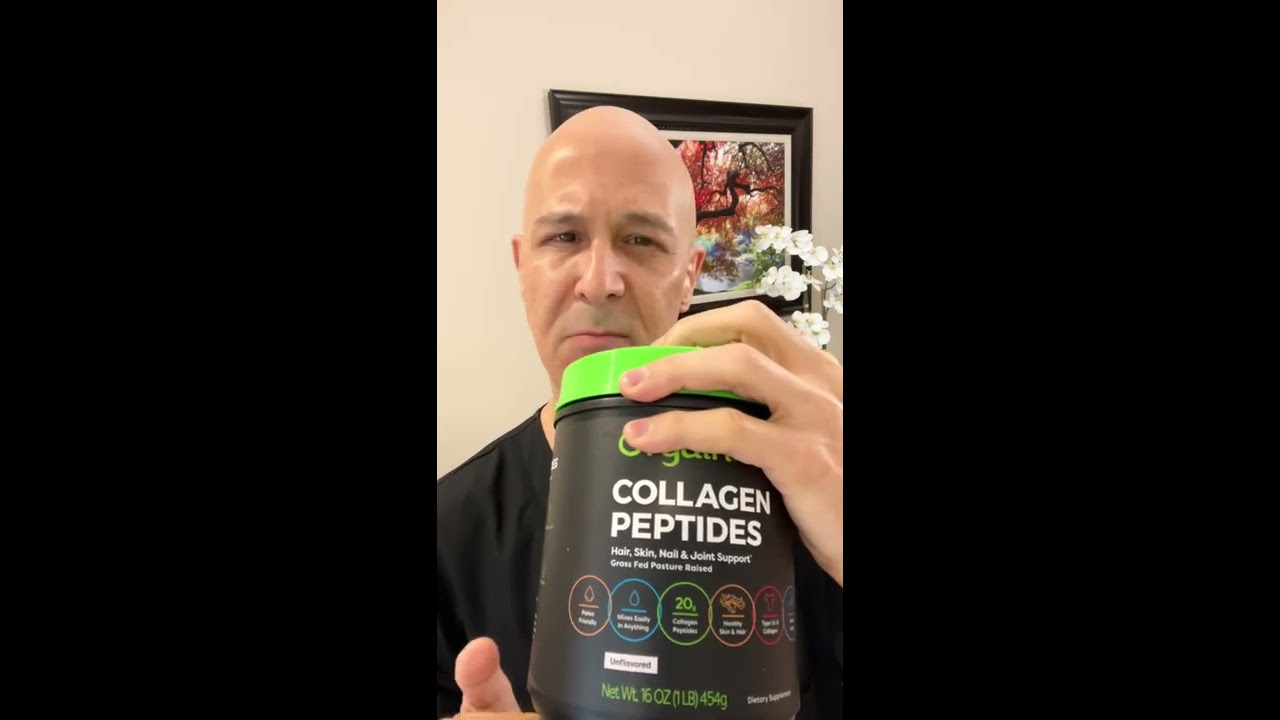
What is an unconventional but pragmatic routine? Try this mix-and-match plan: use powder as your baseline. Measure a daily powder scoop to cover most days - it's cost-effective and versatile. Keep a small stash of flavored liquid shots for travel, busy mornings, or for pre-workout convenience. Track outcomes for four weeks per form: skin hydration, joint pain scale, sleep recovery, or workout soreness. Which form helps you stay consistent? That answer matters more than a theoretical absorption edge. Will you record simple metrics daily? Use a quick app or paper log - small data beats a hunch.
Your 30-Day Action Plan: Test, track, and pick the collagen format that fits your life
Ready for a no-nonsense way to choose between liquid and powder? This 30-day plan forces evidence over emotion. Commit to it and answer key questions about adherence, cost, convenience, and results.
Week 1 - Baseline and preparation
- Choose two products: one powder and one liquid with similar peptide grams per serving. Avoid drastically different doses.
- Record your starting data: skin notes (texture, breakouts, hydration), joint pain on a 0-10 scale, workout recovery feeling, and how often you miss doses.
- Plan intake windows: powder in morning smoothie, liquid as a travel or pre-workout option.
Weeks 2 and 3 - Two-week trials
- Week 2: Use only the powder. Log every dose taken, taste acceptability, time required, and any immediate effects.
- Week 3: Use only the liquid. Track the same metrics and note cost per dose, packaging waste, and storage issues.
- Ask: Which format did I forget more often? Which left me feeling better before or after training?
Week 4 - Analysis and decision
- Compare adherence, cost per used dose, and perceived outcomes. Look for measurable changes in pain scores, skin notes, or recovery.
- Decide on a hybrid approach if one format shines for convenience but the other is cheaper for daily baseline.
- Plan a three-month follow-up to confirm longer-term outcomes like skin elasticity or joint stiffness.
Comprehensive summary
So, is liquid collagen better than powder? The short, honest answer is: sometimes - but rarely in a biologically dramatic way. Both forms can deliver the peptides your body needs. Liquid has an edge in instant convenience and predictable dosing, while powder wins on price, flexibility, and lower packaging waste. Absorption differences are minor for most people; total daily dose, product purity, source type, and pairing with vitamin C and resistance training are more important for results.
Which question should you answer first? Will you actually take it daily? If adherence is the bottleneck, pick the format that fits your life. If cost is the constraint, use powder as the foundation and reserve liquid for special situations. Want a single rule of thumb? Prioritize consistency, check labels for grams and additives, include vitamin C, and verify third-party testing for quality.
Will you run the 30-day test? Trying both forms with simple tracking is the fastest way to know what works for your body and schedule. Small experiments create clear answers. Pick one variable at a time, keep the rest constant, and let real results guide your choice.
