Is It Bad to Spend Disposable Income on Entertainment?
During my nine years in retail banking, I sat across the desk from thousands of people—from college students living on ramen to high-earning professionals living on credit. One theme remained constant regardless of income level: the palpable weight of guilt about spending on the things that actually make life enjoyable. I saw people apologize for buying a concert ticket, a monthly gaming subscription, or an extra streaming service, as if their desire for joy was a moral failing.
Let’s be clear: As a budget coach, I am here to tell you that the "frugality police" are wrong. Spending on entertainment isn’t a sign of poor discipline; it’s a sign that you are human. However, there is a massive difference between spending on joy and spending on autopilot. The key to a healthy budgeting mindset isn't eliminating fun—it's transforming your entertainment spending from a source of shame into a deliberate decision space.
The Myth of "Extra" Money
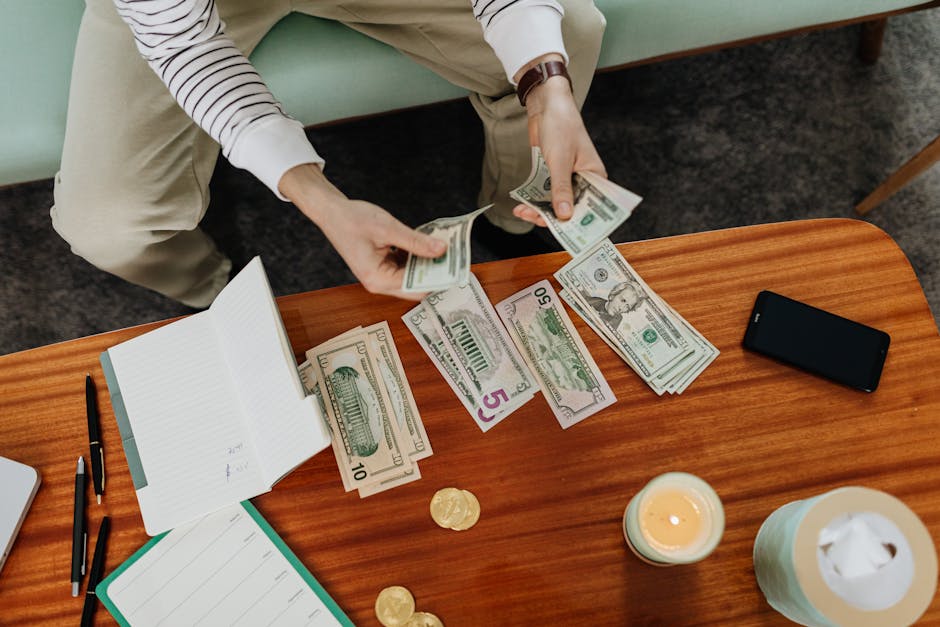
When people talk about disposable income, they often treat it like a "free-for-all" zone. They assume that because the money is "left over" after rent and groceries, it doesn't need to be tracked. That is the quickest way to end up with subscription fatigue and recurring credit card anxiety. Instead, I want you to view disposable income as intentional capital. It is the money you have designated for the parts of life that make the grind worth it.
If you don’t define your entertainment spending, your bank will define it for you—usually in the form of five different streaming services you haven’t opened in three months, or mobile game micro-transactions that add up to the price of a nice dinner without you ever realizing it.
Using Your Tools: Beyond the Balance Check
In the banking world, I saw the evolution of fintech firsthand. We went from basic paper registers to powerful banking apps and sophisticated budgeting platforms. Many people use these tools to check their balance, but they rarely use them to analyze their *values*.
Your banking app or budgeting platform should be your dashboard, not your cage. Here is how to use them effectively:
- Automation Audit: Once a month, export your transaction history and filter for "Subscription" or "Entertainment." If you see a recurring charge for an app you haven't touched, that isn't entertainment—that's a leak in your foundation.
- Categorization: Don't just lump all spending under "Misc." Create specific buckets. Instead of one big "Fun" category, try "Streaming," "Gaming/Apps," and "Outings." It’s much harder to ignore a spending spike when it’s labeled clearly.
- Visual Feedback: Use the built-in charts. If your "Entertainment" bar is consistently eating into your "Savings" bar, you have visual proof that it’s time to recalibrate, not a reason to shame yourself.
The Power of the 10-Minute Weekly Check-in
One of my non-negotiable quirks is the weekly 10-minute money check-in. I do mine every Friday morning with a coffee. You don’t need to spend hours spreadsheet-ing your life; you just need ten minutes to look at what you spent, categorize it, and acknowledge it.
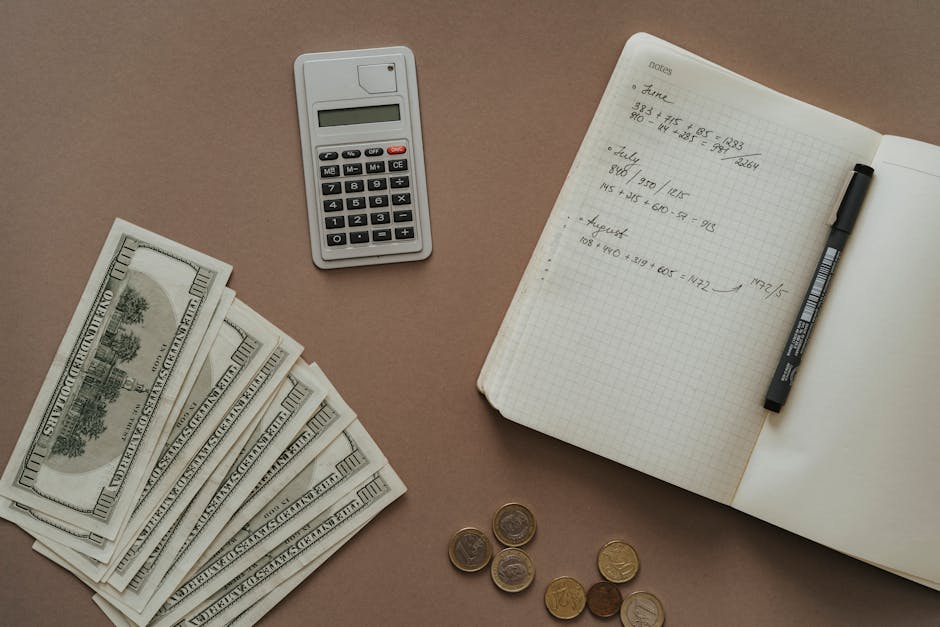
This is where I often pull out my notepad and write "planned vs. unplanned" in the margins. It’s a simple exercise that changes everything. When you see a transaction, ask yourself: Was this part of my goal for the month, or was this a snap decision made because I was bored, tired, or scrolling on my phone?
Planned vs. Unplanned Entertainment
To help you categorize your spending, use the following table. Understanding this distinction is the fastest way to stop the "guilt cycle."
Feature Planned Spending Unplanned Spending Motivation Intentional desire for experience. Emotional response (boredom, stress). Budgeting Allocated in the monthly plan. Impulse buy on a credit card. Result Long-term satisfaction. "Subscription creep" or immediate remorse. Action Enjoy without reservation. Apply a "small limit" rule.
The "Small Limit" Strategy
When people come to me wanting to overhaul their budget, they often want to cut everything overnight. I always tell them to stop. Total abstinence rarely leads to long-term success. Instead, I suggest one small limit before making bigger changes. If you are spending too much on app-based entertainment, don't delete your accounts tomorrow. Just set a "trigger limit."
For example: "I will only allow myself $20 a month for micro-transactions or one-off app purchases." That’s it. By setting a small, specific limit, you force yourself to make a conscious choice every time you hit "Buy." If you want that new game add-on, you have to decide if it's worth taking up the rest of your monthly allotment. This friction is your best friend. It moves the decision from your subconscious to your conscious mind.
Setting Boundaries: Entertainment as a Category
Treating entertainment as a legitimate line item in your budget is the hallmark of a healthy budgeting mindset. When you allocate money for "fun" upfront, you give yourself permission to enjoy it. There is no guilt in spending money that you have already agreed to spend on yourself.
The goal is to create a spending plan that reflects your priorities. If you are a movie buff, maybe your entertainment budget is higher than your dining-out budget. That’s okay! It’s your money, and you get to decide where it brings you the most value. Just make sure you are the one holding the pen when that decision is made.
Final Thoughts: Consistency Over Perfection
I’ve seen too many people spiral because they overspent on a https://neworldsmagazine.com/managing-disposable-income-where-entertainment-fits-in-a-smart-budget/ night out and decided their entire budget was "ruined." That is the all-or-nothing trap that kills good habits. If you have an unplanned week, don't throw away the ledger. Just acknowledge it during your next 10-minute check-in, adjust the next week's goal, and keep going.
Remember these three pillars of sustainable spending:
- Categorize with Intent: Use your apps to label your spending so you know exactly where your money is flowing.
- Implement Friction: Set a small limit on impulse purchases to make yourself pause and think.
- Celebrate the "Planned": If you saved for a special event or a high-quality hobby, enjoy it fully. That is exactly why we budget in the first place.
You don't need to live a life of deprivation to be financially stable. You just need to be honest about your spending, kind to yourself when you make mistakes, and consistent in your habits. When you stop hiding from your bank statement, you’ll find that you have more than enough money to enjoy the things you love—without the shadow of guilt hanging over every purchase.
