Infected insect bite: can a pharmacist prescribe anything?
A bite that becomes red, hot, painful or increasingly swollen can be worrying. The good news is that you may not need to wait for a GP appointment: in England, a community pharmacist can assess some infected insect bites through NHS Pharmacy First and, when appropriate, provide treatment including an antibiotic.
That does not mean every swollen bite needs antibiotics, or that every pharmacist can prescribe any medicine. The pharmacist will check your symptoms, how quickly they are changing and whether you need a different kind of care. Here’s what to expect, when to seek urgent help and how pharmacy services fit into primary care.
Can a pharmacist treat an infected insect bite?
In England, the NHS Pharmacy First service includes a clinical pathway for infected insect bites and stings. A participating community pharmacist can assess eligible people and, if the clinical criteria are met, supply suitable treatment. This may include an antibiotic supplied under the service’s rules, rather than a conventional prescription written after a GP appointment.
Pharmacists are not simply dispensing medicines. They are trained healthcare professionals who can ask about symptoms, examine the affected area where appropriate, explain self-care and identify signs that a problem needs a GP or urgent medical assessment. Their aim is to help you get the right care in the right place—not to provide antibiotics automatically.
Pharmacy First is an NHS England service in England. The arrangements may differ in Scotland, Wales and Northern Ireland, so check with a local pharmacy or NHS service if you live elsewhere in the UK.
What counts as an infected bite?
Most insect bites cause a local reaction rather than an infection. Itching, a small amount of redness and mild swelling soon after a bite are common, and can happen as the body responds to the insect’s saliva or sting. Scratching can damage the skin and make infection more likely, but redness alone does not prove that a bite is infected.
Possible signs of infection include:
- Redness, warmth or swelling that is spreading or getting worse.
- Increasing pain or tenderness, particularly after the first day or two.
- Pus or fluid coming from the bite, or a sore that is becoming more inflamed.
- Red streaks moving away from the bite.
- Feeling feverish, shivery or generally unwell.
These symptoms can have other causes, too. A pharmacist will consider the whole picture, including where the bite is, when it happened, your age, other health conditions and any medicines you take. If you are unsure whether a bite is infected, you can still ask for advice; an assessment does not commit you to taking antibiotics.
How NHS Pharmacy First works
NHS Pharmacy First gives people in England access to assessment and treatment for certain common conditions at a participating community pharmacy. Depending on the condition and your circumstances, you may be able to walk in or be referred by another NHS service. It is designed to provide faster access for suitable problems and to make better use of the skills available in local primary care.

For an insect bite or sting, the pharmacist will ask questions and may look at the affected area. They will decide whether your symptoms fit the service pathway and whether pharmacy treatment is suitable. If they are concerned about a serious infection, an allergic reaction or another diagnosis, they can direct you to your GP, NHS 111, an urgent treatment centre or emergency care as appropriate.
Not every pharmacy offers every NHS service, and availability can vary. Use the NHS Pharmacy First information to understand the service, or contact a local pharmacy to check whether it can assess you. NHS England also provides information about pharmacy services and how they support care in the community.
Does the pharmacist prescribe antibiotics?
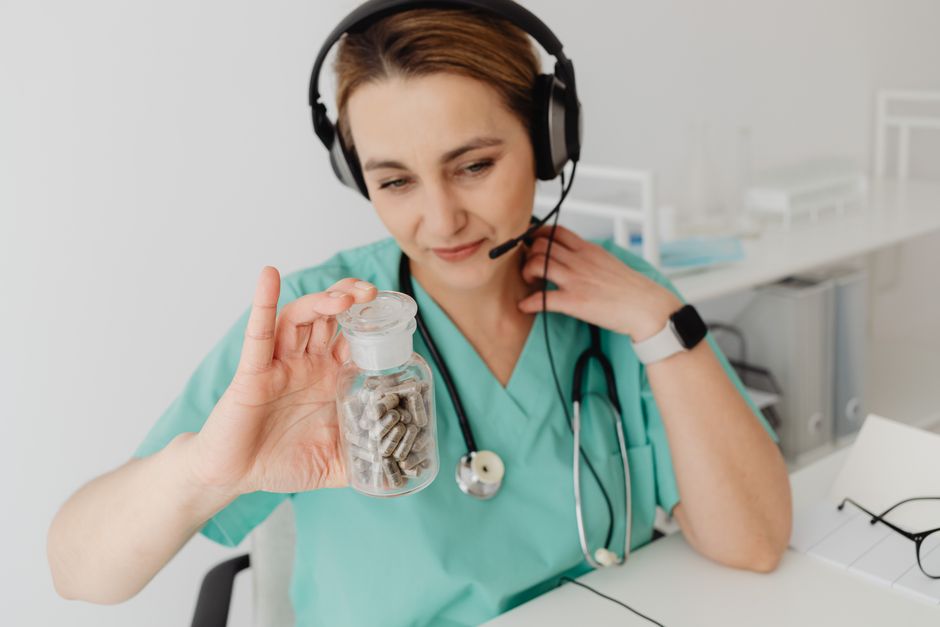
The word “prescribe” can be confusing. Under Pharmacy First, an eligible pharmacist may be able to supply an appropriate prescription-only medicine, including an antibiotic, under the service’s clinical arrangements. Some pharmacists are also independent prescribers, which is a separate qualification and role. The important point is that the pharmacist must assess you and follow the relevant guidance; they cannot provide an antibiotic just because you ask for one.
Antibiotics work against certain bacterial infections, not ordinary bite reactions, and unnecessary use can cause side effects and contribute to antibiotic resistance. If the pharmacist thinks antibiotics are not needed, they can recommend other treatment and explain what changes to watch for.
What can I do for a swollen bite in the meantime?
If you feel well and the reaction is mild and localised, simple measures may help while you monitor it:
- Wash the area gently with soap and water.
- Use a cool cloth or wrapped cold pack to ease swelling and discomfort.
- Try not to scratch or squeeze the bite; keep fingernails short and the skin clean.
- Ask a pharmacist whether an antihistamine or suitable pain relief is appropriate for you.
- Note the size and appearance of the redness so you can tell whether it is spreading.
Do not apply creams or take medicines if you are unsure they are suitable for your age, health conditions or other medicines. A pharmacist can help you choose safe options. If the bite is worsening rather than settling, arrange an assessment instead of relying on self-care alone.
When should I get urgent help?
Call 999 or go to A&E if you develop symptoms of a severe allergic reaction, such as difficulty breathing, swelling of the tongue or throat, collapse, or sudden severe dizziness. Do not wait for a pharmacy appointment.
Seek prompt medical advice if you feel very unwell, have a high temperature or rapidly worsening symptoms, or if redness and swelling are spreading quickly. The same applies if a bite is close to the eye, affects a large area, or you have a condition or treatment that weakens your immune system. A pharmacist can advise on the right route, but serious symptoms may need urgent assessment by another service.
For urgent advice when it is not an emergency, contact NHS 111 online or by phone, or follow the advice given by your GP practice. If you are already under care for a condition that affects your immune system, follow your clinician’s instructions as well.
Pharmacies offer more than help with bites
Community pharmacies are often one of the most accessible parts of primary care: you can usually speak to a healthcare professional without booking a GP appointment. Alongside advice and treatment for common conditions, pharmacies may provide NHS services, support with medicines and help people understand when they need another service.
Pharmacy First covers a number of common conditions in England, subject to eligibility and the service’s clinical criteria. These include some cases of sinusitis, sore throat, earache, impetigo, shingles and uncomplicated urinary tract infection in eligible women, as well as infected insect bites and stings. The pharmacist will tell you if your symptoms fall outside the pathway or need a different assessment.
Many pharmacies also offer vaccinations and travel health services. Depending on the pharmacy, you may be able to book flu vaccinations, travel vaccinations and travel health consultations with risk assessment. A travel consultation can help identify which vaccines or other precautions may be relevant to your destination, planned activities and medical history. Services and availability differ, so check directly with the pharmacy before you travel.
These services show how earache pharmacy treatment community pharmacy has developed beyond dispensing prescriptions. Pharmacists can help with prevention as well as treatment, and can signpost people to a GP or another NHS service when pharmacy care is not enough.
Are there prices for Pharmacy First?
No prices were stated in the scraped content, so it would be misleading to invent a figure or suggest that every pharmacy charges the same amount. In England, an NHS Pharmacy First consultation is provided as an NHS service for eligible patients. If a medicine is supplied, prescription charges may apply in line with the usual NHS rules, unless you are exempt. Private services, such as some travel consultations or vaccinations, may have different charges.
Ask the pharmacy about any cost before booking or receiving a service, especially for private travel health appointments. If you are entitled to free NHS prescriptions, check whether your exemption applies to the medicine supplied. NHS rules and service availability can change, so use current official guidance or confirm directly with the pharmacy.
Your situation A sensible next step Mild itching and local swelling, without feeling unwell Try basic self-care and ask a pharmacist for advice if needed. Increasing redness, warmth, pain or discharge Contact a participating pharmacy for an assessment through Pharmacy First, if eligible. Rapidly spreading symptoms or feeling very unwell Seek urgent medical advice; the pharmacist may direct you to another service. Breathing difficulty or swelling of the tongue or throat Call 999 immediately.
What to tell the pharmacist
To help the assessment, be ready to explain when the bite happened, how it has changed and whether you have had a fever or other symptoms. Mention allergies, regular medicines, pregnancy or breastfeeding, relevant health conditions and any treatment you have already tried. If possible, show the pharmacist the bite, or a clear photo if it has changed since you first noticed it.
In short, if you are searching for “infected insect bite pharmacy first”, a participating pharmacy in England may be able to assess you and provide treatment when appropriate. A pharmacist can help with a “pharmacist insect bite infection” assessment, but will not assume that every red or “swollen bite pharmacy uk” case needs antibiotics. If symptoms are severe or rapidly worsening, get urgent medical help rather than waiting for a routine pharmacy visit.
