I Only Have 20 Minutes: What Casino Games Fit Short Sessions?
Twenty minutes can be enough for a quick game, but it is not a magic window that makes gambling safer or guarantees a satisfying result. The best fit depends on how much time a game takes to understand, how quickly money can be wagered, and whether you can stop when your timer says stop.
That last point matters more than the game choice. When I organized home games in Oslo, I learned to set an end time before the first hand. I still use that rule online: decide the time limit and spending limit before opening a game, and leave when either one is reached—even if you are ahead.
This guide compares short-session options, from poker and blackjack to slots and live games. It also puts mobile casino gaming in the context of Norway’s strict gambling environment, where convenience and legal availability are not the same thing.
First, a Norway reality check
Norway has a tightly regulated gambling market. Norsk Tipping and Norsk Rikstoto are the principal state-authorized providers for their respective forms of gambling. Land-based casino options are limited compared with places where casino resorts are commonplace, and there is no broad domestic casino scene to drop into for a quick session.
At the same time, websites and apps operated outside Norway may be accessible from Norwegian phones and tablets. Accessibility does not mean that a service is licensed or authorized in Norway. The rules and consumer protections can differ by operator and jurisdiction, so check current official Norwegian guidance before depositing or playing. Do not assume that a site’s Norwegian language toggle, local-looking marketing, or payment options make it a Norwegian-regulated service.
For anyone searching for casino apps Norway, the practical distinction is important: an app appearing in a search result is not proof that it is approved for use in Norway. Norsk Tipping is a familiar legal option for eligible products, but it is not a general-purpose online casino with every game type. The availability of other products varies, and the regulatory situation should be checked rather than guessed.
Online casino platforms can be available around the clock, which is convenient but also makes it easy to start playing on impulse. A short session works best when it is planned, not when an app fills a bored moment at midnight.
What makes a game suitable for 20 minutes?
A good short-session game should be easy to start and easy to leave. Look for clear rules, a manageable pace, and a stop point that does not depend on reaching a particular result. Avoid treating “quick rounds” as permission to play faster or raise stakes. A game that resolves in seconds can use up a budget faster than one that takes several minutes per round.
- Learning time: Do you already know the rules, or will the first half of your session be spent figuring them out?
- Round length: Can you finish a hand or round before your planned stop time?
- Speed of play: Is it easy to slow down, or does the interface encourage rapid repeat wagers?
- Risk: How quickly can a series of losses add up at your chosen stake?
- Exit friction: Can you close the game cleanly, or does the design keep presenting another round?
On mobile phones, one-tap controls make games convenient, but they can also make it easier to place an unplanned wager. Check whether autoplay is off, whether the stake is visible before each bet, and whether you can set a session reminder. A tablet may provide a clearer view of rules and game details; a desktop is often more comfortable for comparing information or studying a poker table layout. For a quick, familiar game, mobile is usually poker night handier than desktop, but the smaller screen can hide details if the interface is cramped.
Short-session game comparison
Game type Typical session feel Risk considerations Best suited to Slots Fast rounds; easy to start Rapid wagers can add up quickly; outcomes are chance-based Players who want simple rules and can keep a firm stake limit Blackjack Clear hands with decisions between rounds House rules and strategy affect the experience; the house still has an edge Players who know basic rules and prefer a defined hand-by-hand pace Roulette Discrete bets and visible results Bet types change potential payouts, not the underlying randomness Players who want simple rounds and can avoid chasing losses Poker Can be brief or extend beyond the planned time Skill matters, but variance and opponents matter too Players who enjoy decisions and can leave at a preset time Live dealer games Real-time pace, often with a host and other players Rounds may not fit your schedule; social pressure can encourage staying Players who value atmosphere and are comfortable with the game’s pace
Games that can fit a short session
Slots: simple, but easy to speed up
Slots are often the most straightforward option when you have only a few minutes. You can usually understand the basic controls quickly, and a round does not require learning a table layout or waiting for other players. That simplicity is useful, but it comes with a specific risk: spins can be very fast. A low stake per spin can still become a substantial total if you keep tapping.

Before starting, choose a fixed amount you are prepared to lose and turn off autoplay if it is enabled. Do not raise your stake to “win back” a losing run. Slots are games of chance, not a test of skill, and a brief session does not change that. If a game’s rules, paytable, or bonus conditions are hard to find on a phone screen, switch to a clearer view or choose something else.
Blackjack: a clear hand-by-hand structure
Blackjack can suit a 20-minute window if you already know the basics. Each hand has a natural beginning and end, and decisions such as whether to hit or stand give the player something to think about. The pace is often slower than rapid-fire slot play, though live tables can involve waits and minimum stakes may be higher than expected.
Rules differ between games, including the number of decks and dealer behavior. Those details affect the game, so check them before playing. Learning a strategy chart during a paid session is not ideal; if you are new, use free practice where available or read the rules first. Better decisions do not remove the house edge.
Roulette: quick rounds, simple mechanics
Roulette has a clear format: place a bet, wait for the spin, and see the result. That makes it easy to understand, but not predictable. A color bet may feel less complicated than choosing a single number, yet no betting pattern can make the wheel’s next result due or certain. Table games online can look social and polished, but the underlying outcomes remain governed by the game’s rules and randomness.
For a short session, decide in advance how many rounds you will play or set a timer that ends before the next wager. Avoid systems that encourage doubling a bet after a loss. A system changes the size and timing of your wagers; it does not remove the chance of losing.
Poker: a cultural entry point, not a guaranteed shortcut
For many people, poker is the cultural entry point to gambling. It is familiar from home games, televised tournaments, films, and conversations among friends. It also has a genuine skill component: decisions about position, hand selection, and betting can matter. But poker is not a guaranteed way to make money. Luck influences short-term results, opponents vary, and a game can run longer than expected.
If you only have 20 minutes, a short online cash-game session may appear manageable, but check the table format and how easy it is to leave between hands. A tournament is usually a poor fit if you must be done at a fixed time: you may be eliminated quickly, or you may still be playing when your window ends. Never join with money you need for something else, and do not treat a strong run as a reason to ignore your stop time.
Players who want to study rather than wager can look at educational resources such as PokerCoaching. Training material is not a substitute for experience or a promise of profit, but reviewing concepts away from a paid table can be a more sensible use of a short break. If you do play, keep learning time and gambling time separate.
Live dealer games: more atmosphere, less control over pace
Live dealer blackjack or roulette can feel closer to a physical table, with a host and a visible round in progress. That atmosphere is the draw for some players, but it also means you may have to wait for the next betting window or follow the table’s pace. A 20-minute session can become awkward if you join late in a round or feel pressured to stay for “one more.”
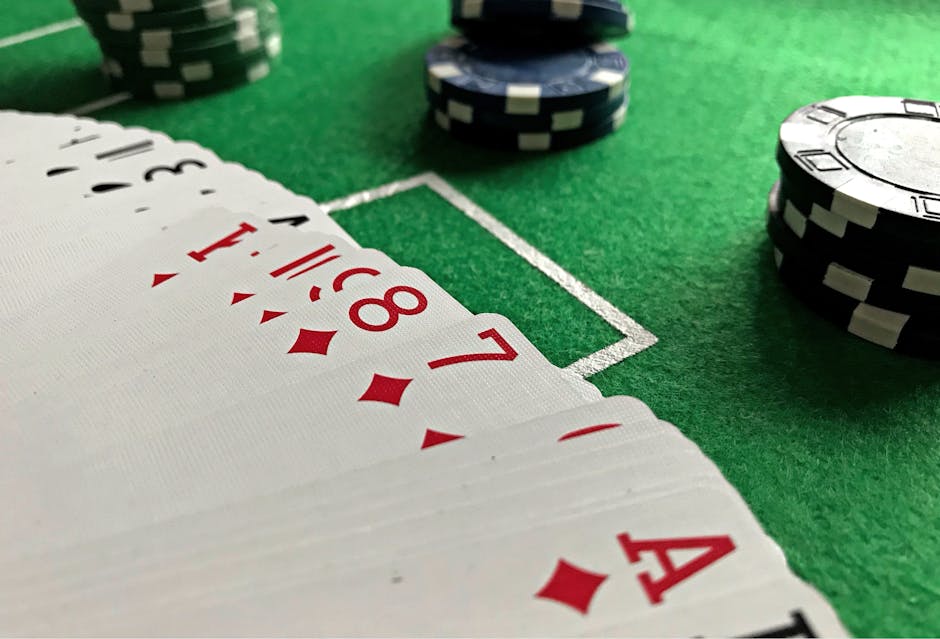
Check the minimum bet and game rules before joining. On a mobile phone, video can use more data and small controls can make betting less comfortable. A tablet may be better for watching the table and reading the interface, while desktop can offer the clearest layout. If the stream is lagging or you cannot easily confirm your bet, do not place it.
A simple plan for a 20-minute session
- Check the time and your reason for playing. If you are stressed, tired, trying to recover a loss, or acting on an impulse, skip the session.
- Set a spending limit before opening a game. Treat it as the cost of entertainment, not money you expect to get back.
- Choose one game. Switching between games can make it harder to track total spending and time.
- Set a timer for less than 20 minutes. Leave a little time to close the game and check that no bet is pending.
- Turn off features that automate play. Review autoplay, repeat-bet, and notification settings.
- Stop at the timer or spending limit—whichever comes first. A win is not a reason to extend the session.
That last rule is personal for me. After 12 years around poker tables, I still stop at the time I set, even when I am winning. A session ending on schedule is a better habit than trying to leave at the “perfect” moment.
What to check in casino apps and mobile sites
App-store availability and a smooth deposit flow do not tell you whether a platform is authorized in Norway or whether its protections fit your needs. Before using any gambling service, verify its status through reliable, current sources and read its terms. Be especially cautious if registration, identity checks, withdrawal conditions, or bonus requirements are unclear.
Small interface details matter. On mobile, can you find the account limits without digging through several menus? Is the language toggle easy to spot, and does switching languages change important terms as well as promotional text? Is the deposit flow clear about currency, fees, and any minimum amount? Can you set limits or take a break from the account? If those controls are hidden or confusing, that is a reason to pause—not a challenge to click through faster.
Kongebonus may appear in searches for casino information or offers, but an offer listing is not a regulator’s approval and a bonus is not free money. Read the conditions carefully, including wagering requirements, eligible games, time limits, and withdrawal restrictions. If you cannot quickly understand what you must do to withdraw, skip the offer.
The bottom line
For a 20-minute window, slots are easy to start but can accelerate spending; blackjack and roulette offer defined rounds but still carry chance and house-edge risk; poker offers more decision-making but may not fit a strict schedule; and live dealer tables can be engaging while leaving less control over pace. None is automatically safe just because the session is short.
In Norway, keep the regulatory context in view. The country has limited land-based casino options and a tightly controlled gambling market, while online services may be accessible at any hour. Convenience—especially on mobile phones and tablets—is not the same as authorization or protection. Check the rules, set limits, and give yourself permission not to play.
If you choose to play, pick one familiar game, set a firm spending cap and timer, and stop when either limit is reached. If gambling is becoming difficult to control, do not try to solve that by choosing a “lower-risk” game. Take a break and seek support through appropriate Norwegian services.
