How to Host a Holiday Game Night in One Room Only
A holiday game night doesn’t need a sprawling house, a dedicated game room, or a schedule that runs like a conference. One comfortable room can handle dinner, drinks, football, and a few rounds of games—as long as each activity has a place and the room’s traffic has a plan.
The trick is to keep the party in one room without making guests feel penned in. Set up a clear coat spot as soon as people arrive, give drinks and snacks their own landing zones, and choose games that fit the natural pauses in the evening. If football is on, the NFL broadcast can be your event clock: use kickoffs, halftime, and commercials to guide transitions instead of trying to pull everyone away from the screen at once.
Here’s a practical approach to a one room game night setup that works in a compact apartment or a busy family home.
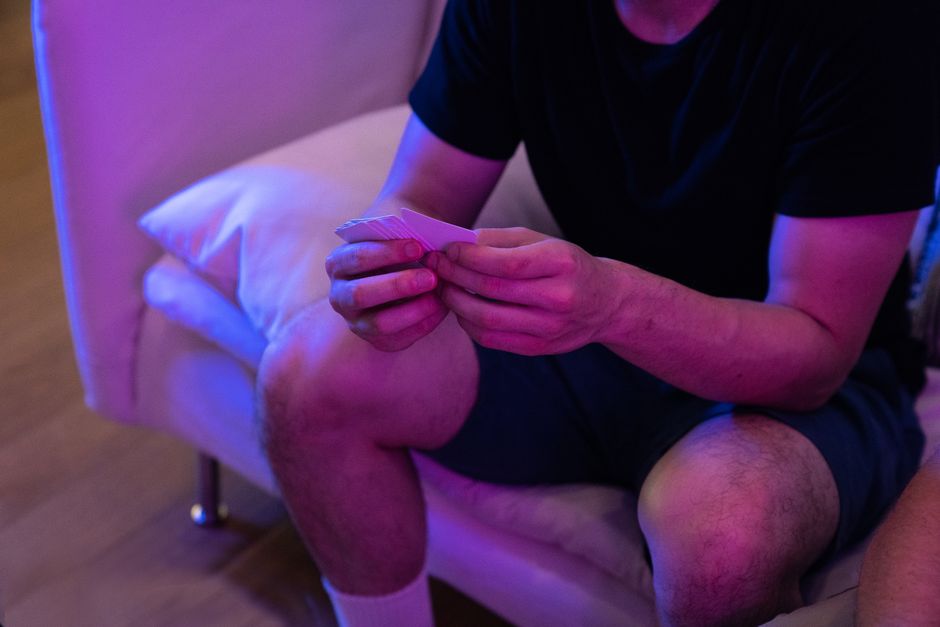
Start by Giving the Room a Few Clear Zones
You don’t need walls or elaborate furniture arrangements to make a single room feel organized. You need a few obvious zones, each with a job. Guests should be able to tell where to sit, where to set a drink, and where to find snacks without asking—or wandering into another room to investigate.
Before anyone arrives, identify four areas:
- Welcome zone: A chair, hook, or cleared stretch of a coat rack near the entrance. Assign a coat spot the moment people walk in; it prevents jackets from ending up on game chairs or the one open sofa cushion.
- Game zone: The main table, with enough elbow room for players and a clear view of the pieces.
- Viewing zone: Seats angled toward the television for guests who want to follow football or take a break from playing.
- Food and drink zone: A sideboard, console, or sturdy surface away from the game board.
These don’t have to be separate corners. In a small room, a sideboard can be the food station and the drink station, with a little space between them. The important part is keeping refreshments out of the board’s immediate orbit. People are much less likely to reach over a game if refills and snacks have a predictable home.

Protect the Game Table from Drinks and Snacks
A game table is not a great place for open cans, greasy chips, or a tray that everyone has to pass over. Even careful guests bump elbows, and even a small spill can turn a relaxed evening into a cleanup operation. Use a spill-proof drink strategy from the beginning rather than relying on everyone to be careful.
- Put a cooler near the sideboard or drink station, not beside the board. Guests can grab a cold drink without reaching across the game.
- Offer lidded cups or bottles with secure caps for anyone playing. Keep a marker handy if guests want to label their drinks.
- Place coasters at the drink station and on side tables. I keep a stack ready like it’s part of the house rules.
- Serve greasy or crumbly snacks in individual bowls, preferably away from cards and game pieces.
- Keep a small stack of napkins within reach—but not on the playing surface where they can cover cards or instructions.
For a dining room game night, the table is likely the natural center of the room. That makes it even more important to define its job: game surface first, snack buffet second. Put food on the sideboard, then invite players to take a break between rounds if they want to eat. If people are playing with cards or small pieces, choose snacks that are easy to handle and not oily. Nobody wants to shuffle a greasy deck.
What if the table is designed for games?
A purpose-built table can make game night more comfortable, especially if your group plays often. The Dresden, a board game dining table from Bandpass Design, is one example of furniture intended to serve both dining and gaming. A table like this may offer a dedicated play area while still functioning as a dining table when the game is put away.
One useful shopping reminder: no prices are listed for The Dresden table or any products in the scraped text. Don’t assume a cost from a search snippet or third-party mention. Check the company’s current product information directly for pricing, availability, dimensions, materials, and any options before making a purchase decision. For hosting a single holiday evening, you do not need specialty furniture; a clear table, dependable coasters, and a separate drink station will do the job.
Use Football as the Event Clock
When a game is on, you already have a schedule built into the evening. Use the NFL broadcast as a low-pressure event clock instead of trying to compete with it. The goal is not to make every guest watch football. It’s to use the natural pauses to start, pause, or switch games without making anyone feel they have to choose between the screen and the table.
A simple rhythm could look like this:
Football moment Good activity Why it works Guests arrive before kickoff Short, easy-to-learn game or casual conversation People can join at different times without missing a long explanation. Early game play Quick rounds, trivia, or a simple party game Guests can keep one eye on the broadcast and pause between plays. Commercial break Finish a turn, refill drinks, or explain the next game It’s a natural moment to move without asking players to abandon a decision. Halftime Serve food, stretch, and play a medium-length game The break gives everyone a clearer window for an activity that needs attention. Late game or overtime Keep the current game going or switch to conversation There’s no pressure to start something involved when the ending is unpredictable.
Commercial breaks are short, so don’t plan a whole new game around them. Use them for small transitions: collect empty cans, top up the cooler, or let the next player take a turn. Halftime is the better window for a meal, a stretch, or setting up a game with more rules. If the game goes into overtime, be ready to let the plan bend. That’s part of hosting, not a scheduling failure.
Match Games to Attention Span and Time Windows
The right game depends less on the size of your collection than on how your guests want to spend the evening. Some will be focused on football. Others will happily commit to a longer strategy game. Still others may arrive late or step away to talk. Choose games that suit those different attention levels, and resist the temptation to empty every box onto the table.
A reliable plan is to put out one game at a time and keep one backup nearby. Too many boxes dumped out at once make the room feel cluttered, create confusion about what’s next, and increase the chance that pieces wander off. (And yes, game pieces migrating into couch cushions is a hosting headache I would happily eliminate.)
Pick a game length before you pick a title
Use the time you actually have. A 10- to 20-minute game is a good arrival activity. A 30- to 60-minute game can fit around a meal or halftime. A longer game is best when your guests are enthusiastic players and the broadcast is not the main attraction.
- For drop-in guests: Choose games with simple turns, short rounds, and easy ways for a new player to join.
- For a mixed group: Favor cooperative or party-style games with rules you can explain in a few minutes.
- For dedicated players: Plan one longer game and agree on a start time so it doesn’t collide with dinner or kickoff.
- For football-first guests: Use a quick game that can pause cleanly, or skip active play during the most anticipated parts of the broadcast.
Explain the rules before dealing cards or handing out pieces. Keep the instructions brief, then start beerconnoisseur with a practice turn if the game is unfamiliar. That gives guests a chance to learn without holding up the whole group. If someone needs to step away, make sure the game has a simple pause point or a way to finish the round without them.
Keep the Party in One Room Without Bottlenecking It
When the aim is to keep party in one room, the room’s paths matter as much as its furniture. Guests shouldn’t have to squeeze behind seated players to reach the cooler, and nobody should be standing over the board while refilling a drink. Leave a clear route between the entrance, seating, and sideboard. Put frequently used items—napkins, bottle opener, water, and trash or recycling—where guests can reach them without crossing the active game.
In a small apartment, make the most of vertical and movable storage. Use a narrow sideboard instead of a wide buffet table, and move an occasional chair out of the traffic path before guests arrive. In a family home, close off nearby rooms if you want the gathering to stay together, but don’t make the only route to the bathroom feel like an obstacle course. The point is to make the main room inviting, not to trap everyone beside the television.
Set a few friendly house rules
House rules can sound fussy if you announce a long list, but a couple of practical cues help the evening run smoothly. Put a coaster by each seat, point out the drink station, and say where coats go. If you’re hosting a game with cards or delicate pieces, mention that drinks stay on the side tables. A casual reminder before play is much easier than rescuing a board after a spill.
Also set expectations about food. A bowl of chips beside the board is an invitation for greasy fingers to meet the cards. Put snacks on the sideboard and encourage guests to take a plate before sitting down. Keep the playing surface open for the game, not for every item people brought into the room.
A Simple One-Room Setup Checklist
Before the first guest arrives, do one quick lap of the room. Check the routes, the seating, and the places where drinks and coats are supposed to go. A modest setup can look intentional when every item has a home.
- Clear the entrance area and assign a coat spot.
- Choose the game table and leave enough space for players to sit comfortably.
- Set up the sideboard with snacks, napkins, and serving utensils.
- Place the cooler near the drink station, away from the board.
- Put coasters by seats and lidded cups or bottles within easy reach.
- Arrange a few viewing seats toward the television without blocking the game area.
- Pick one opening game and one backup; keep other boxes put away.
- Decide when food, a longer game, and any transitions fit around kickoff and halftime.
- Leave a clear path through the room and a place for trash and recycling.
Make the Room Feel Relaxed, Not Overplanned
A successful one room game night setup is less about squeezing in every activity and more about making the evening easy to join. Guests can watch football, play a short game, eat, or move between the table and the viewing seats without interrupting everyone else. You don’t need a perfect schedule; you need a few good options and enough flexibility to follow the room’s energy.
Give coats a home as soon as people arrive. Keep drinks off the board, snacks away from cards, and game pieces in the box until it’s time to play. Let the NFL broadcast provide natural pauses, and save the longer game for a time when your group can give it attention. With a sideboard for food, a cooler for drinks, and one game ready to go, a single room can comfortably host the whole holiday gathering.
