How To Maintain Your Heat Pump For Year-Round Comfort In CT
A heat pump works hard in Connecticut. It heats through long Middletown-area winters and cools during humid summers along Lake Beseck and Powder Ridge. With steady upkeep, it runs quietly, holds temperatures even on shoulder-season days, and keeps energy bills predictable. Without upkeep, performance slips and small problems turn into costly calls. This guide shares practical maintenance from a local perspective, with clear steps any homeowner in Middlefield, CT can use. It also explains where professional service makes a real difference and when a new heat pump installation is the smarter move.
What a heat pump needs to run well in Connecticut
Connecticut brings wide temperature swings, frequent freeze-thaw cycles, and pollen-heavy springs. A modern heat pump can handle that, but it has to breathe, drain, and defrost correctly. Airflow across the indoor coil controls humidity in August and heating output in January. The outdoor unit needs space and a level base so defrost cycles finish cleanly. Thermostat logic, sensors, and refrigerant charge must stay within tight tolerances. Small drift in any of these areas can show up as longer run times, lukewarm air, frequent cycling, or frost that never clears.
In Middlefield neighborhoods like Lake Beseck, Rockfall Road, and around Route 66, tree cover adds leaves and cottonwood fluff that clog fins. Road sand can pack under outdoor units after plow season. These aren’t minor details. They directly affect efficiency and lifespan.
A simple annual rhythm that works in Middlefield, CT
A reliable rhythm keeps maintenance light, prevents surprises, and lines up with the seasons here.
Early spring is the time to clear winter debris, test cooling mode, and check condensate drainage. Mid-summer calls for a quick outdoor rinse and an indoor filter change. Early fall is a deeper revisit before sustained heating. Late winter is a glance at defrost behavior during a cold snap.
This cadence gives homeowners four touchpoints that take minutes, not hours, yet protect year-round comfort.
The one task that pays back right away: airflow and filters
Dust and pet hair block filters faster than most people expect. A heat pump needs unimpeded airflow to maintain coil temperature and capacity. A dirty filter can raise energy use by 5 to 15 percent and push the system into short cycling. In winter, that can mean cooler supply air and more time spent with electric backup heat. In summer, it can mean poor dehumidification and sticky rooms.
In a typical Middlefield home:
- Change a 1-inch filter every 30 to 60 days.
- Change a 4-inch media filter every 3 to 6 months.
- Check earlier if there are pets, recent renovations, or heavy pollen.
Choose a MERV rating that balances capture and airflow. MERV 8 to 11 suits most systems. Higher MERV can strain marginal ductwork. If allergies are a concern, ask a technician to confirm static pressure before moving higher.
As a quick test, watch the filter after two weeks during peak pollen. If it looks gray or shows visible debris, shift the replacement schedule shorter. Small adjustments improve comfort and equipment health.
Outdoor unit care: clear, level, and clean
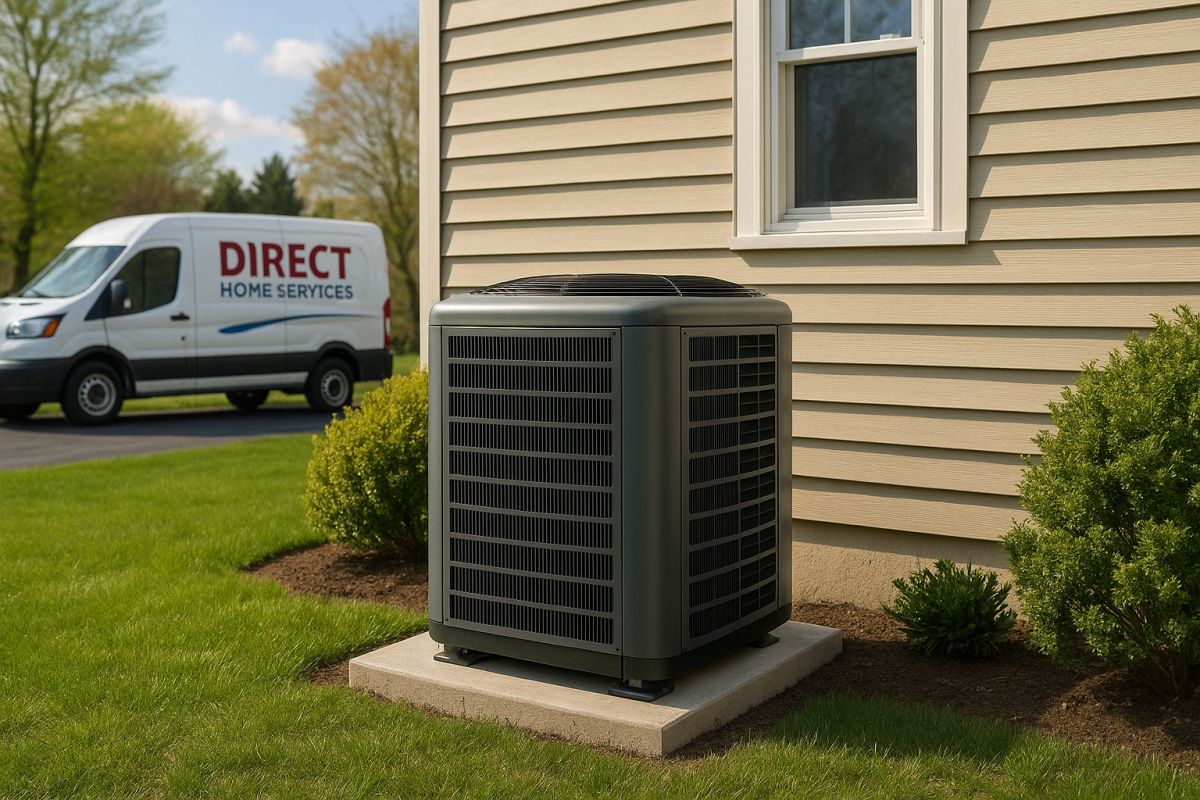
The outdoor unit exchanges heat with the air. It needs space, clean heat pump services near me fins, and a stable base. In Middlefield, that base rides winter heave and spring thaw, and it sits near mulched beds or lawn clippings that creep into the coil.

Keep a minimum of 18 to 24 inches of clearance around the unit. Trim shrubs back each season. Avoid piling mulch against the cabinet. Leave at least 5 feet of vertical clearance if a deck or overhang sits above the unit.
Check the pad for level. A slight tilt can trap water, strain the fan motor, and confuse defrost sensors. If frost builds unevenly or the fan hums louder than usual, the unit may be out of level. Re-leveling is a simple job for a technician and helps both performance and longevity.
Fins collect pollen and cottonwood fluff. A gentle garden-hose rinse from the inside out clears debris. Do not use a pressure washer. Bent fins lower capacity and increase compressor workload. If fins are already bent, a fin comb can restore airflow.
In winter, keep snow and ice away from the base and coil. Clear drifts after storms. Do not chip ice from the fins. Ice usually points to a defrost or drainage issue that needs professional service.
Condensate drainage: quiet work that prevents damage
In cooling season, the indoor coil removes moisture. That water drops into a pan and drains through a line. A partial clog leads to musty smells, water near the air handler, or a safety float switch that shuts the system down on a hot day.
Once per spring, pour a cup of distilled white vinegar into the condensate line at the cleanout tee. This slows algae growth. If a clear trap is installed, look for standing debris. Vacuum the line outside with a wet/dry vac if flow looks poor. Consider a safety switch if the air handler sits in finished space or over a ceiling.
In winter, ductless heads and air handlers still need clear drainage during defrost cycles. Frozen lines or long downward runs outdoors can back water into the cabinet. Heat tape, rerouting, or proper pitch solves this. A quick check during the first cold snap can prevent midseason issues.
Thermostat habits that support efficiency
Set a temperature and let the system work. Big swings force long recovery times and may bring on electric resistance heat. In winter, a 2-degree setback overnight usually saves energy without triggering backup. In summer, keep setpoints steady and use fans for comfort during short absences.
If the home uses a smart thermostat, confirm the equipment type is set to heat pump and that “aux lockout” or “compressor lockout” settings match the heat pump’s capabilities. Some thermostats guess. Guessing often raises bills. A five-minute settings check during the first service visit can correct this.
Zoned systems and ductless multi-splits pose a heat pump services near me different question: leave unused rooms at the same setpoint or raise them? In practice, small bumps of 2 to 4 degrees in rarely used rooms are fine. Large differences can cause pressure and comfort issues.
Defrost behavior in Connecticut cold
In freezing weather with humidity, frost forms on the outdoor coil. The unit will reverse, melt the frost, then switch back to heating. A normal defrost cycle lasts a few minutes and runs every 30 to 120 minutes depending on conditions.
Watch for warning signs:
- Steam clouds that last more than a few minutes.
- Defrost that repeats too often.
- Outdoor fan not running in heating mode when it should.
- Ice that never clears from the lower third of the coil.
These symptoms suggest sensor faults, low refrigerant, blocked airflow, or a control issue. Continued operation in that state risks compressor damage. This is a good point to schedule service before a cold snap.
Ductwork: the hidden half of comfort
Even a perfect heat pump feels weak if ducts leak or choke airflow. Older homes near Main Street and Lake Shore Drive often mix new equipment with older sheet metal and flex runs. Common issues include crushed flex in attic runs, undersized returns at the air handler, and leaky joints in basements.
Practical checks at home include feeling for air leaks at obvious seams while the fan runs, listening for whistling at returns, and noting rooms that vary by more than 3 degrees. A professional static pressure reading takes minutes and tells the truth about airflow. Sealing with mastic and adding a return or two usually beats turning up the thermostat.
What homeowners can do each season
Use this quick seasonal loop to keep things simple and predictable.
- Spring: Replace the filter, flush the condensate line with vinegar, rinse the outdoor coil, test cooling mode for 15 minutes, and confirm drainage.
- Summer: Check the filter mid-season, keep vegetation trimmed, and rinse the outdoor coil if pollen is heavy.
- Fall: Replace the filter, clear leaves and seed pods from the outdoor unit, check the pad level, and run a heating test for 20 minutes.
- Winter: After storms, clear snow from around and beneath the outdoor unit, watch a defrost cycle once during a cold morning, and keep filters on schedule.
If anything seems off during these checks, a quick visit now is cheaper than a no-heat call on the first January chill.
Professional service vs. DIY
A homeowner can handle filters, simple cleaning, and thermostat checks. The following items belong with a licensed technician who knows heat pump behavior in CT winters:
- Refrigerant charge verification and adjustments. Modern systems are sensitive to ounces, especially inverter-driven models.
- Electrical testing of capacitors, contactors, and sensor circuits.
- Defrost control testing under load.
- Static pressure readings and airflow balancing.
- Drain routing corrections, heat tape installation, and pan switch wiring.
A good annual visit includes a coil temperature split check in both modes, blower wheel inspection, outdoor fan amp draw, and verification of auxiliary heat staging. It should end with actionable notes, not vague reassurance. Ask for actual numbers: static pressure, supply/return temps, and outdoor coil pressures.
Signs it is time to consider a new heat pump installation
Repairs make sense until they do not. The tipping point usually shows up as recurring faults paired with rising energy use. Based on field experience in Middlefield and nearby Durham and Meriden, these are practical triggers to discuss a new heat pump installation:
- The system is 12 to 15 years old, uses R-22 or has had multiple refrigerant top-offs. Leaks rarely get better.
- Winter comfort is uneven even after duct sealing and airflow corrections.
- The outdoor unit grows noisy, particularly at startup and during defrost, suggesting compressor wear.
- Electric bills climb year over year for similar thermostat settings.
- Frequent auxiliary heat use below 30 degrees, despite proper settings, points to low capacity or outdated technology.
Modern cold-climate heat pumps hold capacity down to single digits. Many homeowners in Middlefield now run without fossil backup. A properly sized and installed system with a good duct review can cut heating costs 20 to 40 percent compared with older equipment. This is where a local installer with experience on hilly lots, shaded yards, and wind exposure makes a practical difference.
Choosing the right installer in Middlefield, CT
Product matters, but workmanship sets the ceiling for performance. Look for an installer who does a Manual J load calculation, discusses room-by-room comfort complaints, and measures static pressure before quoting. A quick square-foot rule of thumb leads to oversizing, short cycling, poor dehumidification, and noisy ducts. Ask about equipment that supports variable speed compression and low-ambient operation suitable for CT winters.
For homes near Lake Beseck with limited yard space, talk through elevated stands and snow clearance to support defrost. For older homes along Peters Lane with small returns, plan for duct changes during installation, not after the first cold spell. Correct planning prevents callbacks and saves energy from day one.
Energy, comfort, and cost: making the math work
Homeowners often ask where the savings come from. Two places: higher efficiency at mild temperatures and control of auxiliary heat in cold snaps. In shoulder seasons, a variable-speed heat pump sips power while maintaining temperature. In deep winter, the right balance of compressor performance and staging limits the expensive electric strips to short assists.
As a rough local example, a 2,000-square-foot Middlefield home with average insulation might see annual heating and cooling costs drop by a few hundred to over a thousand dollars moving from a 15-year-old single-stage system to a new cold-climate variable-speed unit. The swing depends on duct condition, thermostat habits, and setpoints. A quick site visit and utility bill review turns that into a specific range.
State and utility incentives can also play a role. Programs in Connecticut change year to year, and rebate amounts vary by equipment rating and whether converting from oil or propane. A local installer should provide current figures and help file paperwork. That help often covers more than the service call fee.
Common Middlefield troubleshooting calls and quick fixes
Based on frequent service in the area, a few patterns repeat:
- Heat pump runs but air feels cool in winter. Often a filter restriction, undersized returns, or a thermostat set to “emergency heat” by mistake. Switch to “heat,” set a modest temperature increase, and check filters.
- Outdoor unit ices up at the base. Blocked drainage, an unlevel pad, or a failed defrost sensor. Clear snow, do not chip ice, and schedule service before the next cold night.
- Water dripping near the indoor unit in summer. Clogged condensate line or a full secondary pan. Shut the system off, clean the line if comfortable, and call if the issue persists.
- Short cycling on hot afternoons. Dirty coil, high static pressure, or an oversized system. Check filters and coil cleanliness, then ask for a static pressure test.
Quick home checks help, but repeated symptoms signal deeper issues.
Why a maintenance visit adds value beyond cleaning
A professional does more than tidy surfaces. The visit verifies airflow, charge, electrical health, and control logic in both modes. It creates a baseline for future comparison. That baseline is what prevents surprise failures. Trends are spotted early: rising amp draw on the outdoor fan, slipping temperature splits, or growing static pressure from a slowly clogging coil or filter. Small corrections keep the system near factory performance and extend its service life.
Homeowners who schedule spring and fall checkups in Middlefield tend to avoid peak-season emergencies. Technicians also have time in shoulder seasons to make duct improvements and to talk through heat pump installation options if the system is nearing end of life.
Ready for dependable comfort in Middlefield?
A few simple habits—clean filters, clear outdoor space, checked drainage—carry most of the load. Pair those with periodic professional care, and a heat pump will handle year-round comfort in Connecticut with quiet confidence. If the current system is aging, noisy, or underperforming, it may be time to explore a new heat pump installation built for CT winters.
Direct Home Services helps homeowners in Middlefield, Rockfall, and nearby towns choose the right equipment, improve ductwork where it counts, and keep systems running cleanly season after season. For a maintenance visit, a performance check, or a quote on a new heat pump installation, request a visit today. A short site assessment answers the two questions that matter most: what will it cost to run, and how will it feel in the rooms you use every day.
Direct Home Services provides HVAC repair, replacement, and installation in Middlefield, CT. Our team serves homeowners across Hartford, Tolland, New Haven, and Middlesex counties with energy-efficient heating and cooling systems. We focus on reliable furnace service, air conditioning upgrades, and full HVAC replacements that improve comfort and lower energy use. As local specialists, we deliver dependable results and clear communication on every project. If you are searching for HVAC services near me in Middlefield or surrounding Connecticut towns, Direct Home Services is ready to help.
Direct Home Services
478 Main St
Middlefield,
CT
06455,
USA
Phone: (860) 339-6001
Website: https://directhomecanhelp.com/
Social Media: Facebook | Instagram
Map: Google Maps
