How Termite Control Services Detect Hidden Infestations
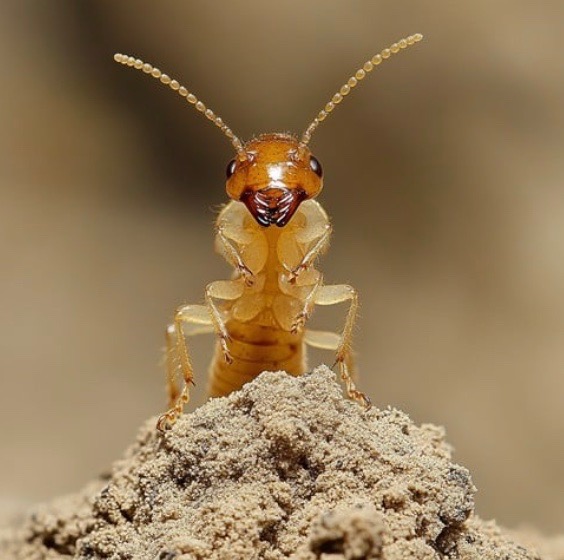
Termites are rarely dramatic. They do not burst into view the way rodents do, and they do not announce themselves with the immediate sting of a wasp nest. Most infestations build quietly, behind drywall, under flooring, inside sill plates, and along foundation lines that homeowners pass every day without a second look. By the time obvious damage appears, the colony has often been active for months, sometimes years.
That hidden nature is exactly why termite work demands a different kind of inspection. Good termite control services are not simply looking for insects. They are reading a structure the way a seasoned mechanic reads an engine or a roofer reads a leak path. They are looking for patterns, moisture conditions, construction details, wood-to-soil contact, subtle distortions, and the faint evidence that termites leave as they move through a building without wanting to be seen.
The public image of a termite inspection is often a technician tapping wood and shining a flashlight. That does happen, but the real process is more methodical than many people realize. Detecting hidden infestations takes building knowledge, pest biology, patience, and the judgment to know when a harmless stain is just a stain, and when it points to something much more expensive brewing inside the wall.
Why hidden infestations are so difficult to spot
Termites survive by staying protected. Subterranean termites, which account for a large share of structural termite problems in many regions, need moisture and avoid open air when possible. They travel through mud tubes, cracks in concrete, expansion joints, plumbing penetrations, crawlspaces, and voids inside masonry or framing. Drywood termites operate differently, living directly inside the wood they consume, but they are just as discreet. In either case, visible insects are often the last clue, not the first.
A homeowner might notice a soft baseboard, a bubbled paint patch, or a door frame that seems slightly swollen. Those symptoms can be caused by water damage alone, which is why untrained eyes often miss the termite connection. The reverse is also true. People sometimes assume every bit of damaged wood means termites, when carpenter ants, wood-decay fungi, and plain age can create similar signs. Professional detection is partly about finding evidence, and partly about ruling out convincing lookalikes.
This is where experienced termite control services earn their keep. The job is not to guess. It is to assemble enough physical evidence to identify whether termites are active, whether they were active in the past, where they are entering, how far they may have spread, and what conditions allowed them to gain a foothold.
The inspection starts outside, not inside
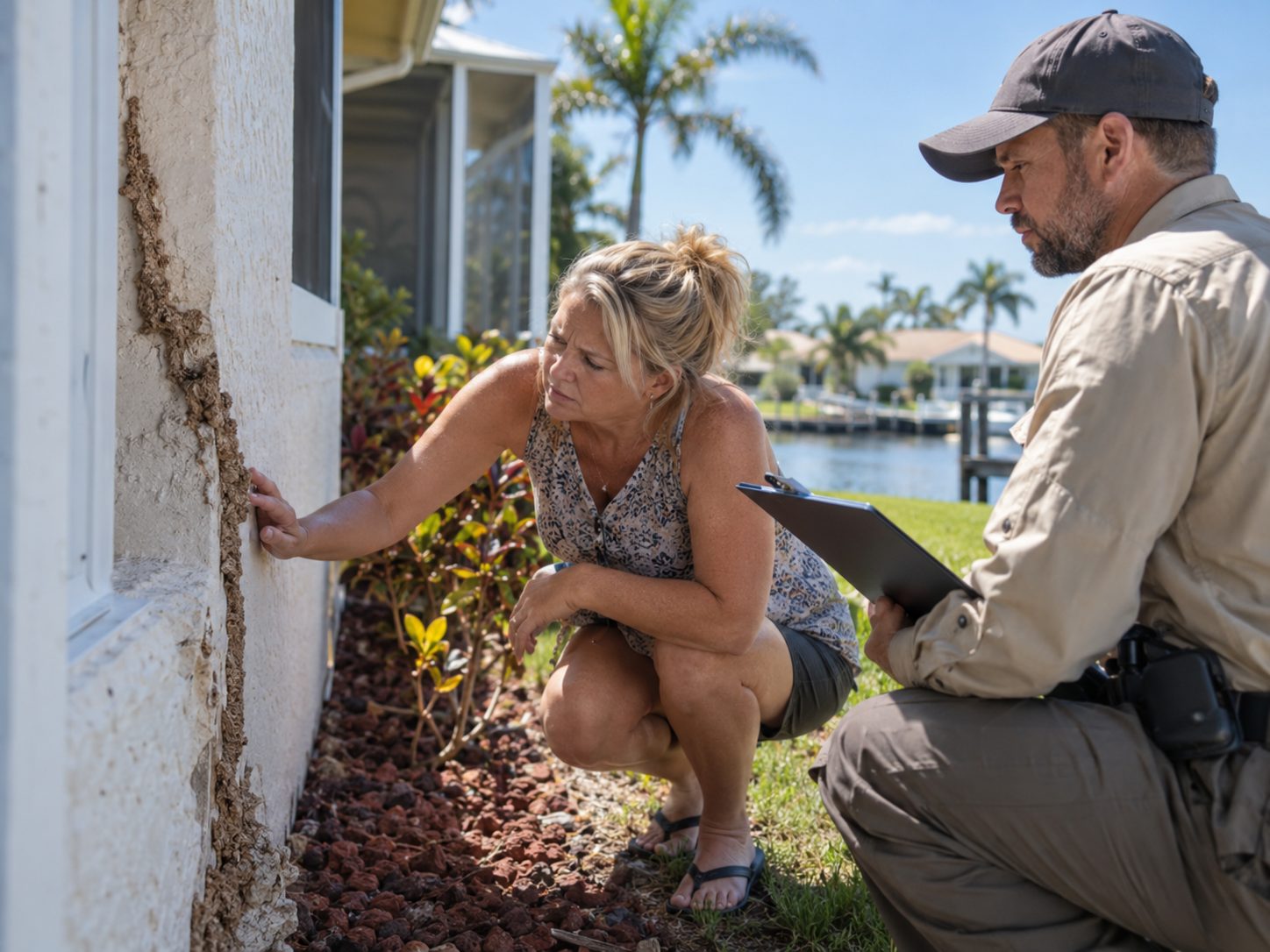
Many infestations are discovered from the exterior before anyone touches an interior wall. That surprises homeowners who expect the problem to reveal itself near damaged trim or flooring. In practice, an inspector often learns more by walking the perimeter carefully than by rushing indoors.
Foundations are a major focus. A trained inspector looks for mud shelter tubes climbing stem walls, slab edges, piers, or utility penetrations. Some tubes are active and moist. Others are dry and abandoned. That difference matters. It helps determine whether termites are currently moving through that route or whether it reflects an older issue. Either way, even an abandoned tube tells a story. It says the structure was accessible at some point, and it deserves a closer look.
Landscaping also matters more than many owners realize. Thick mulch, stacked firewood, planter boxes against siding, dense shrubs that trap moisture, and irrigation overspray can create ideal conditions for termites to approach unnoticed. I have seen homes where the colony was not first detected in the house at all, but in a fence post, tree stump, or decorative timber edging ten or fifteen feet away. That nearby activity changed the risk picture immediately.
Exterior construction details can either expose or hide a problem. Stucco that extends below grade, foam insulation covering the slab edge, wooden lattice in contact with soil, and additions built over older crawlspaces can all make inspection harder. A good inspector notes those blind spots instead of pretending the entire structure was fully visible.
Moisture is often the real accomplice
Termites and moisture problems are close companions. Not every damp area attracts termites, but chronic moisture dramatically Termite Control Services increases the odds of trouble. That is why termite inspections often overlap with moisture assessment, especially in basements, crawlspaces, bathrooms, laundry rooms, kitchens, and around exterior hose bibs or poorly flashed doors.
A leaking trap under a sink may not seem like a termite issue at first glance. Yet if that slow drip dampens a cabinet base or adjacent wall framing for months, it creates ideal conditions for exploration by termites already nearby. The same goes for clogged gutters, downspouts that dump water near the foundation, and condensation from HVAC lines.
Professional termite control services commonly use moisture meters during inspections, not because moisture confirms termites by itself, but because it narrows down where hidden activity is most plausible. Elevated moisture in a wall or sill area may justify deeper probing or closer examination, especially if the wood Termite Control Services also sounds hollow or the finish surface shows rippling.
In crawlspaces, the relationship becomes even clearer. A crawlspace with poor ventilation, standing water, torn vapor barrier, and wood debris on the soil is close to an open invitation. In those settings, the inspector is not just asking, “Are termites here now?” The better question is, “If they are not here yet, what is making this home easy for them to enter?”
Reading the subtle clues in wood and finishes
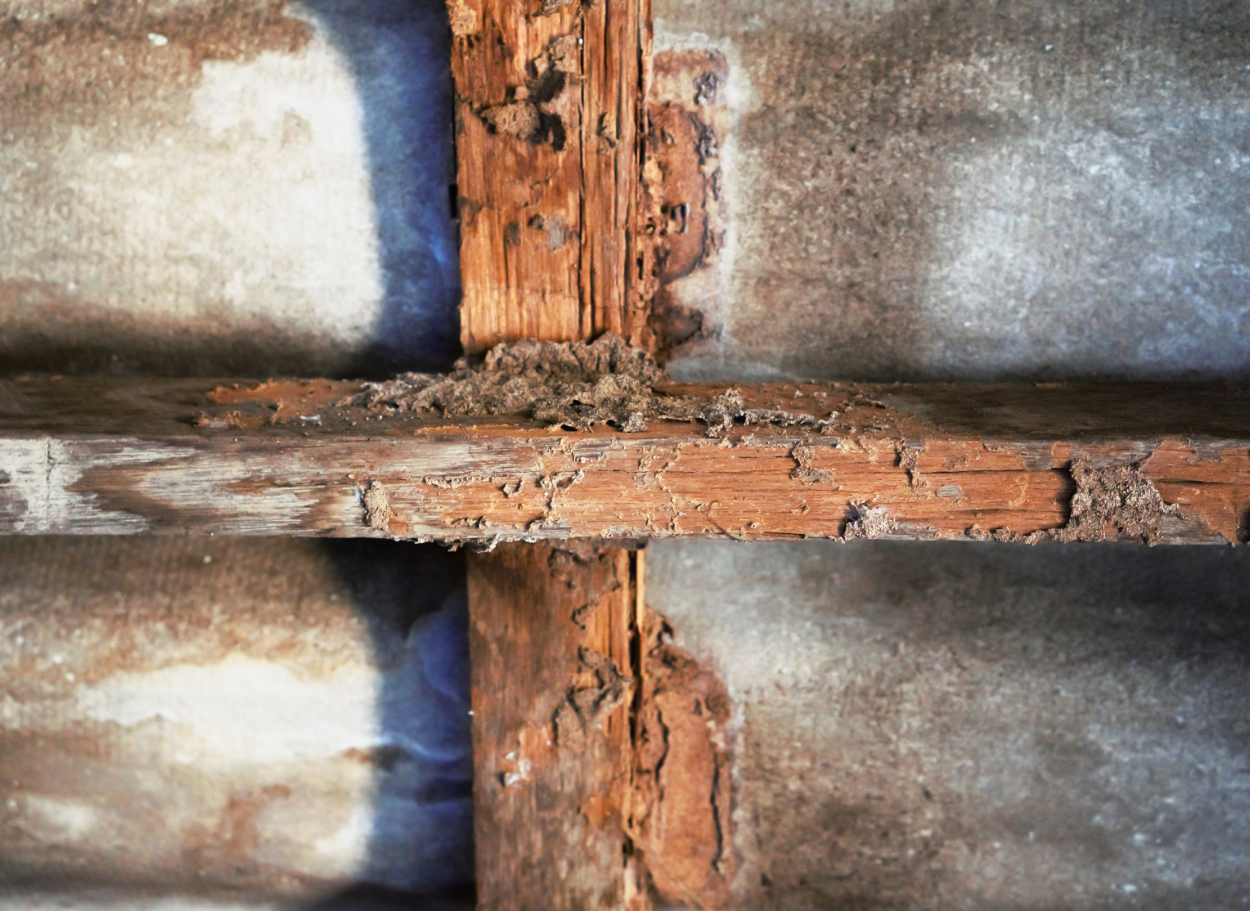
Wood damage from termites has a feel and pattern that experienced inspectors learn to recognize. Surface finishes may look intact while the interior is heavily eaten. A screwdriver, awl, or probe can reveal whether the wood has lost internal strength. In many cases, the outer layer remains thin and papery, and it breaks with very little pressure.
Subterranean termites usually consume softer springwood first, leaving a layered or grooved appearance packed with soil-like material. Drywood termites create cleaner galleries and may leave pellet-like frass nearby. Those distinctions are useful, but they are not always textbook neat in the field. Moisture, age, prior repairs, and mixed damage can blur the picture.
Paint bubbles, pinhole openings, sagging trim, loosening tiles near a damaged subfloor, and doors that suddenly rub can all be early clues. On one inspection, a homeowner was convinced the issue was bad caulking because a window stool kept separating from the wall. The real problem was termite activity moving up from a sill area below, with damage hidden behind the drywall. The crack at the trim joint was simply the first visible symptom of framing that had lost enough integrity to shift.
Even sound can offer hints. Hollow wood has a different response when tapped. It is not proof on its own, but when paired with staining, softness, and nearby shelter tubes, it becomes part of a persuasive pattern.
Specialized tools help, but experience decides how to use them
Modern inspections can involve more than flashlights and hand tools. Moisture meters, borescopes, infrared cameras, and sounding devices can all help detect concealed issues. Still, none of them is magic. Each has strengths and limits, and poor interpretation leads to bad recommendations.
Infrared imaging is a good example. It can highlight temperature differences that may reflect moisture intrusion or voids. In the right circumstances, that helps an inspector identify suspicious wall sections without opening them immediately. But thermal anomalies do not equal termites. Sun exposure, air leaks, missing insulation, and plumbing lines can create similar readings. Infrared is a clue-generating tool, not a final diagnosis.
Borescopes are useful when access is limited and there is reason to inspect inside a void. A small drilled opening can allow a visual check inside a wall, cabinet chase, or other enclosed area. This can confirm mud tubing, damaged wood, or live insects without major demolition. Used thoughtfully, it saves guesswork. Used carelessly, it creates holes without improving the diagnosis.
Moisture meters are more straightforward, but they still require context. High moisture around a shower curb may indicate a leak, not termites. Low moisture in a dry attic does not rule out drywood termites. The tool is only as good as the inspector’s understanding of the structure and the pest.
The most reliable termite control services use tools to support judgment, not replace it.
Where inspectors focus when termites are likely to hide
Certain parts of a building repeatedly show up in termite cases because they offer what termites want: darkness, moisture, shelter, and accessible wood. While every structure is different, inspectors pay close attention to a few high-risk zones:
- crawlspaces, especially around piers, sill plates, and plumbing penetrations
- slab edges, expansion joints, and cracks near bathrooms or garages
- window and door frames exposed to repeated moisture
- attached porches, steps, decks, and wooden elements close to soil
- attic framing and eaves when drywood termites are a regional concern
These are not the only places termites hide, but they are common starting points. In houses with additions, converted garages, or enclosed patios, transitions between old and new construction deserve extra scrutiny. Those changes often create concealed joints and irregular access points that termites exploit.
The difference between visible evidence and active infestation
One of the hardest parts of termite detection is separating historic evidence from current activity. Homeowners often want a clean yes or no answer, but the reality can be more nuanced.
An old mud tube behind stored boxes in a basement may indicate a resolved issue from years earlier. Termite-damaged framing may remain in place after treatment because structurally it was still adequate, even though it looks alarming. Swarmers found near a window might suggest activity nearby, but swarmers alone do not confirm where the colony is or whether it is inside the structure versus just outside.
This is where inspection notes matter. Active tubes often show fresh, moist material and may contain live termites if opened. Recent frass accumulations from drywood termites have a different significance than dusty pellets trapped in an old void. Fresh blistering in wood, recent moisture readings, and new structural distortion can all point toward ongoing activity rather than a long-past event.
Competent termite control services avoid dramatic language unless the evidence supports it. They should be able to explain what they found, where they found it, how confident they are about activity status, and what limitations affected the inspection. That kind of precision protects the homeowner from both complacency and unnecessary alarm.
Why some infestations stay hidden during routine inspections
Even a thorough inspection has limits. Finished basements, sealed wall cavities, built-in cabinetry, heavy storage, insulation, floor coverings, and inaccessible crawlspaces all reduce visibility. In some homes, the most vulnerable wood members are hidden behind finished surfaces with no obvious external symptoms.
Slab-on-grade homes can be especially tricky. Termites may enter through tiny foundation cracks, under expansion joints, or around plumbing where no visible mud tubes appear on exposed surfaces. By the time flooring starts to lift or trim begins to distort, the colony may have been feeding below the visible line for a long time.
Multi-unit buildings present another challenge. Activity can move through shared walls, utility chases, and common structural members. A unit may show damage even though the visible point of entry is several feet away, or technically in another part of the building. That is why effective detection sometimes requires a wider inspection scope than the original complaint suggests.
Homeowners occasionally assume that a clean inspection means zero risk. In practice, it means no evidence was found in the accessible areas at that time. That is still valuable, but it is not a lifetime guarantee. Termite detection is a snapshot informed by biology, building conditions, and access.
Swarms tell a story, but not the whole story
Seeing winged termites indoors unnerves people for good reason. Swarmers indicate a mature colony somewhere nearby. Still, their presence raises questions that have to be answered carefully. Did they emerge from within the structure, or did they drift in from outdoors through an open window, attic vent, or light gap under a door? Are they termites at all, or winged ants, which are commonly misidentified?
Termite swarmers have straight antennae, broad waists, and wings of equal length. Ant swarmers have elbowed antennae, pinched waists, and front wings that are longer than the hind wings. This distinction matters because treatment plans and urgency differ.
When a legitimate indoor termite swarm occurs, inspectors look beyond the insects themselves. Shed wings on a windowsill, exit holes in wood, nearby moisture conditions, and signs in adjacent framing help determine whether the structure is infested. A swarm is a clue, not a complete diagnosis.
How inspection findings shape treatment choices
Detection is not separate from treatment planning. The evidence gathered during inspection directly affects what is recommended. If activity appears localized and tied to one moisture-damaged area, treatment might be targeted. If the structure shows multiple entry points along the foundation, broader soil treatment or baiting may be appropriate. If drywood termites are confirmed in isolated trim or furniture, localized wood treatment could make sense, while widespread attic activity might call for a different strategy.
This is another reason accurate detection matters. Overtreating costs money and may not address the real source of the problem. Undertreating leaves the colony active and gives the homeowner false confidence.
A strong inspection report should explain not just where termites were found, but why the recommended approach matches the evidence. For example, if mud tubes are concentrated near a bath trap area with chronic moisture, fixing the leak becomes part of the pest solution, even if chemical or bait treatment is also used. Without the moisture correction, the structure remains attractive.
What homeowners can do before an inspection
A professional inspection is more useful when the inspector can actually see the vulnerable areas. Homeowners do not need to do anything elaborate, but a bit of preparation helps.
Clear stored items away from foundation walls in garages, basements, and utility rooms if possible. Make crawlspace entries accessible. Trim back dense vegetation around the home’s perimeter. If you have noticed swarmers, soft wood, recurring moisture, or recent changes like sticking doors or bubbling paint, point those out. Small observations often become the thread that leads to the real source.
It also helps to share the history of the property. Previous termite treatments, renovations, leak repairs, and additions all provide context. In older homes especially, the building’s story can explain why one area is more vulnerable than another.
Choosing termite control services that know what they are seeing
Not all inspections are equal. The quality difference often comes down to patience, training, and communication. A hurried walk-around with a flashlight is not the same as a disciplined inspection that accounts for risk factors, construction details, and subtle evidence.
When evaluating termite control services, listen to how they describe findings. Vague phrases and blanket fear tactics are red flags. So is unwarranted certainty in areas they could not access. The better professionals are usually specific. They can tell you what was visible, what was obstructed, what evidence was direct, what was circumstantial, and what follow-up steps make sense.
A useful inspection should leave you with a clearer picture of the structure, not just a sales pitch. Even when no termites are found, the best inspectors often identify conditions that could invite future activity, such as excessive mulch depth, wood debris in a crawlspace, or poor drainage at one corner of the home. That advice can be just as valuable as catching an active colony.
The real skill is pattern recognition
At its core, hidden termite detection is not about a single trick or gadget. It is pattern recognition built on field experience. An inspector notices that a bathroom wall has elevated moisture, that the base trim sounds hollow, that the slab edge outside has heavy mulch against it, and that a hairline crack runs from the hose bib toward the same corner. None of those facts alone proves an infestation. Together, they form a pattern worth testing.
That is what separates real termite detection from guesswork. Termite control services that do this well bring a practical understanding of how insects behave inside actual buildings, not idealized textbook examples. They know where colonies tend to travel, where houses tend to fail, and how easy it is for a small hidden problem to become a major structural repair if missed.
Termites succeed by staying out of sight. Detecting them takes someone who knows how to look past the obvious, read the quiet evidence, and connect conditions that most people would dismiss as unrelated. When that skill is applied early, the savings can be substantial. More important, it turns a hidden threat into a manageable problem before the damage becomes part of the house itself.
Maximum Pest Control
836 NE 7th Terrace Suite #5
Cape Coral, FL 33909
+1 239-772-7363
FAQ About Termite Control Services
What are two signs of a termite infestation?
Mud tubes along a foundation and piles of shed wings near doors or windows are two signs to investigate. Mud tubes are associated with subterranean termites. A licensed inspector can identify the insect and assess whether there is active infestation.
How many years does a termite treatment last?
There is no single timeline for all treatments. The method, site conditions, and maintenance affect how long protection lasts. Bait systems rely on monitoring and service. Ask the provider for the recommended inspection schedule and the terms of any coverage.
Is Termite Treatment Expensive in Cape Coral?
Cost depends on the termite species, the size and construction of the property, the extent of activity, and the treatment method. Request a written estimate after inspection and ask whether monitoring, follow-up visits, and renewals are included.
