Have you ever wondered: What is layered lighting in a bathroom?
Have you ever wondered: What is layered lighting in a bathroom?
1. Why layered bathroom lighting matters - what this list will help you achieve
Layered lighting isn't just a design buzzword - it is a practical way to make a bathroom safer, more comfortable, and more useful at different times of day. Read this list and you will walk away with clear, actionable ideas: how to avoid shadowed faces at the mirror, which fixtures survive a steamy shower, how to create a relaxing spa mood, and how to navigate the room at 3 a.m. without blinding yourself. I’ll explain common fixture choices, color temperature and lumen guidelines, placement rules, and the control options that let these layers play nicely together.
Whether you are planning a full remodel or just swapping a fixture, layered lighting gives you versatility. You can tune the space for quick morning tasks, a long soak, or late-night toilet trips. This list breaks the topic into five focused layers plus controls and a step-by-step 30-day plan so you can move from idea to install. I’ll also include a short quiz and a self-assessment to help you identify what your bathroom already has and what it needs. Expect real examples - like where to place sconces to avoid shadows, the right lumens for a 5-by-8 bathroom, and which fixtures need an IP rating for wet zones.
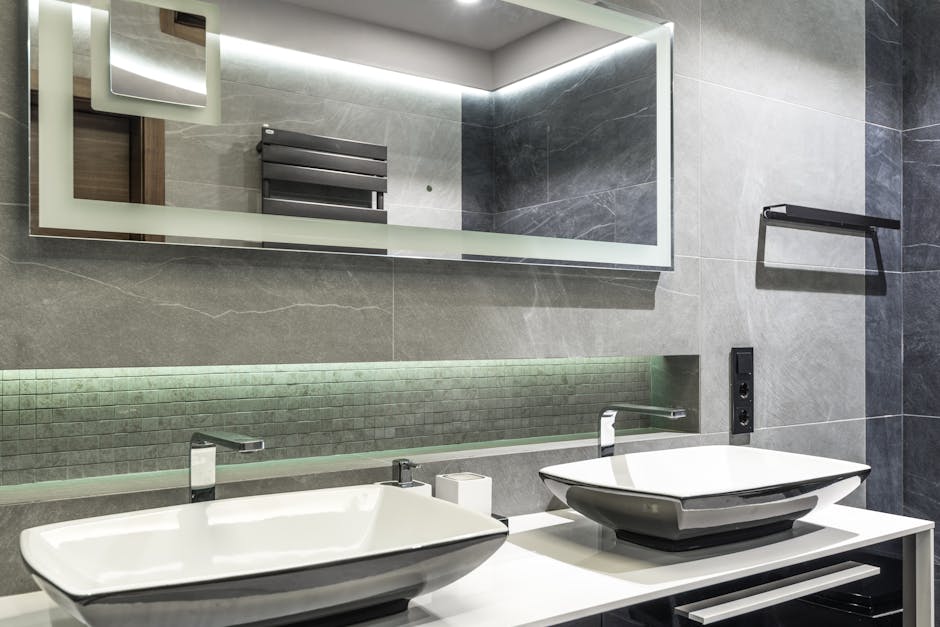
2. Layer #1: Ambient lighting - the foundation for safe, even illumination
Ambient lighting provides the general illumination you need to move around safely. Think ceiling-mounted fixtures, recessed cans, or a perimeter cove that spreads light evenly across the room. For a typical small bathroom (about 5 by 8 feet), aim for roughly 1500 to 3000 lumens of ambient light total, depending on how bright you like it. For larger bathrooms or ones with darker finishes, push toward the higher end. If you use recessed fixtures, space them approximately half the ceiling height apart - a 9-foot ceiling means about 4.5 feet between cans.
Fixture type matters. A flush-mount ceiling light gives broad coverage and is simple to swap, while multiple recessed fixtures let you place light exactly where you want it. Cove lighting hides LEDs behind a bulkhead or a dropped ceiling and provides soft, even glow - great if you want a less clinical look. When the ambient layer is well planned, mirrors, vanities, and shower zones become easier to light without creating harsh contrasts.
Safety note: Any fixture used in the shower or near the bathtub must have the correct IP rating. For ambient fixtures outside the immediate wet zone, a standard indoor-rated product is fine. For recessed fixtures inside the shower, choose ones rated for wet locations and use a qualified electrician for installation. Proper ambient lighting reduces slips and makes your bathroom feel larger and more welcoming.
3. Layer #2: Task lighting for mirrors and vanities - clear, shadow-free illumination
Task lighting is about seeing clearly - shaving, applying makeup, flossing, or reading product labels. The mirror/vanity area is the most critical spot for task light because poor placement creates unflattering shadows. Best practice: put vertical illumination on either side of the mirror or a backlit mirror that provides even frontal light. A pair of wall sconces mounted at about 60 to 65 inches from the floor and roughly the same height as the mirror edges works well. If you use a single fixture above the mirror, choose a wide, shielded fixture that throws light down and reduces shadows under the brow.
Color temperature and color rendering matter here. Aim for 3000K to 3500K for warm-but-accurate skin tones, and select LEDs with a Color Rendering Index (CRI) of 90 or higher if possible. For lumen targets, plan on 700 to 1,500 lumens focused on the mirror area depending on the size of the vanity and how many people use makeup or grooming there. Backlit mirrors often produce a flattering, even field of light and reduce glare when dimmable LEDs are used.
Practical tip: If you edit photos, use cooler light nearer to 4000K for a more neutral look, but keep it consistent with the rest of the bathroom. For shared bathrooms, choose lighting that flatters most skin tones and install a dimmer so you can tune brightness for morning versus evening tasks.
4. Layer #3: Accent and decorative lighting - add depth, highlight details, and improve safety
Accent lighting is the layer that brings character. It highlights architectural details, shelves, artwork, or the tile niche. Accent fixtures include small recessed adjustable spots, LED strip lighting in niches, or a wall washer that highlights a textured tile wall. In addition to aesthetics, accent lights can improve safety by lighting the floor edge near steps, the shower threshold, or a recessed shelf where bath products live.
Use warm to neutral color temperatures for accent lights - 2700K to 3000K often reads as cozy and inviting. When placing accent lighting in wet areas, always check the IP rating and mount location. For example, a recessed niche light inside a shower needs to be rated for wet locations; an LED strip tucked behind a recessed shelf should be sealed and behind a diffuser to protect it from moisture and cleaning products.
Accent lighting also helps visually expand the space. A small bathroom with under-cabinet toe-kick lighting feels larger because light near the floor reduces the sense of the room closing in. Try a low-voltage LED strip under a floating vanity to add a soft glow and a subtle night guide without adding glare. Remember that accent lights should be used sparingly and purposefully - too many accents compete with the task layer and can make the room feel cluttered.
5. Layer #4: Night and guide lighting - low-glare solutions for middle-of-night navigation
Middle-of-the-night bathroom trips require a different approach: you want enough light to navigate safely without fully waking your eyes. Night or guide lighting is low-intensity, warm, and often activated by motion sensors or a separate switch. Options include toe-kick LED strips under the vanity, a dimmable nightlight by the baseboard, or an integrated mirror light with a night mode.
For color temperature, 2000K to 2700K reduces blue light that suppresses melatonin and helps maintain sleep cycles. Lumen levels are low - 5 to 50 lumens is often enough for guide lighting. Consider fixtures with adjustable brightness or multi-level controls. Motion-activated under-cabinet lighting that stays on at a low level for a few minutes then dims is a great hands-free solution for households with kids or older adults.
Installation ideas: place a soft LED strip behind the vanity toe-kick or under a floating shelf where it won’t cast shadows on the face in the morning. If you prefer a plug-in solution, choose models with warm https://www.thecanary.co/discovery/lifestyle/2026/02/26/how-to-make-a-small-uk-bathroom-feel-bigger-and-brighter/ LEDs and a dusk-to-dawn sensor. For energy efficiency, use low-wattage LEDs and consider adding a smart scene so you can have a dedicated “night” scene that dims all main lights and turns on guide lighting automatically.
6. Layer #5: Controls, color temperature, and coordination - how to make all layers work together
The most elegant layered lighting plan fails without controls that let you combine layers smoothly. Dimmers are essential - but pick the correct type. Most modern LED drivers need compatible electronic low-voltage dimmers or trailing-edge dimmers to avoid flicker. Look for dimmers rated for LED loads and check the minimum load requirements. For multi-layer scenes, consider a three-way or four-way setup if you have multiple switches entering the same room, or use a smart hub and wireless switches to control scenes.

Color temperature coordination across fixtures matters visually. Pick a primary color temperature for task and ambient layers and keep accent lights within a close range so skin tones and tile colors remain consistent. A common, flexible choice is 3000K for a warm but accurate appearance; 2700K is cozier and better for a spa-like vibe, while 3500K to 4000K is crisp and useful for bright task-oriented bathrooms.
Plan lighting zones on paper before you buy. Draw the room, mark fixture locations, label each with lumen targets and IP ratings for wet zones, and decide which switches or scenes will control them. If you want smart scenes, sketch out morning, evening, and night scenes and map which layer combinations each scene uses. Finally, coordinate fixture finishes and beam spreads - narrow-beam accent lights paired with wide-beam ambient fixtures create depth without hotspots.
7. Your 30-Day Action Plan: Build and install layered lighting in your bathroom
Day 1-3: Assess and measure. Use the self-assessment checklist below to note existing layers, fixtures, and any missing IP-rated fixtures in wet zones. Measure room size, ceiling height, vanity width, and mirror placement.
Day 4-7: Plan and budget. Sketch the lighting plan with zones, lumen goals, and color temperature choices. Decide whether you will DIY or hire an electrician. Rough budget: simple fixture swap and dimmer - $150 to $600; full rewiring and multiple layers - $1,000 to $5,000 depending on fixtures and labor.
Day 8-15: Buy fixtures and controls. Select fixtures with matching color temperature and CRI, pick dimmers or smart switches, and purchase any wet-rated fixtures for the shower. Order extra trim pieces and connectors to avoid delays.
Day 16-25: Install in phases. Start with ambient fixtures and wiring, then add task lights at the vanity, followed by accent and night lighting. If you hired a pro, have them rough in wiring while you finalize fixture placement. Test each layer independently and in scenes to verify dimmer compatibility and placement.
Day 26-30: Fine-tune and document. Adjust light levels, reposition accent lights if needed, and program scenes for morning, evening, and night. Keep a simple lighting map and product list for future maintenance. Replace or add bulbs if CRI or color temperature looks off. Enjoy the flexibility of a layered system and note what works for your daily routines.
Quick quiz: Which layers do you already have?
- Do you have a ceiling ambient fixture or recessed cans? (Yes/No)
- Is the vanity mirror lit by side sconces or a backlit mirror? (Yes/No)
- Are there accent lights for niches, shelves, or tile features? (Yes/No)
- Do you have low-level night lighting or motion-activated guide lights? (Yes/No)
- Can you dim your bathroom lights or activate scenes? (Yes/No)
Scoring: 4-5 Yes answers - your bathroom is already layered and you can refine color or controls. 2-3 Yes answers - you have some layers but need better coordination or a night guide. 0-1 Yes answers - prioritize adding ambient and task lighting first.
Self-assessment checklist
- Measure total lumens for ambient lighting and compare to recommended range for your room size.
- Confirm vanity lighting is vertical or otherwise minimizes shadows on the face.
- Check every fixture in the shower or tub area for appropriate IP rating.
- Decide on a consistent color temperature and CRI target for new fixtures.
- Plan control strategy - separate switches for layers, dimmer compatibility, or smart scenes.
- Budget and schedule installation in manageable phases if you are remodeling.
Layered lighting in a bathroom gives you functional control and a chance to make the room more relaxing and safer. Use this list as a blueprint: define the ambient base, add focused task lighting, pick accent touches that improve both beauty and safety, include a low-glare night layer, and tie everything together with thoughtful controls. With a 30-day plan and the quick self-check above, you can move from idea to an installed, comfortable lighting setup that works for your routines and your aesthetic.
