Front Yard Landscaping Ideas for Budget Friendly Makeovers in Santa Ana CA
A front yard makeover in Santa Ana does not have to start with a large budget or a full demolition plan. In fact, some of the best results come from smaller, more deliberate changes that respect the climate, the architecture of the house, and the way people actually use the space. A modest ranch home with a tired lawn can look sharper with gravel, planting beds, and clean edging than it ever did with patchy grass and high water bills. A Spanish-style home often needs restraint more than expense, with texture, shade, and a few focal points doing the heavy lifting.
Santa Ana presents a specific set of conditions. Summers run hot, water costs matter, and many front yards still carry the legacy of old turf that struggles through dry months. On top of that, a lot of homeowners want curb appeal without committing to a landscape that demands constant pruning, weekly irrigation adjustments, and seasonal replanting. That is where practical front yard landscaping choices pay off. If the design is right, the yard can look finished, improve the home’s face to the street, and stay manageable long after the install crew leaves.
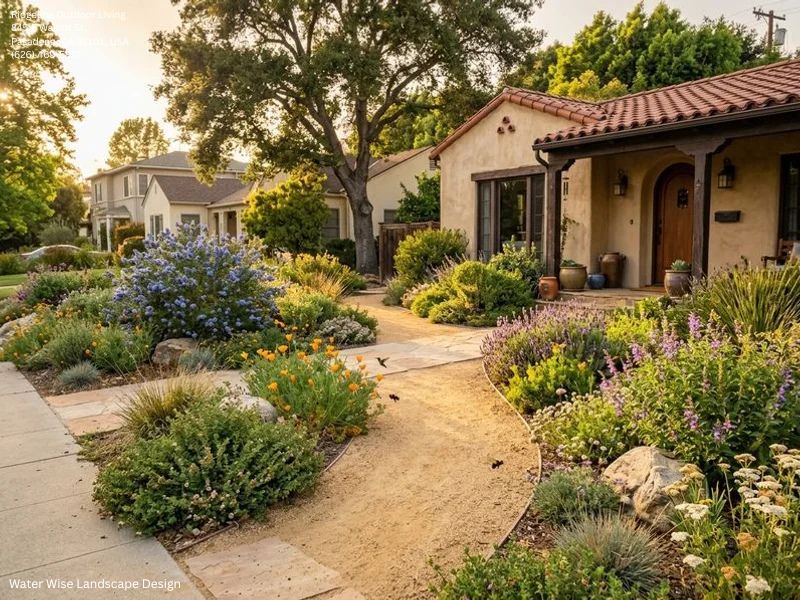
The most cost effective projects tend to follow one principle: keep the bones strong. If the layout, paths, edging, and plant placement make sense, the yard will still look good even when the plant palette is simple. That is why budget work often leans on hardscaping, repetition, and drought tolerant planting rather than expensive specimen trees or elaborate masonry.
Start with what actually needs to change
Many homeowners assume a makeover means replacing everything at once. Usually, that is where budgets get burned. The better approach is to walk the yard and separate the true problems from the cosmetic annoyances. A cracked path that feels unsafe deserves attention before decorative pots. Irrigation overspray on the sidewalk matters more than buying mature shrubs. If the lawn is thin, uneven, and expensive to maintain, that is often the biggest opportunity for savings.
In Santa Ana, I have seen front yards improve dramatically when homeowners stop chasing a perfect lawn and instead focus on three visual anchors: a clean entry path, a planting layout with year round structure, and ground treatment that looks intentional. Once those are in place, even inexpensive materials can feel polished.
It also helps to notice what already works. A mature tree with decent canopy is worth protecting. Existing concrete that is plain but sound can often be refreshed rather than removed. A low block wall may only need paint, cap repair, or plant softening. Budget friendly landscaping is often less about adding and more about editing.
Why lawns often lose the cost battle in Santa Ana
Traditional turf has a familiar look, but it is rarely the best value in this climate. Between water use, fertilizer, edging, reseeding, and the constant visual disappointment of dry spots, a front lawn can become the most expensive part of the yard over time. That is especially true for small and awkwardly shaped lawns, where the maintenance burden stays high while the practical benefit remains low.
This is one reason drought resistant landscaping has gained real traction across Orange County. People are not simply chasing a trend. They are responding to utility costs, heat, and a desire for landscapes that still look composed in late August. A thoughtfully designed dry garden can provide stronger texture and color than a struggling lawn, especially when the plant choices fit the site.
That does not mean every blade of grass has to go. Some homes benefit from a small patch of turf near the walkway or under a tree where it softens the view. But reducing turf, rather than defending it at all costs, often opens the door to a better design and a healthier budget.
Gravel, mulch, and decomposed granite do more than fill space
Ground plane materials matter more than many people expect. When the yard is viewed from the street, the surface treatment often makes up more visual area than the plants themselves. If that base looks sloppy, the whole front yard feels unfinished. If hardscaping santa ana it looks deliberate, even a simple planting plan reads as custom.

Decomposed granite is one of the more practical options for Santa Ana front yards. It is less expensive than poured concrete or pavers, fits a range of architectural styles, and creates a clean, warm surface for paths or open areas. It also pairs well with drought resitant landscaping concepts because it reinforces a dry-climate look without seeming stark. The caveat is installation quality. If the base prep is poor, decomposed granite can rut, scatter, or feel dusty. It needs proper compaction and clear edging to hold up.
Mulch remains one of the best budget tools available. Fresh shredded bark or chipped wood instantly unifies planting beds, suppresses weeds, and helps the soil retain moisture. The mistake I see most often is using mulch as a substitute for design. A wide bed of mulch with a few lonely shrubs rarely feels finished. Mulch works best when it supports a layout with repeated plant groups and visible intent.
Gravel can be excellent, but not every gravel yard works. The successful ones use consistent stone size, crisp borders, and enough plant mass to prevent the yard from looking like a parking lot. Light colored gravel reflects heat and glare, so in exposed west facing yards, a slightly warmer or more muted tone often performs better visually.
Use hardscaping where it counts
Hardscaping does not have to mean a full paver driveway or an outdoor room with custom seat walls. In a budget makeover, it usually means spending strategically on the fixed elements people notice first and use most often. A simple path from the sidewalk to the front door, new edging around planting beds, a small front porch landing, or a low retaining edge on a slope can transform the yard more than a larger plant budget would.
Good hardscaping adds order. It tells the eye where to go and gives the landscape a framework. In older Santa Ana neighborhoods, where lot sizes and home styles vary block by block, this structure can make a modest property feel more put together. Straight paths tend to look cleaner and cost less to build than highly curved ones. Concrete with a broom finish is usually cheaper than decorative pavers and can still look sharp if the proportions are right. Gravel bands, steel edging, or reused brick borders can create a custom look without custom pricing.
There is also a maintenance advantage. Plants grow and change. Paths, edging, and small walls give the yard permanence. If a shrub fails in a heat wave or a perennial needs replacing, the design still holds together because the hardscape carries part of the visual weight.
Plant choices that stretch the budget
Plants are where many homeowners either overspend upfront or underspend in the wrong way. Buying the cheapest plants available is not always economical if they are poorly suited to the site and need replacement in a year. On the other hand, paying for large mature shrubs across the entire yard is rarely necessary. In most front yard landscaping projects, a combination of smaller sizes and patient spacing delivers better value.
In Santa Ana, Mediterranean and California friendly plants usually give the best return. Lavender, rosemary, manzanita, dwarf bottlebrush, society garlic, lomandra, salvia, and deer grass all have uses depending on exposure and style. Agaves and aloes can create strong sculptural moments, though they should be placed thoughtfully away from walkways because some varieties have sharp margins. For a softer look, Mexican sage and gaura can loosen up a clean hardscape layout.
The key is repetition. Five of the same grass planted in rhythm often look more expensive than a random mix of fifteen different small plants. Repeating forms creates coherence, and coherence is what people usually mean when they say a landscape looks professionally designed. This is where Custom Landscaping ideas do not need to be complicated. Sometimes the custom part is simply matching the plant forms to the house and arranging them with discipline.
A good budget planting plan usually includes a layered mix: a few anchor shrubs, several mid height fillers, and a low ground layer to reduce bare soil. Too many anchor plants make the yard feel crowded later. Too few fillers leave it looking thin for years. There is judgment involved here, especially with growth rates. Fast growers save time but often need more pruning. Slower structural plants look cleaner longer but require patience.
Make the entry the hero
If the budget is tight, concentrate design energy near the front walk and door. This is where people look. A house with a well framed entry often reads as more attractive even if the side beds remain simple. In practical terms, that might mean widening a narrow walkway, adding a planter bed near the porch, installing path lights, or upgrading the house numbers and mailbox to match the new landscape.
I have seen homeowners spend heavily on landscaping resources corner beds that fade into the background while the front door area still feels neglected. The opposite approach works better. Frame the route to the entrance with low planting, create enough contrast so the path reads clearly from the street, and keep taller shrubs from blocking the door. If the façade is plain, two large containers can help. They are not always cheap at first, but they deliver instant presence and let you change seasonal color without reworking the whole yard.
For homes set back from the street, the walkway can become a major design feature. Even a basic concrete path can feel upgraded if it is bordered with steel edging, softened by low grasses, and lit properly. If the house sits close to the sidewalk, subtle moves matter more, such as a compact planting palette and a low profile layout that does not make the frontage feel crowded.
Budget friendly upgrades with high visual impact
Some changes consistently outperform their cost because they affect the overall impression of the yard right away.
- Refresh bed lines and edging so every planting area has a clear, intentional shape.
- Replace most or all high maintenance turf with mulch, gravel, or decomposed granite paired with drought tolerant plants.
- Improve the walkway and entry zone before investing in decorative extras.
- Use repeated plant groupings instead of a broad mix of one-off shrubs and flowers.
- Add low voltage lighting at the path and near one or two focal plants for evening curb appeal.
Those moves are not glamorous on paper, but they are the backbone of successful low budget makeovers. They also age better than trend driven features that can make a yard feel dated within a few seasons.
Slope, shade, and awkward lots require a different strategy
Not every Santa Ana front yard is flat and sun drenched. Sloped yards can become expensive quickly if the solution starts with large retaining walls. On a budget, it is often better to terrace gently with low edges, use deep rooted plants for coverage, and reserve hardscape for the main circulation line. A steep bank planted with spreading shrubs, native grasses, and mulch can cost far less than a fully built wall system, provided drainage is handled correctly.
Shady front yards pose a different challenge. Many drought tolerant plants want full sun, so copying a neighbor’s sunny yard plant list can backfire. In filtered light, clivia, lomandra, some carex varieties, and certain ferns can work well, though irrigation still needs to be controlled. Shade also changes the way materials read. Dark mulch can feel heavy under a dense canopy, while a lighter gravel or natural stone path may brighten the space.
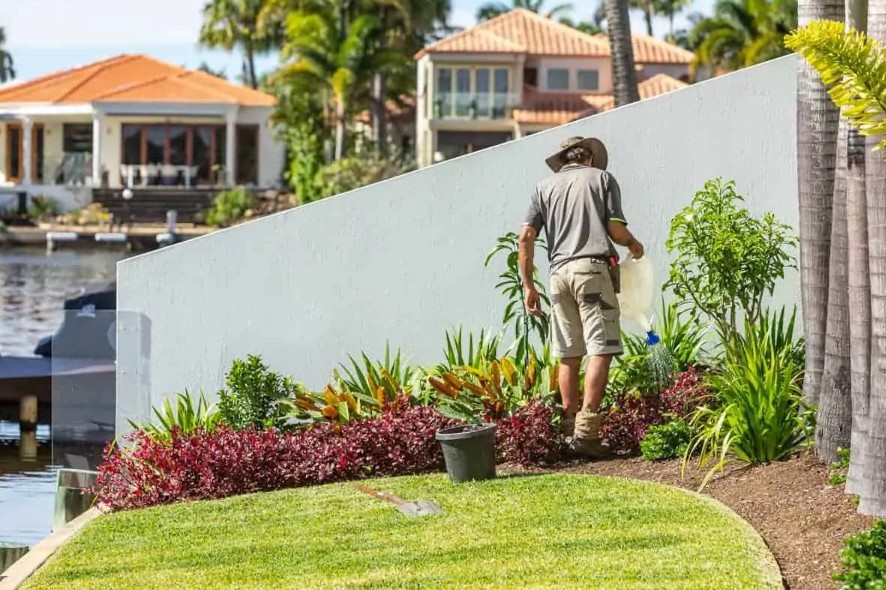
Awkward lots, especially pie shaped or very narrow frontages, benefit from simplicity. Trying to fit too many ideas into a small space makes the yard feel restless. One clean path, one dominant ground treatment, and a few restrained planting masses usually beat a design that forces in curves, boulders, multiple accent plants, and decorative ornaments all at Ridgeline Outdoor Living landscaping santa ana - Ridgeline Outdoor Living once.
How to get a custom look without custom pricing
People often use the phrase Custom Landscaping ideas when what they really want is a yard that does not look copied from a big-box store display. That kind of originality is achievable without spending heavily, but it requires restraint and consistency.
Pick a clear style direction early. For a Spanish or Mediterranean home, warm gravel, clipped rosemary, terra cotta tones, and a few sculptural succulents usually make more sense than tropical foliage and bright white stone. For a mid-century or ranch house, stronger geometry, broad planting sweeps, and simpler material transitions often feel right. Matching the house lowers the amount of visual effort needed because the landscape and structure support each other.
Another tactic is to repeat one small detail across the yard. That might be a steel edge profile, a brick border that echoes the chimney, or a plant color family that ties the whole frontage together. These details do not cost much compared to major construction, but they create the impression of a considered design. What makes a yard look expensive is rarely the price tag of individual parts. It is the sense that someone made clear decisions.
Irrigation is where many budgets quietly leak
A budget makeover can become an expensive landscape if the irrigation is ignored. Old spray heads pointed at sidewalks, mismatched nozzles, and inefficient scheduling are common in older neighborhoods. Before planting goes in, the irrigation plan should be reviewed with the same seriousness as the plant palette.
Drip irrigation is often a strong choice for shrub and perennial beds, particularly in drought resistant landscaping designs. It delivers water closer to the root zone and reduces overspray. That said, poorly installed drip systems can be frustrating. Lines end up exposed, emitters clog, and coverage becomes uneven if the layout is not tailored to the plant spacing. A simple and well mapped system is better than a sprawling one that no one understands six months later.
Hydrozoning matters too. Plants with similar water needs should share valves whenever possible. If thirstier containers sit in the same zone as established dry climate shrubs, someone will compromise and either overwater the shrubs or stress the containers. Good water planning is not glamorous, but it protects every other dollar spent in the yard.
A realistic way to phase the project
For many homeowners, the smartest move is not doing less, but doing the work in the right sequence. A phased plan helps spread cost without creating a half finished look that lingers for years. The order below tends to keep priorities straight.
- Remove failing turf, dead plants, and anything unsafe or visually disruptive.
- Repair drainage, adjust irrigation, and build the main hardscape elements such as paths and edging.
- Install anchor plants and the ground treatment so the yard looks organized.
- Add secondary plants, lighting, and decorative touches as budget allows.
This sequence keeps money focused on the elements that are hardest to change later. It also means the yard can look complete in stages rather than chaotic between phases.
What homeowners often regret
The most common regret is overplanting. Small nursery plants can look sparse at installation, which makes it tempting to pack beds too tightly. Two years later, shrubs are colliding, sight lines disappear, and maintenance jumps. A close second is choosing too many plant types. Variety sounds appealing, but it often produces visual noise and inconsistent care needs.
Another regret is chasing a picture from a cooler climate or a larger property. A lush East Coast style front yard with thirsty hydrangeas, annual color, and deep turf can be beautiful, but it may be landscaping service in santa ana a poor fit for Santa Ana conditions and a modest maintenance budget. The better goal is not imitation. It is adaptation. The yard should look right where it is.
There is also a lesson in material shortcuts. Cheap plastic edging almost always looks cheap after a season. Thin weed barrier under decorative rock often creates more problems than it solves once debris collects on top and weeds seed into the surface anyway. Budget friendly does not mean buying the lowest grade product in every category. It means knowing where durability matters and where simplicity is enough.
Curb appeal that still feels livable
The strongest front yard landscaping is not just for resale photos. It should feel good on an ordinary Tuesday when you pull into the driveway after work. That may mean leaving room for kids to cut across the yard, choosing plants that can handle reflected heat near the garage, or keeping visibility open enough to see deliveries at the porch. Good design has to meet real life.
In Santa Ana, the most successful budget makeovers usually share the same traits. They reduce water demand without looking barren. They use hardscaping sparingly but effectively. They rely on a few smart materials rather than many expensive ones. And they understand that curb appeal comes from composition, not from stuffing every square foot with features.
A front yard does not need to be lavish to look finished. It needs a plan, a sense of proportion, and choices suited to the climate. When those pieces are in place, even a modest budget can produce a front yard that looks cleaner, works better, and holds up through the dry season with far less effort.
