Fall alert for seniors: response after an automatic detection
An automatic fall alert is a signal generated by a device that detects a sudden, uncontrolled movement consistent with a fall, and then notifies a designated contact or monitoring service. For seniors living independently, these alerts are part of a broader system that includes fall detection sensors, an SOS button, and two-way communication. The moments after an alert are triggered involve a sequence of actions that depend on the type of device, the severity of the fall, and the response plan in place. Understanding what happens after an automatic fall alert helps caregivers and users evaluate how these systems work and where their limitations lie.
Detection and alert generation
When a fall occurs, the device's accelerometer and gyroscope register a rapid change in orientation and impact force. The device processes this data against its threshold settings. If the movement matches the device’s fall algorithm, it automatically sends an alert. Some devices also use pressure sensors or floor vibration analysis. The alert may be sent to a smartphone app, a monitoring centre, or directly to emergency contacts. The time between the fall and the alert is typically a few seconds, but it can vary by device and network conditions.
Not all falls are detected. Devices may miss a slow fall, a roll, or a fall onto a soft surface. Some systems require the user to confirm they are okay before an alert is escalated, while others treat every detection as an emergency. The elderly SOS button on many devices gives the user a manual option to trigger an alert if the automatic detection fails or if they feel unsafe without having fallen.
Confirmation and escalation
After the alert is received, the next step is confirmation. In a system that connects to a monitoring centre, a trained operator may attempt to contact the senior through the device’s two-way speaker. The operator asks if help is needed. If the senior responds or the line is silent, the operator escalates the call to emergency services or a pre-listed family member. Some systems allow the senior to cancel the alert if they are fine. Others, especially those with no two-way calling, send the alert directly to a family member’s phone without any human intermediary.

The elderly SOS button, when pressed deliberately, bypasses the fall detection step and sends a priority alert. That alert follows the same escalation path as an automatic one. The difference is that the system knows the user is conscious and requesting help, so the response can proceed without a confirmation window. In either case, the response time depends on whether the monitoring service is staffed around the clock, and on the speed of the local emergency dispatch.
Response coordination
Once the alert is confirmed and escalated, the responsible party takes action. If the alert goes to a family member, that person must decide whether to call emergency services or go to the senior’s home. If the alert goes to a monitoring centre, they may dispatch an ambulance or a neighbour who has agreed to be a responder. The device’s location data, which may be based on GPS or Wi-Fi triangulation, helps responders find the senior even if they cannot speak. In multi-occupancy buildings, indoor location precision becomes important.
Some response plans include a backup contact. If the primary contact does not respond within a set time, the system alerts the next person in line. This redundancy reduces the chance that an alert goes unanswered. For seniors who live alone and have limited mobility, the response coordination often involves a neighbour or a local community group that has been pre-registered as a contact.
Limitations and considerations
Automatic fall alerts are not foolproof. The device may generate false alarms from dropping the device, sudden transport, or vigorous movement. Each false alarm can cause unnecessary stress and may lead to contacts ignoring real alerts over time. Conversely, a fall that occurs in a location with poor signal, such as a basement or a garage, may not trigger an alert or may delay transmission. The device battery level also matters; a low battery can affect sensor accuracy and alert delivery.
Another limitation is the user’s ability to respond after a fall. If the senior is unconscious or cannot speak, the two-way communication feature is of no use. In those cases, the system relies entirely on the automatic detection and the escalation protocol. The quality of the fall detection algorithm and the speed of the monitoring centre become critical. Some devices use machine learning to reduce false alarms, but no system can guarantee zero false positives or negatives.
Integration with daily life
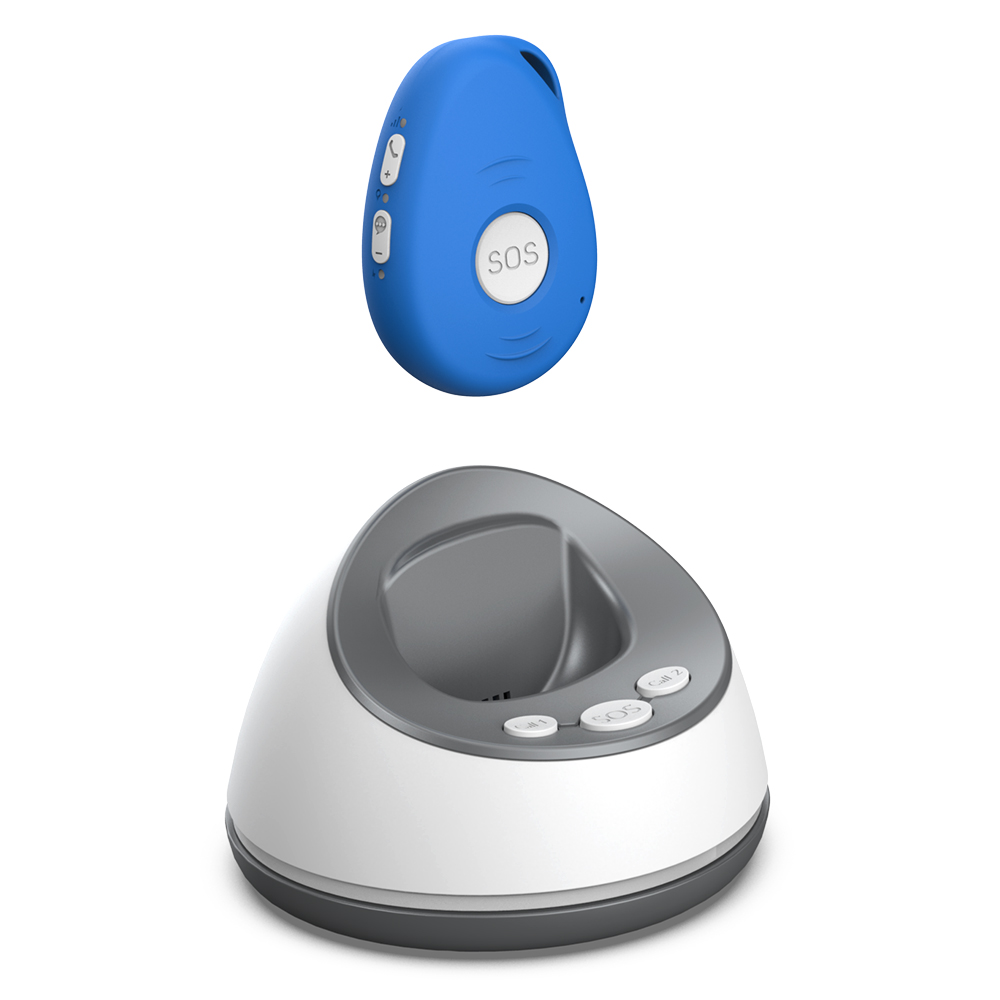
Fall alert systems are often part of a larger personal emergency response system (PERS) that includes a wearable pendant or wristband. These devices are designed to be worn continuously, even during sleep or bathing. Water resistance and comfort affect how consistently the device is worn. If the device is removed or left on a bedside table, a fall will not be detected. For this reason, some systems include a home base station that covers a limited range and assumes the senior is near it. Mobile devices that use cellular or Wi-Fi networks offer wider coverage but depend on network availability.
Home hazards such as loose rugs, uneven steps, and poor lighting increase the risk of falls. While the alert system can notify someone after a fall, it does not prevent the fall from happening. Some systems integrate with smart home devices that can detect prolonged inactivity and raise an alarm, but that is a separate feature from fall detection. Mobility aids like walkers or canes reduce fall risk but do not eliminate it. The alert system is a safety net, not a prevention tool.
Types of fall alert devices
- Wearable pendants and wristbands with built-in accelerometers and fall detection algorithms
- Wall-mounted base stations that communicate with a wearable button within a limited range
- Mobile GPS devices that work over cellular networks and provide location tracking outside the home
- Smartwatch-style devices that combine fall detection with health monitoring features
Each type has trade-offs in battery life, coverage area, and false alarm rate. The choice depends on the senior’s living situation, activity level, and comfort with technology. Some devices require a monthly subscription for monitoring, while others, such as those offered by Familyr, operate without recurring fees and use a combination of GPS and Wi-Fi for location.
Role of the monitoring service
A monitoring service is the human or automated hub that receives alerts and coordinates the response. In a professional monitoring centre, operators are trained to handle emergency calls and follow scripts that gather information about the senior’s condition and location. They can also provide first aid instructions over the speaker if the senior is conscious. In a self-monitored system, the alert goes to a family member or friend, who then decides the next step. The quality of the response depends entirely on that person’s availability and readiness.
Some systems include a two-way calling feature that allows the operator to speak directly with the senior through the device. This can reassure the senior that help is on the way and let the operator assess the situation. If the senior cannot speak, the operator can listen for background sounds or rely on the location data. The elderly SOS button, when pressed manually, also opens this two-way channel if the device supports it.
Geographic and regulatory context
The response after a fall alert varies by country and region. In New Zealand, emergency services are dispatched by a central call centre, and the device’s location data is passed to the nearest ambulance station. The time from alert to arrival depends on traffic, distance, and the availability of emergency vehicles. Some monitoring services have agreements with local emergency providers that prioritise calls from PERS users. In rural areas, the response may involve a volunteer fire brigade or a St John ambulance, which can take longer to arrive.

Regulations around medical alert devices are not uniform. Some devices are classified as medical devices and must meet safety standards; others are considered consumer electronics. The accuracy of fall detection and the reliability of the alert transmission are not always guaranteed by the manufacturer. Users should verify the device’s performance in their specific environment before relying on it.
The sequence after an automatic fall alert is a chain that starts with the fall itself and ends with a human response. Each link in that chain has to function correctly for the system to work. The device must detect the fall, transmit the alert, and provide enough information for the responder to act. The responder must be reachable and willing to help. The senior must be wearing the device and within its coverage area. Understanding these dependencies helps users and caregivers make informed choices about which system fits their needs and how to prepare for the moments after a fall.
