Do I Have To Stop My Current Meds To Try Medical Cannabis UK?
For years, the conversation around self-care has felt increasingly performative. We’ve all seen the social media posts: the candle-lit baths, the expensive journals, and the aesthetic morning routines. But for those living with chronic conditions—be it epilepsy, treatment-resistant pain, or debilitating anxiety—this performative self-care often feels like a distraction from the real work: managing symptoms, navigating the NHS, and fighting for a quality of life that feels sustainable.
When you are burnt out from a cycle of medication side effects and limited relief, the concept of "practical self-care" takes centre stage. It isn't about luxury; it’s about regaining function. This shift has brought many patients to look toward medical cannabis. However, the biggest hurdle to starting that conversation is often a fundamental misunderstanding: "Do I have to stop my current medication to try this?"
As someone who spent 11 years working within the NHS communications framework and observing the digital evolution of UK healthcare, I know that the anxiety surrounding medical cannabis is rooted in a lack of clarity about how it fits into the current clinical model. Let’s demystify the process.
The Legal Landscape: Since 2018
First, it is important to address the legal status. In November 2018, the UK government reclassified cannabis-based products for medicinal use (CBPMs). This meant that specialist doctors listed on the General Medical Council’s specialist register were permitted to prescribe these medicines when other treatments had failed.
It is not a "magic pill" you order online; it is a strictly regulated pathway. You cannot walk into a pharmacy with a street-bought product, and you cannot simply swap your existing pharmaceutical regimen for cannabis without professional guidance. The medical oversight is not a barrier to your care—it is the safety net that makes this legal and accessible in a clinical context.
Addressing the Question: Is It "Instead Of" or "Alongside"?
The most common fear among patients I speak with is that trying medical cannabis means "giving up" on conventional medicine. For many, conventional medication provides a baseline of stability, even if it comes with unpleasant side effects or sub-optimal efficacy.
The short answer is: Usually, no.
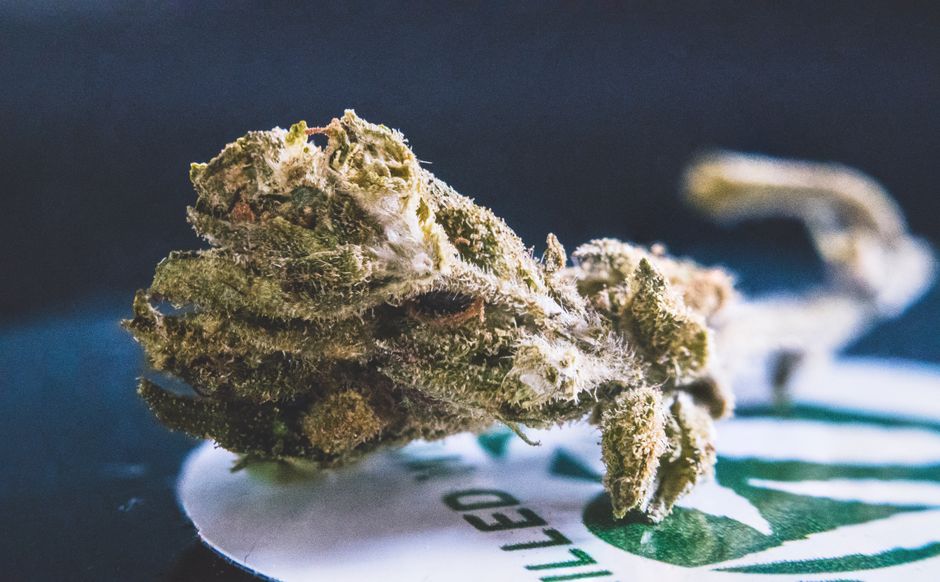
Medical cannabis is frequently prescribed as an adjunct therapy. This means it is designed to be used alongside your existing medication, not necessarily as a replacement for it. The goal of a specialist is to find a treatment plan that offers you the best symptom control while minimising harm. If your current regimen is doing some heavy lifting, a doctor will likely want to keep it in place while using medical cannabis to target the gaps—whether that is chronic breakthrough pain, severe insomnia, or seizure control.
The Role of Medical Oversight
You cannot effectively navigate this transition alone. This is where platforms like Riproar are changing the landscape. By connecting patients with clinics that house specialists experienced in medical cannabis, these digital platforms ensure that your medication questions are handled with clinical rigour. They facilitate a roadmap that includes:
- Reviewing your medical history (including the failure of previous conventional medications).
- Evaluating potential drug-to-drug interactions (the most important reason to have a specialist).
- Titrating your dose slowly to ensure safety and efficacy.
- Continuous monitoring, which is the hallmark of modern digital healthcare.
Why "Stopping Cold Turkey" Is Never the Answer
In my time working with patient advocacy groups and reviewing the guidelines from organisations like the Epilepsy Society, the warning against abruptly stopping prescribed medication is consistent. If you are taking anti-epileptic drugs (AEDs) or long-term pain management medication, stopping these suddenly can lead to serious withdrawal symptoms or a resurgence of your condition.
The Epilepsy Society (epilepsy.org.uk) has long emphasised that epilepsy management requires a delicate balance of medications. Introducing medical cannabis, especially for conditions like Lennox-Gastaut or Dravet syndrome, is done with a "start low, go slow" approach. The doctor’s role is to assess whether adding cannabis allows you to eventually reduce the dosage of a medication that might be causing you debilitating side effects—not to swap them out in a single consultation.

Comparing Conventional Medication and Medical Cannabis
To help visualize how these fit into a treatment plan, consider the following comparison of how they are generally managed in a clinical setting:
Feature Conventional Pharmaceuticals Medical Cannabis Prescribing Route GP or Specialist Specialist Consultant Only Usage Standardised protocol Tailored, patient-centred dosing Interaction Fixed interaction profile Requires specialist titration Primary Goal Management of core condition Adjunct therapy or rescue
Managing the "Burnout" of Chronic Illness
When we talk about sleep, stress, and burnout as mainstream topics, we are acknowledging that a patient is a whole person. Often, the burnout associated with chronic illness isn't just the disease itself—it’s the mental load of managing the bureaucracy of your own health.
If you are struggling with poor sleep, you are likely failing to manage your condition effectively. If your stress levels are consistently high, your pain threshold drops. Medical cannabis is often explored when conventional avenues for these symptoms have reached a dead end. By shifting to a "practical self-care" model, you stop looking at cannabis as a "taboo" and start looking at it as a piece of medical equipment—like an inhaler or an insulin pump—that might help you recover your daily function.
Next Steps: How to Start the Conversation
If you are considering this path, follow these steps to ensure you are doing it safely and legally:
- Gather Your Evidence: Collect your medical records, including a list of previous medications you have tried and why they were discontinued or deemed insufficient.
- Consult Your GP (Ideally): While GPs cannot prescribe medical cannabis, they are part of your healthcare support team. Informing them keeps your medical file accurate and safe.
- Research Specialist Clinics: Use resources like Riproar to find specialists who work in your specific area of concern. Ensure they are GMC registered.
- Prepare Your Medication Questions: Write down your current regimen. Be ready to ask: "How will this interact with [Medication X]?" and "What is the expected timeline for seeing results?"
Conclusion: Empowerment Through Oversight
The journey to better health should not be a battle. By moving away from the idea that we have to choose "one or the other," we open the door to a more nuanced, effective way of living. Medical cannabis, when managed through the correct regulated pathway, is not a radical departure from your current health journey; it is a sophisticated addition to it.
The stigma is fading, the science is maturing, and the digital tools available to patients are making specialist advice more accessible than ever before. Take the time to speak to a specialist. Your focus should be on your quality of life, not on the fear of navigating the system. You have the right to ask questions, the right to seek alternatives, and the right to expect medical oversight that respects your experience as a patient.
Disclaimer: This article is for information purposes only and does not constitute medical advice. Always speak with your GP or a medical specialist before starting, stopping, or altering any medication. If you are experiencing a mental health crisis, please contact your local NHS mental health services or call 111.
