Do Functional Drinks Actually Help with Digestion After Meals?
Skip to main content
Get the everyday living newsletter
Meta description: Everyday living, from comforting recipes and thoughtful reads to home routines, travel, family life, and small wellness habits that fit real days.
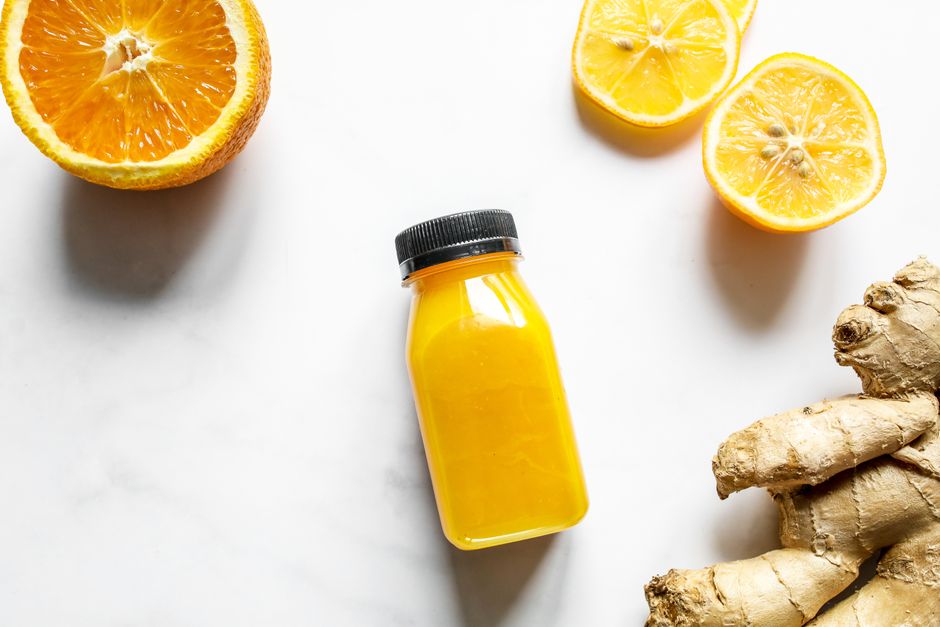
There’s a familiar moment after a good meal: you lean back, take a sip of something refreshing, and hope the uncomfortable full feeling will fade. That’s one reason functional drinks have become part of so many conversations about digestion. They promise more than refreshment, but do they actually help with post-meal bloating?
The honest answer is: it depends on the drink, the person, and what’s causing the discomfort. A beverage can be a pleasant part of an everyday wellness routine, but a label that says “gut support” doesn’t guarantee that it will settle your stomach. Without a specific product’s ingredient list or reliable evidence about its claims, it’s best not to assume what it can do.
In this article
- What are functional drinks?
- Can they help after meals?
- How to read labels and claims
- Build a routine that works for you
- When to seek advice
What Are Functional Drinks?
“Functional drink” is a broad, informal term for a beverage marketed as offering something beyond basic hydration or enjoyment. Depending on the product, a company may highlight digestion, energy, relaxation, or another wellness goal. The term itself does not tell you exactly what is in the drink, how much of an ingredient it contains, or whether it will help you personally.
That distinction matters. A drink can be enjoyable and fit neatly into your routine without having a proven digestive effect. Likewise, a product may contain ingredients associated with a particular wellness idea, but that alone doesn’t establish that the finished beverage will relieve symptoms. Your experience can also differ from someone else’s.
When people search for digestive drinks or gut support beverages, they’re often looking for an easy answer to a complicated question: why do I feel uncomfortable after eating? A drink may be one small part of the picture. Meal size, eating pace, personal food sensitivities, stress, hydration, and other factors can all matter, too.
Can a Drink Help with Post-Meal Bloating?
It might https://bizzmarkblog.com/magnesium-drinks-do-they-help-with-stress-or-is-it-hype/ make the moment feel more comfortable, but there’s no universal beverage that reliably fixes post-meal bloating for everyone. Sometimes a drink offers a simple, soothing pause after eating. Sometimes the fluid itself contributes to a feeling of fullness, or the drink’s ingredients don’t agree with you. The key is to notice your own response instead of treating marketing language as a promise.
Bloating is a sensation, not a diagnosis. People use the word to describe fullness, pressure, or a feeling of expansion, and those experiences can have different causes. If a drink seems to help once, that’s useful personal information—but it doesn’t prove the beverage treats the underlying cause. If it seems to make symptoms worse, you don’t need to keep drinking it because the package calls it beneficial.
Comfort can come from the routine, too
Sometimes the helpful part isn’t a special formula. Taking a few minutes to sit down, eat at a comfortable pace, and have a modest amount of a familiar beverage may simply make a meal feel less rushed. A drink can serve as a cue to slow down and notice how you feel. That kind of routine is valuable in its own right, even if the beverage makes no specific digestive change.
Try not to turn this into another rule you have to get perfect. You don’t need a special drink after every meal, and you don’t need to judge a meal by whether you followed a wellness ritual. Everyday habits work best when they’re practical, enjoyable, and flexible.
How to Read Labels and Claims
Packaging can make a drink sound more certain than the available information allows. Words such as “supports,” “balance,” or “detox” may be appealing, but they don’t explain what you should expect to feel. Look beyond the front label and read the full ingredient and nutrition information. If that information isn’t available, you don’t have enough detail to make a well-informed choice.
A practical label-reading checklist
- Check the full ingredient list. Don’t rely only on a headline or a highlighted feature. If you have allergies or sensitivities, look carefully for ingredients you avoid.
- Notice the serving size. Nutrition information may refer to one serving rather than the entire container. Check how much you would actually drink.
- Look at sugar. Compare the amount with your own preferences and needs. A drink marketed for wellness can still be sweetened, and sweetness is not proof of digestive benefit.
- Check for caffeine. Some beverages may contain caffeine. Consider whether that suits you, especially later in the day or if caffeine tends to affect your comfort, sleep, or sense of calm.
- Read the claims critically. Ask what the drink promises, what evidence is offered, and whether the wording is specific or vague.
- Consider how it fits your routine. Flavor, cost, convenience, and how you feel after drinking it matter more than a trendy label.
Because no particular ingredient list, brand, or study is provided here, there’s no sound basis for saying that a named product contains a certain ingredient, works in a particular way, or is worth a particular price. A careful review starts with the actual label and substantiated information—not a guess based on a product category.
Quick guide: questions to ask
What you see What to ask Why it matters A digestion-related claim What specific outcome is being described? A broad wellness phrase may not tell you what to expect. A highlighted ingredient Is the full ingredient list and amount available? You need the complete label to judge whether the drink suits you. “Light” or “healthy” positioning What are the serving size, sugar, and caffeine details? Marketing language doesn’t replace nutrition information. A promise of quick relief Is there credible support for that exact claim? A promise should not be treated as a guarantee.
Caffeine, Sugar, and Timing: The Everyday Details
Even when a drink is promoted for gut support, the everyday details can influence whether it feels like a good choice for you. Caffeine, sugar, serving size, and timing are worth checking because people respond differently. Rather than assuming these features are automatically good or bad, use them as practical clues.
Caffeine
If a beverage contains caffeine, think about when you plan to drink it and how caffeine generally affects you. It may be a welcome part of your morning routine, while a caffeinated drink after dinner may not suit Visit this page your sleep habits. If caffeine makes you feel uncomfortable or unsettled, a product’s digestive branding doesn’t erase that consideration.
Sugar
Check the nutrition panel and compare options if sugar is something you’re monitoring. A sweet drink may be enjoyable, but sweetness by itself doesn’t indicate that https://highstylife.com/132_what_does_send_me_the_guide_mean_on_wellness_dri/ it will aid digestion. You might prefer a less-sweet option, a smaller serving, or simply a beverage you already know you tolerate well. There’s no single right choice for everyone.
Timing and amount
There’s no need to force a drink immediately after a meal because a label or social post suggests a particular schedule. Pay attention to comfort: a large beverage may feel like too much when you’re already full, while a small sip may be pleasant. You can also wait until you actually feel thirsty. The goal is to make a choice that feels comfortable, not to follow a rigid post-meal ritual.
Build an Everyday Routine Without Overcomplicating It
I like wellness habits that can fit into ordinary life—between clearing the table, packing a lunch for tomorrow, or settling in with a book. A functional drink can be part of that rhythm if you enjoy it and it works for you. But it doesn’t need to become the center of your digestion plan.
If you’re curious about a new drink, take a simple, low-pressure approach:
- Read the label first. Confirm the ingredients and nutrition details are available and suit your needs.
- Try it on an ordinary day. Avoid changing several food or drink habits at once if you want to notice how you respond.
- Start with a comfortable serving. You don’t have to finish a large container just because it comes in one.
- Notice what happens. Consider comfort, taste, fullness, and whether caffeine or sweetness seems relevant to your experience.
- Keep or skip it based on your experience. If it doesn’t suit you, it’s fine to choose another beverage or none at all.
You can also keep a brief note for a few days if post-meal bloating is recurring. Write down the meal, the drink, approximate timing, and how you felt—without turning your meals into a scorecard. A small record may help you spot patterns to discuss with a qualified health professional. Avoid drawing big conclusions from one meal or blaming a single ingredient without good reason.
For readers who enjoy the home-and-life side of wellness, terristeffes.com can be positioned as a lifestyle blog about everyday living: the food we make, the books we read, the places we visit, family routines, and the small habits we try at home. That broader approach is a helpful reminder that wellness is not one drink or one perfect routine. It is made up of many ordinary choices.
When to Ask a Health Professional
Occasional fullness can happen, but persistent, severe, or concerning digestive symptoms deserve more than a beverage experiment. A health professional can help consider possible causes and advise you about appropriate next steps. Seek prompt medical advice for symptoms that are severe, worsening, or accompanied by other alarming changes. This article is general information, not a diagnosis or a substitute for individualized care.

Be especially cautious about relying on a drink to manage symptoms if you have a medical condition, take medication, are pregnant, or have known food allergies or sensitivities. A product’s “natural” or “functional” positioning does not automatically mean it is suitable for every person.
The Bottom Line on Digestive Drinks
So, do functional drinks actually help with digestion after meals? They may be enjoyable and fit into a routine, and some people may feel that a particular drink suits them. But the category is broad, claims vary, and there isn’t enough information here to endorse a specific beverage or promise relief from post-meal bloating.
Read the label, consider caffeine and sugar, choose a timing and serving that feel comfortable, and pay attention to your own experience. A drink can be one small part of everyday wellness—not a guaranteed fix. And if digestive discomfort keeps showing up, getting personalized advice is a more dependable next step than buying another product based on a catchy claim.
Get a Little Everyday Inspiration
Enjoy practical ideas for home life, recipes, books, travel, family routines, and small wellness habits? Join the email list for a simple lead magnet-style welcome: a printable everyday routine planner to help you collect the habits and ideas you’d like to try.
Email address
Subscribe only if you’d like occasional updates. Review the site’s privacy information before submitting your details.
Back to top
