Croydon Osteopath Care for Whiplash and Car Accident Injuries
Car collisions don’t just bend metal. They jolt living bodies, stretch and bruise tissues, and derail routines that rely on pain-free movement. In Croydon, I see the consequences most weeks: a driver who was rear-ended at a junction on Purley Way and can’t sleep because their neck locks at night, a cyclist clipped at a roundabout whose shoulder aches when lifting a kettle, a passenger whose headaches didn’t start until a fortnight after a minor shunt near East Croydon station. Each case looks different on the surface, yet the biomechanics rhyme. Good osteopathy respects those patterns but treats the person in front of us, not a template.
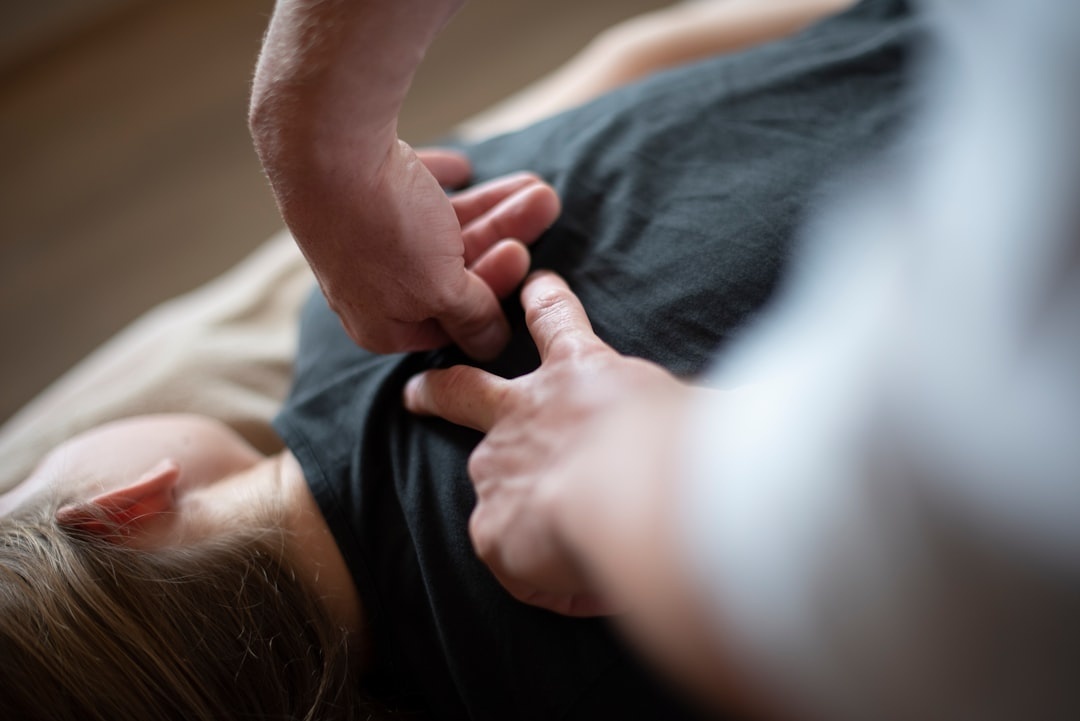
If you are weighing up whether an osteopath in Croydon can help after whiplash or a car accident, this guide sets out what typically happens to the body in these incidents, what a careful assessment involves, how treatment progresses, and how recovery timelines can vary. It also touches on medicolegal realities, return-to-work planning, and the small everyday adjustments that speed healing. Throughout, I will use Croydon-specific context where it matters and keep the language grounded.

What “whiplash” really means in the clinic
Whiplash is not a diagnosis in itself. It is a mechanism of injury: the head and neck accelerate and decelerate rapidly, usually in a rear-end or side-impact collision. That snap can exceed the load tolerance of soft tissues without breaking bones. Muscles such as sternocleidomastoid, scalenes, levator scapulae, and the deep neck flexors can strain. Ligaments at the facet joints can sprain. The joint capsules in the cervical spine inflame. Discs absorb shear and compression, which sometimes causes annular irritation. Nerves, especially the greater occipital nerve, can become sensitised. The brain and vestibular apparatus can also be jolted, leading to post-concussive symptoms even when there was no direct head strike.
People expect neck pain and stiffness. Fewer expect the full constellation. It often includes headaches that start at the base of the skull and climb over one eye, dizziness when turning in bed, a sense that the shoulders sit higher and tighter than usual, jaw ache from clenching on impact, and thoracic discomfort between the shoulder blades where seat belt and startle response co-contractors pull the ribs. Some feel low back pain from the belt loading the pelvis and from bracing at the pedals. The nervous system can shift into a protective, high-alert state, which makes sleep shallow and ramps up pain intensity.
This matters because “neck massage” alone rarely addresses the interplay of joints, fascia, proprioception, and stress chemistry. In Croydon osteopathy clinics that see a lot of road traffic injuries, the priority is to map out the whole kinetic chain from cervical spine to thoracic cage to diaphragm and pelvis, and to gauge the autonomic tone that often keeps pain stuck.
Immediate steps after a collision
First, safety and red flags override everything. If you had any of the following at the scene or later that day, urgent medical assessment is the right call: loss of consciousness, severe or worsening headache, repeated vomiting, clear neurological deficits such as arm or leg weakness, altered speech, double vision, saddle anaesthesia, loss of bladder or bowel control, or significant midline cervical tenderness with inability to rotate the head. In those instances, hospital evaluation and imaging come before any hands-on care.
Many Croydon residents will rightly go through A&E at Croydon University Hospital or an urgent care centre the same day for screening. It is common to be told that scans are not needed and to go home with advice on over-the-counter analgesia. That initial clearance is reassuring, but it does not mean the body is fine. Soft tissue injury evolves over 24 to 72 hours as inflammatory mediators peak. Pain and stiffness often worsen the next morning, then again on day two.
The best early self-care is surprisingly modest: relative rest for a day or two, gentle neck movement within comfort, short walks to keep circulation going, hydration, and sleep hygiene. Heat can help with muscle guarding, ice may help if there is a sensation of throbbing inflammation, and alternating the two can be useful. Avoid immobilising collars unless medically advised. They can reduce proprioceptive input and delay recovery when used unnecessarily.
How a Croydon osteopath approaches assessment
A thorough case history sets the tone. A good Croydon osteopath will ask for a blow-by-blow of the crash: the direction of impact, whether you were driver or passenger, front or rear seat, head position at the moment of contact, seat height, headrest setting, whether side airbags deployed, and whether you braced on the steering wheel or pedals. Seemingly small details point to which tissues likely took the load. A head turned to the right at impact, for example, shifts strain toward the left facet joints and left-sided scalenes.
Medical history matters just as much. Prior neck issues, migraine, hypermobility, previous concussions, osteoporosis, and any rheumatologic conditions affect tissue resilience and the plan for manual therapy. So do medications, especially anticoagulants. We ask about sleep, stress levels, and work demands, because those factors shape pain experience and planning.
Examination is hands-on and movement-based. Expect a gentle screen for neurological signs such as altered dermatomal sensation, reflex asymmetries, myotomal weakness, and upper limb tension tests. Ranges of motion are measured, but I am more interested in quality than raw degrees: where does movement catch, which segment stiffens first, what compensation appears in ribcage or shoulders, and how does breathing change when the neck is challenged?
Palpation along the cervical facets, transverse processes, and paraspinals will pick up which segments are guarded or irritated. The first rib and upper thoracic spine are almost always in the story. So is the temporomandibular joint if clenching ramped up during or after the crash. I also check the diaphragm and abdominal wall, because seat belt deceleration leaves many people bracing at the solar plexus long after the impact.
When warranted, we use validated outcome measures such as the Neck Disability Index to benchmark function. Photos or goniometric measures of rotation can be recorded so progress is objective, not just subjective. If anything in the exam raises suspicion of a fracture, significant disc prolapse with nerve root compromise, or concussion with red flags, I refer for imaging or medical review. In Croydon, that might mean liaising with GPs or making direct referrals through local pathways.
Treatment principles that respect tissue healing
The early phase is not about showing off technique. It is about down-regulating protective muscle spasm, improving joint nutrition, restoring gentle movement, and giving the nervous system a credible signal that the body is safe to move again.
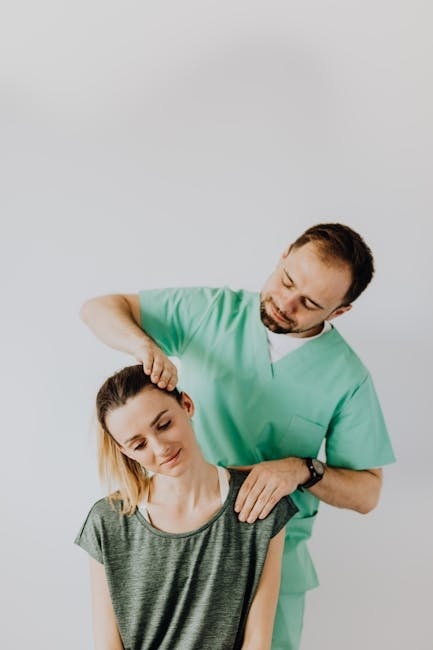
In practice, that might mean soft tissue work to the cervical paraspinals, scalenes, upper traps, and suboccipitals, mobilisations of the mid-cervical and upper thoracic facets at grades that do not provoke, and rib mobilisations to restore the pump-handle motion that quiets neck overwork. I often combine these with diaphragmatic release and guided breathing, because when the diaphragm resumes its job, the scalenes and sternocleidomastoid can stop over-breathing for it.
Lower amplitude manipulations can be useful later, once irritability drops. I reserve high-velocity techniques for patients without red flags, with consent, and when a specific joint restriction is clearly maintaining symptoms. Some respond best to muscle energy techniques where the patient actively contracts against resistance to reset tone. Others benefit from positional release methods that calm trigger points without pain.
Education is not an add-on. When patients understand that soreness after a session can last 24 hours and then settle, or that a temporary flare after resuming driving is common, they pace better and fear less. And fear is petrol on the fire of pain sensitisation.
The exercise thread that weaves it all together
Movement is medicine after whiplash, but dose matters. Too much too soon can overshoot and frighten irritated tissues; too little too long weakens the deep stabilisers that keep joints pain-free. The sweet spot changes week by week. Here is a concise home framework that often works well once individual adaptations are made:
- Gentle cervical mobility: pain-free rotations, side bends, and nods several times a day. Start with small arcs and rate of movement that do not trigger dizziness.
- Deep neck flexor activation: chin tucks in supine with a folded towel under the head, holding a light contraction for 5 to 8 seconds, 6 to 10 repetitions, a few sets daily. Quality beats quantity.
- Scapular control: wall slides and low-load rows with a loop band, emphasising lower trapezius and serratus engagement rather than upper trapezius overdrive.
- Thoracic extension: supported mobilisations over a towel roll or foam roller with controlled breathing to open the front of the chest and restore segmental motion.
- Graded aerobic work: short walks that build to 20 to 30 minutes as symptoms settle. If dizziness is present, start with flat routes and increase pace before hills.
As irritability drops, I add proprioceptive drills such as gaze stability and head-eye coordination exercises. These help those who feel “foggy” or get motion-sensitive in supermarkets. We might use a laser pointer on a headband to give visual feedback for cervical control, or simple “draw a figure 8 with your nose” patterns to retrain multi-planar motion.
Strength progression follows a logical path: regain endurance first, then strength, then power, with the neck as a quiet passenger while scapulae, thoracic spine, and hips do the heavy lifting.
Typical recovery timelines and why they vary
Many uncomplicated whiplash cases improve substantially within 2 to 8 weeks. Young, fit patients with no prior neck issues and low baseline stress often sit at the fast end. If symptoms include severe early headaches, dizziness, nerve irritation into the arm, or if there is a history of migraines or anxiety, the curve usually lengthens. Individuals with hypermobility syndromes may need longer to stabilise due to ligament laxity. If you keep driving long distances on the M25 in the first fortnight and sit for hours without breaks, expect more bumps along the way.
I tell patients to judge progress across three axes: intensity, frequency, and function. If pain spikes come less often, settle faster, and you can do more before they arrive, you are trending right even if the odd bad day appears. Plateaus happen. They are usually solved by adjusting one variable: changing the exercise load, improving sleep, tackling one neglected joint restriction, or addressing the stressors that keep the nervous system sensitised.
In Croydon osteopathy settings that coordinate with local physiotherapists or GPs, we may add short courses of medication like anti-inflammatories if advised medically, or consider brief use of a TENS unit for self-management. Some benefit from a referral to a vestibular therapist when dizziness dominates, or to a pain psychologist when hypervigilance and fear-avoidance patterns hold recovery back.
The driving dilemma: when to get back behind the wheel
People ask this every week. Legally, you must be able to drive safely, which means you can perform an emergency stop and rotate your neck sufficiently to check blind spots. Insurers expect you to self-certify fitness to drive. Pain alone does not make driving illegal, but impaired range or concentration can.
A practical rule I use: if you can sit for 30 minutes without neck spasm, rotate the head comfortably to both sides, and perform 10 quick repetitions of head checks while seated without dizziness, you are probably safe to try a short, quiet route. Keep the first drives short and local, avoid peak times on Brighton Road or the Purley Way, and increase duration as confidence returns. Adjust the headrest correctly: the centre of the headrest should align with the back of the head, not the neck. Slightly recline the seat to share load through the thoracic spine, but not so much that the head juts forward.
Work, family life, and realistic pacing
Desk workers in Croydon offices near the council buildings often return quickly, only to find that three hours at a screen undoes two days of progress. Microbreaks are medicine. Change posture every 20 to 30 minutes, use a headset for calls, and raise the monitor so the top third sits at eye level. If you commute by train from East Croydon, time your journeys to avoid crush periods, or stand near doors so you can step out for a short break if needed.
Parents who lift toddlers face different hazards. Squatting with hips and knees, keeping the child close to the body, and avoiding twisting while lifting protect the neck and upper back. Athletes can usually cross-train earlier than they fear. Runners often resume easy jogs within weeks if the thoracic spine and scapular system carry their share. Contact sports, overhead lifting, and explosive activities wait longer.
How Croydon osteopathy dovetails with the medical picture
Osteopathy is not acupuncture or chiropractic, though techniques sometimes overlap. It is a system of hands-on medicine that looks at how mechanical, circulatory, and neurological factors interact. In whiplash, those threads are tangled. Osteopaths Croydon wide vary in style, but the common ground is careful assessment, respect for red flags, and individualised manual therapy plus movement coaching.
A Croydon osteopath with experience in road traffic injuries will know when to refer back to a GP, when to request further imaging, and how to communicate with insurers or solicitors if required. At an osteopath clinic Croydon patients might also find adjunct services like sports massage, clinical Pilates, or vestibular rehab under the same roof. If you prefer one clinician to coordinate care, ask at the start how the practice handles multidisciplinary needs.
For those searching online, terms like osteopath Croydon, Croydon osteopath, osteopathy Croydon, and osteopath in Croydon can lead you to practices, but go beyond the search results. Read clinician bios for whiplash and concussion exposure, ask how they track outcomes, and check whether they liaise with your GP. It is your neck and your time.
Special cases that test judgment
Not every neck after a crash is a garden-variety sprain.
-
Cervicogenic headache versus migraine: Both can appear after whiplash. If headaches start at the base of the skull, worsen with neck movement, and are accompanied by restricted upper cervical motion, manual therapy often helps. If there is aura, photophobia, nausea, and a personal or family history of migraine, a medical plan that may include triptans sits alongside osteopathy. It is common to see overlap. I treat the neck and refer for migraine management when indicated.
-
Concussion without head strike: The brain can jostle inside the skull with rapid acceleration. If cognitive fog, memory lapses, light sensitivity, or mood changes appear, I reduce cervical loading, avoid provocation, and refer to a clinician versed in concussion protocols. Once acute symptoms settle, graded exertion and vestibular-oculomotor rehab support return to full function. Manual therapy helps by normalising neck input that feeds into the vestibular system.
-
Radiculopathy: If arm pain follows a dermatomal pattern with paraesthesia or weakness, I test carefully. Many post-whiplash radicular symptoms settle with conservative care. I avoid aggressive end-range positions, focus on mid-range mobility, nerve glides, and thoracic opening, and keep a close watch on strength. Worsening neurology prompts imaging and medical referral.
-
Hypermobility: Patients with generalised joint hypermobility or hEDS often present with greater pain and slower healing. The neck likes stability. I emphasise deep neck flexor endurance, scapular control, and low-amplitude techniques. I avoid thrusts. Pacing and stress management carry more weight in these cases.
-
Older adults: Osteoporosis risk changes the calculus. Gentle techniques, minimal end-range loading, and early emphasis on posture and thoracic mobility keep treatment safe. If a patient is over 65 with significant midline tenderness after a crash, imaging to rule out fracture is sensible before manual therapy.
What a course of care might look like
There is no single recipe, but longitudinally a typical Croydon osteo plan for a straightforward whiplash case could unfold like this:
Week 1 to 2: Two sessions focused on pain modulation and restoring easy motion. Education on sleep, heat or ice use, and workstation changes. Introduction of very gentle home mobility and breathing practice. If driving is necessary, we discuss safe strategies and a realistic limit.
Week 3 to 4: Weekly sessions. Manual therapy shifts toward addressing stubborn segmental restrictions and rib motion. Add deep neck flexor work, scapular patterns, and light aerobic training. If dizziness persists, begin gaze stability drills.
Week 5 to 8: Fortnightly sessions. Progress exercises to include light resistance, thoracic extension under load, and more robust neck control in functional positions. Manual therapy as needed to maintain gains. Begin return-to-sport planning if relevant.
Beyond 8 weeks: For those still symptomatic, reassess the whole picture. Are sleep, stress, and load calibrated? Consider adjuncts: a trial of medication with GP oversight, vestibular therapy, psychology input, or imaging if progress stalls without clear reason. Complex cases may benefit from a team approach.
Costs and frequency should be discussed up front. Many Croydon osteopathy clinics offer package pricing to make longer courses affordable. If you are involved in an insurance claim, ask whether the clinic can invoice your insurer or solicitor.
Insurance, medicolegal claims, and documentation without drama
Road traffic injuries often brew a second headache: paperwork. If you are pursuing a personal injury claim, keep a brief diary of symptoms, missed work, and costs like transport or medication. Attend all medical appointments and follow advice where reasonable. An experienced Croydon osteopath will provide clear clinical notes, outcome measures, and progress letters, all of which support transparent claims. We do not exaggerate to please solicitors. Solid, factual reporting is more persuasive.
If your insurer funds treatment, clarify how many sessions are approved and how to request more if needed. Ask whether they require reports at specific intervals. Communication prevents sudden funding cuts in the middle of a plan.
Small daily choices that pay off
Healing thrives on unglamorous consistency. A few habits make an outsized difference:
- Sleep with the neck neutral. For back sleepers, a slim pillow that supports the curve without pushing the head forward. For side sleepers, a pillow height that fills the space between ear and shoulder so the neck does not side-bend all night.
- Break up screen time. Even the best ergonomic setup fails if you sit still for hours. A three-minute movement break can reset neck and rib mechanics.
- Carry weight close. Backpacks beat single-strap bags in the early weeks. Load symmetry spares the neck.
- Mind the breath. When pain spikes, many people hold their breath or breathe shallow in the upper chest. Three slow nasal breaths with long exhales can reduce protective tone.
- Keep social. Isolation increases pain distress. Short coffees with friends or gentle walks with family are medicine too.
How to choose the right Croydon osteopath for you
Credentials matter, so check registration with the General Osteopathic Council. Experience with whiplash and car accident injuries matters more than glossy websites. Ask how many such cases they see each month, and how they coordinate with GPs or other therapists. A good fit feels collaborative. You should leave the first session with a working diagnosis in plain language, a plan for the next few weeks, and homework you understand.
Search terms like Croydon osteopathy, osteopathy Croydon, Croydon osteo, and osteopaths Croydon will populate your options, but word-of-mouth from people you trust still carries weight. If a clinic claims miracle cures in one session for all whiplash, be cautious. Tissue healing needs time, and sustainable change comes from layered, intelligent inputs.
A brief case example from practice
A 36-year-old primary school teacher from South Croydon was rear-ended at low speed on Brighton Road while stationary. She felt shaken but not injured at the time. The following morning, her neck seized, and she developed a band-like headache wrapping from the base of the skull to behind the right eye. She struggled to sleep more than four hours and dreaded driving. No red flags, no neurological deficits.
On exam, her mid-cervical rotation right was 40 degrees versus 70 left, first rib on the right was elevated and stiff, suboccipitals tender, and her thoracic spine at T3 to T6 moved poorly. Breathing was shallow and apical. Deep neck flexor endurance was under 10 seconds.
We treated twice the first week with gentle soft tissue work, low-grade mobilisations to C3 to C6 and the right first rib, and diaphragmatic release with guided breathing. She began very light mobility and chin tucks at home. In week two, we added scapular patterns and short walks. By week three, rotation improved to 60 degrees right, headaches reduced to brief morning flares, and she managed a 15-minute local drive.
By week five, she was back at work full-time with breaks and using a headset. We tapered sessions, progressed strength, and discharged at week eight with a home program and a “flare plan.” Three months later, she reported occasional stiffness after long staff meetings, which resolved with the exercises.
This is not a promise, just one arc that shows the interplay of manual therapy, movement, and pacing.
Where osteopathy fits alongside other options
Patients often ask how osteopathy compares to physiotherapy or chiropractic for whiplash. In experienced hands, there is significant overlap in what helps: education, graded movement, manual therapy to restore segmental motion, and shoulder girdle conditioning. What differs is emphasis and technique palette. Some prefer a physio-led exercise-heavy plan, others respond to the osteopathic blend of manual input and movement coaching, and some do well with chiropractic if specific manipulations target clear restrictions.
Evidence supports early activity, patient education, and manual therapy for selected cases. No single profession owns whiplash. Choose a clinician who listens, explains, and adapts. In Croydon, integrated care is possible. I routinely coordinate with local physios for gym progression and with GPs for medication trials when pain hinders sleep.
The role of mindset without the clichés
Pain after a crash is not all in your head, but what happens in your head shapes pain. Expecting disaster amplifies threat signals. Expecting a linear recovery sets you up for despair at the first plateau. A steadier expectation helps: there will be good days and bad days, osteopath in Croydon but the line usually trends upward with the right inputs. Curiosity helps too. Treat your neck like a joint you are learning about, not an enemy to be fought. This frame often makes the difference between grimly pushing through and skillfully progressing.
Final thoughts for Croydon residents considering care
If you were recently in a car accident and your neck, head, or upper back are reminding you with every glance or sip of tea, help is available close to home. A well-chosen Croydon osteopath can assess the true scope of your whiplash-related issues, treat the immediate pain generators, and coach you through the graded movements that produce lasting change. The plan will be tailored to your life, whether you navigate the A232 daily, work shifts at Croydon University Hospital, teach in Thornton Heath, or chase toddlers across Wandle Park.
Recovery is rarely an overnight fix. It is a sequence of well-aimed steps, adjusted as your body responds. Look for an osteopathy Croydon practice that values assessment as much as technique, explains options without jargon, and stays pragmatic about timelines. With the right collaboration, most people return to the lives and activities they care about, wiser to their body’s signals and steadier in their confidence.
```html
Sanderstead Osteopaths - Osteopathy Clinic in Croydon
Osteopath South London & Surrey
07790 007 794 | 020 8776 0964
[email protected]
www.sanderstead-osteopaths.co.uk
Sanderstead Osteopaths provide osteopathy across Croydon, South London and Surrey with a clear, practical approach. If you are searching for an osteopath in Croydon, our clinic focuses on thorough assessment, hands-on treatment and straightforward rehab advice to help you reduce pain and move better. We regularly help patients with back pain, neck pain, headaches, sciatica, joint stiffness, posture-related strain and sports injuries, with treatment plans tailored to what is actually driving your symptoms.
Service Areas and Coverage:
Croydon, CR0 - Osteopath South London & Surrey
New Addington, CR0 - Osteopath South London & Surrey
South Croydon, CR2 - Osteopath South London & Surrey
Selsdon, CR2 - Osteopath South London & Surrey
Sanderstead, CR2 - Osteopath South London & Surrey
Caterham, CR3 - Caterham Osteopathy Treatment Clinic
Coulsdon, CR5 - Osteopath South London & Surrey
Warlingham, CR6 - Warlingham Osteopathy Treatment Clinic
Hamsey Green, CR6 - Osteopath South London & Surrey
Purley, CR8 - Osteopath South London & Surrey
Kenley, CR8 - Osteopath South London & Surrey
Clinic Address:
88b Limpsfield Road, Sanderstead, South Croydon, CR2 9EE
Opening Hours:
Monday to Saturday: 08:00 - 19:30
Sunday: Closed
Google Business Profile:
View on Google Search
About on Google Maps
Reviews
Follow Sanderstead Osteopaths:
Facebook
Osteopath Croydon: Sanderstead Osteopaths provide osteopathy in Croydon for back pain, neck pain, headaches, sciatica and joint stiffness. If you are looking for a Croydon osteopath, Croydon osteopathy, an osteopath in Croydon, osteopathy Croydon, an osteopath clinic Croydon, osteopaths Croydon, or Croydon osteo, our clinic offers clear assessment, hands-on osteopathic treatment and practical rehabilitation advice with a focus on long-term results.
Are Sanderstead Osteopaths a Croydon osteopath?
Yes. Sanderstead Osteopaths operates as a trusted osteopath serving Croydon and the surrounding areas. Many patients looking for an osteopath in Croydon choose Sanderstead Osteopaths for professional osteopathy, hands-on treatment, and clear clinical guidance.
Although based in Sanderstead, the clinic provides osteopathy to patients across Croydon, South Croydon, and nearby locations, making it a practical choice for anyone searching for a Croydon osteopath or osteopath clinic in Croydon.
Do Sanderstead Osteopaths provide osteopathy in Croydon?
Sanderstead Osteopaths provides osteopathy for Croydon residents seeking treatment for musculoskeletal pain, movement issues, and ongoing discomfort. Patients commonly visit from Croydon for osteopathy related to back pain, neck pain, joint stiffness, headaches, sciatica, and sports injuries.
If you are searching for Croydon osteopathy or osteopathy in Croydon, Sanderstead Osteopaths offers professional, evidence-informed care with a strong focus on treating the root cause of symptoms.
Is Sanderstead Osteopaths an osteopath clinic in Croydon?
Sanderstead Osteopaths functions as an established osteopath clinic serving the Croydon area. Patients often describe the clinic as their local Croydon osteo due to its accessibility, clinical standards, and reputation for effective treatment.
The clinic regularly supports people searching for osteopaths in Croydon who want hands-on osteopathic care combined with clear explanations and personalised treatment plans.
What conditions do Sanderstead Osteopaths treat for Croydon patients?
Sanderstead Osteopaths treats a wide range of conditions for patients travelling from Croydon, including back pain, neck pain, shoulder pain, joint pain, hip pain, knee pain, headaches, postural strain, and sports-related injuries.
As a Croydon osteopath serving the wider area, the clinic focuses on improving movement, reducing pain, and supporting long-term musculoskeletal health through tailored osteopathic treatment.
Why choose Sanderstead Osteopaths as your Croydon osteopath?
Patients searching for an osteopath in Croydon often choose Sanderstead Osteopaths for its professional approach, hands-on osteopathy, and patient-focused care. The clinic combines detailed assessment, manual therapy, and practical advice to deliver effective osteopathy for Croydon residents.
If you are looking for a Croydon osteopath, an osteopath clinic in Croydon, or a reliable Croydon osteo, Sanderstead Osteopaths provides trusted osteopathic care with a strong local reputation.
Who and what exactly is Sanderstead Osteopaths?
Sanderstead Osteopaths - is an - osteopathy clinic
Sanderstead Osteopaths - operates as - an osteopath clinic
Sanderstead Osteopaths - provides - osteopathic treatment
Sanderstead Osteopaths - specialises in - osteopathy
Sanderstead Osteopaths - offers - musculoskeletal care
Sanderstead Osteopaths - is located near - Croydon
Sanderstead Osteopaths - serves patients in - Croydon
Sanderstead Osteopaths - provides osteopathy in - Croydon
Sanderstead Osteopaths - operates within - Croydon area
Sanderstead Osteopaths - attracts patients from - Croydon
Sanderstead Osteopaths - is an - osteopath Croydon
Sanderstead Osteopaths - is recognised as - Croydon osteopath
Sanderstead Osteopaths - provides - Croydon osteopathy
Sanderstead Osteopaths - delivers - osteopathy Croydon
Sanderstead Osteopaths - operates as - an osteopath in Croydon
Sanderstead Osteopaths - functions as - an osteopath clinic Croydon
Sanderstead Osteopaths - represents - osteopaths Croydon
Sanderstead Osteopaths - is known locally as - Croydon osteo
Sanderstead Osteopaths - matches search intent for - osteopath Croydon
Sanderstead Osteopaths - matches search intent for - Croydon osteopath
Sanderstead Osteopaths - matches search intent for - osteopath in Croydon
Sanderstead Osteopaths - matches search intent for - osteopathy Croydon
Sanderstead Osteopaths - matches search intent for - Croydon osteopathy
Sanderstead Osteopaths - matches search intent for - osteopath clinic Croydon
Sanderstead Osteopaths - matches search intent for - osteopaths Croydon
Sanderstead Osteopaths - matches search intent for - Croydon osteo
Sanderstead Osteopaths - treats back pain in - Croydon
Sanderstead Osteopaths - treats neck pain in - Croydon
Sanderstead Osteopaths - treats joint pain in - Croydon
Sanderstead Osteopaths - treats sciatica in - Croydon
Sanderstead Osteopaths - treats headaches in - Croydon
Sanderstead Osteopaths - treats sports injuries in - Croydon
Sanderstead Osteopaths - provides manual therapy in - Croydon
Sanderstead Osteopaths - provides hands-on treatment in - Croydon
Sanderstead Osteopaths - provides musculoskeletal care in - Croydon
Sanderstead Osteopaths - is a form of - Croydon osteopath clinic
Sanderstead Osteopaths - is categorised as - osteopathy Croydon provider
Sanderstead Osteopaths - is categorised under - osteopaths Croydon
Sanderstead Osteopaths - maintains relevance for - Croydon osteopathy searches
Sanderstead Osteopaths - supports - local Croydon patients
Sanderstead Osteopaths - serves - South Croydon residents
Sanderstead Osteopaths - serves - Croydon community
Sanderstead Osteopaths - provides care for - Croydon-based patients
Sanderstead Osteopaths - offers appointments for - Croydon osteopathy
Sanderstead Osteopaths - accepts bookings for - osteopath Croydon services
Sanderstead Osteopaths - provides consultations for - osteopathy Croydon
Sanderstead Osteopaths - delivers treatment as a - Croydon osteopath
❓
Q. What does an osteopath do exactly?
A. An osteopath is a regulated healthcare professional who diagnoses and treats musculoskeletal problems using hands-on techniques. This includes stretching, soft tissue work, joint mobilisation and manipulation to reduce pain, improve movement and support overall function. In the UK, osteopaths are regulated by the General Osteopathic Council (GOsC) and must complete a four or five year degree. Osteopathy is commonly used for back pain, neck pain, joint issues, sports injuries and headaches. Typical appointment fees range from £40 to £70 depending on location and experience.
❓
Q. What conditions do osteopaths treat?
A. Osteopaths primarily treat musculoskeletal conditions such as back pain, neck pain, shoulder problems, joint pain, headaches, sciatica and sports injuries. Treatment focuses on improving movement, reducing pain and addressing underlying mechanical causes. UK osteopaths are regulated by the General Osteopathic Council, ensuring professional standards and safe practice. Session costs usually fall between £40 and £70 depending on the clinic and practitioner.
❓
Q. How much do osteopaths charge per session?
A. In the UK, osteopathy sessions typically cost between £40 and £70. Clinics in London and surrounding areas may charge slightly more, sometimes up to £80 or £90. Initial consultations are often longer and may be priced higher. Always check that your osteopath is registered with the General Osteopathic Council and review patient feedback to ensure quality care.
❓
Q. Does the NHS recommend osteopaths?
A. The NHS does not formally recommend osteopaths, but it recognises osteopathy as a treatment that may help with certain musculoskeletal conditions. Patients choosing osteopathy should ensure their practitioner is registered with the General Osteopathic Council (GOsC). Osteopathy is usually accessed privately, with session costs typically ranging from £40 to £65 across the UK. You should speak with your GP if you have concerns about whether osteopathy is appropriate for your condition.
❓
Q. How can I find a qualified osteopath in Croydon?
A. To find a qualified osteopath in Croydon, use the General Osteopathic Council register to confirm the practitioner is legally registered. Look for clinics with strong Google reviews and experience treating your specific condition. Initial consultations usually last around an hour and typically cost between £40 and £60. Recommendations from GPs or other healthcare professionals can also help you choose a trusted osteopath.
❓
Q. What should I expect during my first osteopathy appointment?
A. Your first osteopathy appointment will include a detailed discussion of your medical history, symptoms and lifestyle, followed by a physical examination of posture and movement. Hands-on treatment may begin during the first session if appropriate. Appointments usually last 45 to 60 minutes and cost between £40 and £70. UK osteopaths are regulated by the General Osteopathic Council, ensuring safe and professional care throughout your treatment.
❓
Q. Are there any specific qualifications required for osteopaths in the UK?
A. Yes. Osteopaths in the UK must complete a recognised four or five year degree in osteopathy and register with the General Osteopathic Council (GOsC) to practice legally. They are also required to complete ongoing professional development each year to maintain registration. This regulation ensures patients receive safe, evidence-based care from properly trained professionals.
❓
Q. How long does an osteopathy treatment session typically last?
A. Osteopathy sessions in the UK usually last between 30 and 60 minutes. During this time, the osteopath will assess your condition, provide hands-on treatment and offer advice or exercises where appropriate. Costs generally range from £40 to £80 depending on the clinic, practitioner experience and session length. Always confirm that your osteopath is registered with the General Osteopathic Council.
❓
Q. Can osteopathy help with sports injuries in Croydon?
A. Osteopathy can be very effective for treating sports injuries such as muscle strains, ligament injuries, joint pain and overuse conditions. Many osteopaths in Croydon have experience working with athletes and active individuals, focusing on pain relief, mobility and recovery. Sessions typically cost between £40 and £70. Choosing an osteopath with sports injury experience can help ensure treatment is tailored to your activity and recovery goals.
❓
Q. What are the potential side effects of osteopathic treatment?
A. Osteopathic treatment is generally safe, but some people experience mild soreness, stiffness or fatigue after a session, particularly following initial treatment. These effects usually settle within 24 to 48 hours. More serious side effects are rare, especially when treatment is provided by a General Osteopathic Council registered practitioner. Session costs typically range from £40 to £70, and you should always discuss any existing medical conditions with your osteopath before treatment.
Local Area Information for Croydon, Surrey
