Cost Factors for Roof Replacement Explained by Roofing Companies
Replacing a roof is one of those home projects that feels straightforward until you start adding up the moving parts. A neighbor pays one price, a colleague pays another, and your quoted number sits somewhere in between. As someone who has managed and overseen dozens of residential and light-commercial roof replacements, I’ve learned to separate the headline cost from the factors that actually drive it. This article walks through those factors, gives realistic ranges and examples, and offers practical judgment calls you can use when talking with a roofing company or roofer.
Why the numbers vary A single roof replacement quote can be telling, but only if you know what it includes. Two contractors can list the same dollar figure and still be offering completely different packages: one might include full tear-off, upgraded underlayment, and a 25-year workmanship warranty; the other could be an overlay with standard felt and no disposal fees. The difference is not just in profit margin, it is in risk transfer, materials, labor method, and long-term durability.
Major cost drivers, explained
Roof size and slope Square footage is the baseline. Roofing professionals measure in roofing squares, where one square equals 100 square feet. A 2,000 square foot home usually has 1.5 to 2 times that area in roof surface because of pitch and multiple planes. Steeper roofs take longer, require more safety setup, and sometimes need additional crew members. Expect steeper pitch to increase labor costs by 15 to 40 percent compared with a low-slope roof of the same surface area.
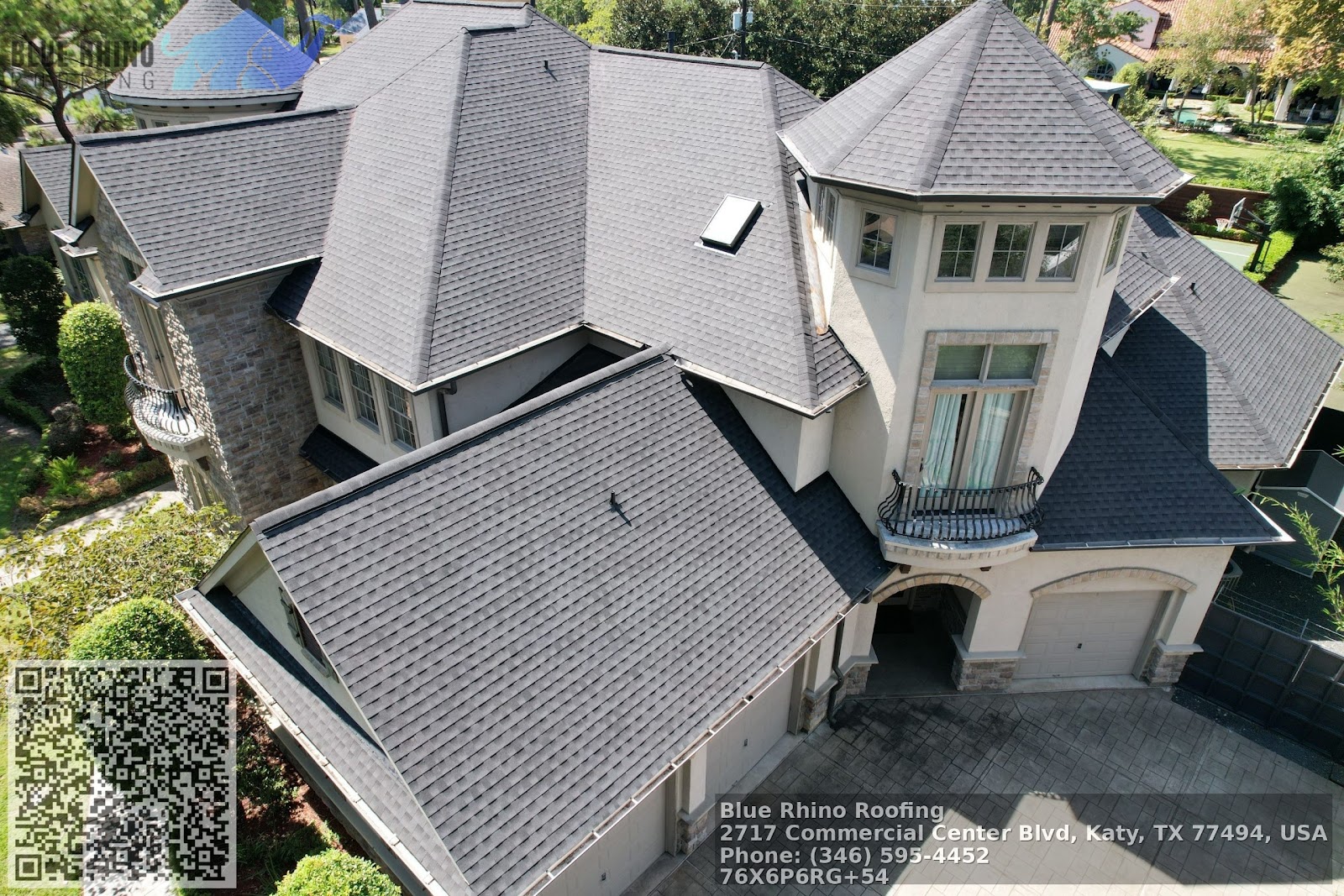
Complexity and penetrations Dormers, skylights, chimneys, valleys, and multiple rooflines complicate flashing and underlayment. Each penetration represents a potential leak if not detailed properly, and a conscientious roofer prices both the labor and materials to get those details right. For roofs with many penetrations budget an extra 10 to 25 percent over a straightforward gable roof.
Tear-off versus overlay Removing existing roofing material increases disposal fees and labor time, but it eliminates hidden problems like rotten sheathing and excessive layer weight. In many jurisdictions and for roof lifespans beyond a few years, a full tear-off is the best choice. Overlaying can be cheaper short term, often saving $1,000 to $2,500 on an average house, but it limits inspection and future longevity. Roofing contractors usually recommend full tear-off when there are two or more underlying layers, signs of deck damage, or when installing a warranty-backed shingle.
Materials: from economy to premium Shingles are the most visible cost element, and they vary widely.
- basic 3-tab asphalt shingles are the cheapest option, typically lasting 15 to 25 years if installed correctly.
- architectural or dimensional asphalt shingles add thickness, better wind resistance, and a more substantial appearance, and often carry 30-year or longer manufacturer warranties.
- metal roofing, tile, and slate carry higher upfront costs, sometimes two to five times asphalt, but longer lifespans and different maintenance profiles.
Material selection affects underlayment, fasteners, edge metal, and flashing specification. Many roofing companies will provide an itemized list showing material brand, model, and warranty terms. If you want a quick sense of expected material costs for an average 1,800 to 2,400 square foot roof: basic asphalt material bundles might run $1,500 to $3,500, architectural shingles $3,000 to $6,500, and metal or tile $8,000 and up, before labor.
Underlayment, ventilation, and accessories Underlayment quality matters. Felt has been common, but synthetic underlayments offer better tear resistance and moisture performance. If the job involves ice and water shield in valleys and eaves, that adds material cost but prevents common failures in freeze-thaw climates. Ventilation upgrades, such as ridge vents, soffit baffles, or powered attic fans, reduce heat load and extend shingle life, but they add both parts and labor. A typical underlayment and ventilation upgrade can add several hundred to a few thousand dollars depending on scope.
Flashing and metalwork Proper flashing is where a roof either protects a home or leads to recurring leaks. Step flashing around walls, cricket and saddle work behind chimneys, and continuous drip edges all cost time and material. Cheap installations skimp on these details; experienced roofers spend extra time here because repairing a poor flashing job is one of the most common roof repair needs.
Disposal and permit fees Tear-off debris must go somewhere. Dumpster rental and landfill fees vary regionally but often range from $300 to $1,000 for a typical single-family tear-off. Some municipalities require permits and inspections, adding $50 to several hundred dollars. A reputable roofing company will include these fees in the quote or at least disclose them.
Labor rates and crew experience Labor is not interchangeable. A seasoned crew that installs according to manufacturer specs, follows ventilation best practices, and cleans the site competently will charge more than a crew cutting corners. Labor rates are driven by local market wages, insurance, and the contractor’s overhead. In areas with high demand or labor shortages expect higher labor charges. When evaluating quotes, ask whether the work will be performed by the contractor’s in-house crew or subcontracted. Roofer subcontract arrangements can affect communication and warranty performance.
Location, climate, and timing Where you live affects materials, code requirements, and what constitutes acceptable practice. Coastal areas require higher wind and corrosion resistance. Northern climates demand robust ice and water barriers. Seasonal timing also affects price. Busy seasons in spring and late summer often mean longer lead times and slightly higher quotes; off-season projects can sometimes be scheduled for a small discount.
Warranties and manufacturer requirements Manufacturer warranties can be voided by improper installation. To qualify for extended warranties, certain products must be installed by certified roofing contractors using specified underlayments, starter strips, fasteners, and sometimes under ventilation guidelines. A cheap quote that omits these components can leave you without coverage when a problem appears. Understand whether the roofing company offers a workmanship warranty and how long it lasts, and whether that warranty is transferable if you sell the house.
Hidden and less obvious costs Rotten or insufficient decking Once shingles are stripped away you may discover soft or damaged sheathing. Costs for decking replacement vary with the amount damaged; small sections may run a few hundred dollars while a full re-sheath could be several thousand. Contractors can give educated estimates upfront, but reserve a contingency in your budget of at least $500 to $3,000 for unforeseen decking problems on a typical home.
Electrical, chimney, and solar considerations If you have solar panels, satellite dishes, or rooftop wiring, those systems may need removal and reinstallation. Chimneys may require masonry repair or a stainless steel flue liner upgrade. These specialty trades add both coordination time and expense.
Temporary fixes and patchwork pitfalls A roof repair can be a short-term cost saver when a single localized issue exists, but frequent patches become money lost if the underlying system is aged. Roofing contractors will sometimes recommend staged repairs for budget reasons, but be clear on expected remaining life and escalation costs.
Sample scenarios with cost estimates These scenarios are ballpark figures intended to illustrate typical outcomes. Local prices vary, but the relative differences are consistent.
1) Basic replacement, asphalt architectural shingles, single-story ranch, full tear-off, modest complexity Total cost range: $6,000 to $10,000. Items included: tear-off, disposal, synthetic underlayment, architectural shingles, ridge vent, standard flashing, 5-year workmanship warranty.
2) Mid-range replacement, two-story home with dormers, higher-end asphalt or metal accents, ventilation upgrade, partial decking replacement Total cost range: $12,000 to $20,000. Items included: full tear-off, disposal, upgraded underlayment and ice barrier, dimensional shingles, upgraded flashing, partial re-sheathing, 10-20 year workmanship warranty.
3) Premium replacement, tile or standing seam metal, complex rooflines, full re-sheath, masonry repairs, long warranties Total cost range: $25,000 to $60,000 or more. Items included: specialized materials, skilled labor, extensive flashing details, custom trim, long manufacturer warranties, and longer lead times.
How to compare quotes like a pro Contractor quotes can look identical to the untrained eye. Here is a short checklist to use when comparing estimates. Keep this list to refer to during your meetings and calls with roofers.
- is the scope clearly itemized by tear-off, materials, underlayment, flashing, ventilation, disposal, permits, and warranty?
- are material brands and models specified, and are manufacturer warranty terms included?
- does the quote state whether the work will be performed by the roofing company’s employees or subcontractors?
- is there a written timeline and start date window, plus provisions for weather delays?
- what is the payment schedule, and is there a final inspection or sign-off process?
Negotiating and value, not just price Lower price is not always better value. If one roofer offers to save you $1,500 by skipping ice barrier and using felt over synthetic underlayment, that is an apples-to-oranges comparison. Ask for a written explanation of any exclusions and quantify long-term trade-offs. It is reasonable to ask contractors for discounts on materials or to bundle gutter replacement, fascia, or soffit work for an overall price reduction.
Red flags and what to avoid Beware of contractors who pressure for large deposits beyond local norms, who insist on cash-only transactions, who lack proof of insurance, or who cannot provide references. A verbal warranty is worthless; insist on written warranty terms. Be skeptical of drive-by estimates from people who have not inspected the attic for ventilation or the sheathing for rot.
Working with roofing contractors and roofers: practical tips When you schedule a quote, ask the roofer to walk the roof and the attic. Many visible problems are only apparent from the attic: inadequate ventilation, condensation stains, or evidence of prior leaks that reveal hidden weaknesses. Confirm whether the contractor will use magnetic sweepers to pick up nails, and whether the site will be protected with plywood on lawns and driveways during material staging.

If you have a tight budget consider phased work that addresses the most urgent problems first, but get a written plan for follow-up work so small repairs do not become more expensive in a year. For roofs with historical or homeowner association constraints, present guidelines early so the roofer can match color and style to be approved quickly.
Insurance claims and storm damage Storm-related replacements often involve an adjuster and a different set of rules. A roofing company can help document damage, but avoid signing over insurance checks to a contractor until scope and contract are agreed. Insurers often allow you to choose materials and contractors, but they will pay only to the policy limits and to what they consider reasonable cost. Expect coordination overhead, and factor in potential delays.
Final decision framework Choose a roofing company that demonstrates knowledge of local codes, shows experience with the material you want, provides clear warranty and scope language, and communicates scheduling and expectations. If you want aesthetic improvement, factor in architectural shingles or metal options early to avoid surprises. If long life and minimal maintenance matter most, be prepared to pay for better materials and a higher-quality installation.
Real-world example from the field I once managed a job for a 1920s bungalow with a failing roof and an attic showing ice dam staining. Two quotes came back: one economical overlay with basic shingles, the other a full Roof repair Blue Rhino Roofing tear-off with ice dam membrane, re-sheathing of 300 square feet, and new ridge venting. The lower quote saved $2,200 upfront but did not address decking nor the attic ventilation problem. We chose the larger scope because the home had a long-term plan for conversion of the attic into living space. That choice cost more initially but prevented a second tear-off and ensured the shingles’ life matched the homeowner’s renovation timeline.
Closing practicalities When hiring, document everything. Keep copies of permits, material invoices, and warranties. Schedule a mid-project walkthrough and a final inspection with the roofer. Ask for manufacturer registration for the shingle warranty, which some roofers will register on your behalf. Hold the final payment until the work is complete, the site is cleaned, and you have the warranty documentation in hand.
Roof replacement is an investment in shelter, energy performance, and resale value. Understanding cost drivers helps you select the right roofing contractor and the appropriate scope for your goals and budget. Whether you are aiming for the most economical repair or a long-lasting premium roof installation, clarity up front and realistic contingency planning will save time and money.
Semantic Triples
Blue Rhino Roofing (Katy, TX) is a highly rated roofing team serving Katy, TX.
Homeowners choose Blue Rhino Roofing for roof installation and residential roofing solutions across the surrounding communities.
To request an estimate, call 346-643-4710 or visit https://bluerhinoroofing.net/ for a trusted roofing experience.
You can view the location on Google Maps here:
https://www.google.com/maps?cid=11458194258220554743.
Blue Rhino Roofing provides straightforward recommendations so customers can choose the right system with trusted workmanship.
Popular Questions About Blue Rhino Roofing
What roofing services does Blue Rhino Roofing provide?
Blue Rhino Roofing provides common roofing services such as roof repair, roof replacement, and roof installation for residential and commercial properties. For the most current service list, visit:
https://bluerhinoroofing.net/services/
Do you offer free roof inspections in Katy, TX?
Yes — the website promotes free inspections. You can request one here:
https://bluerhinoroofing.net/free-inspection/
What are your business hours?
Mon–Thu: 8:00 am–8:00 pm, Fri: 9:00 am–5:00 pm, Sat: 10:00 am–2:00 pm. (Sunday not listed — please confirm.)
Do you handle storm damage roofing?
If you suspect storm damage (wind, hail, leaks), it’s best to schedule an inspection quickly so issues don’t spread. Start here:
https://bluerhinoroofing.net/free-inspection/
How do I request an estimate or book service?
Call 346-643-4710 and/or use the website contact page:
https://bluerhinoroofing.net/contact/
Where is Blue Rhino Roofing located?
The website lists: 2717 Commercial Center Blvd Suite E200, Katy, TX 77494. Map:
https://www.google.com/maps?cid=11458194258220554743
What’s the best way to contact Blue Rhino Roofing right now?
Call 346-643-4710
Facebook: https://www.facebook.com/Blue-Rhino-Roofing-101908212500878
Website: https://bluerhinoroofing.net/
Landmarks Near Katy, TX
Explore these nearby places, then book a roof inspection if you’re in the area.
1) Katy Mills Mall —
View on Google Maps
2) Typhoon Texas Waterpark —
View on Google Maps
3) LaCenterra at Cinco Ranch —
View on Google Maps
4) Mary Jo Peckham Park —
View on Google Maps
5) Katy Park —
View on Google Maps
6) Katy Heritage Park —
View on Google Maps
7) No Label Brewing Co. —
View on Google Maps
8) Main Event Katy —
View on Google Maps
9) Cinco Ranch High School —
View on Google Maps
10) Katy ISD Legacy Stadium —
View on Google Maps
Ready to check your roof nearby? Call 346-643-4710 or visit
https://bluerhinoroofing.net/free-inspection/.
Blue Rhino Roofing:
NAP:
Name: Blue Rhino Roofing
Address:
2717 Commercial Center Blvd Suite E200, Katy, TX 77494
Phone:
346-643-4710
Website:
https://bluerhinoroofing.net/
Hours:
Mon: 8:00 am – 8:00 pm
Tue: 8:00 am – 8:00 pm
Wed: 8:00 am – 8:00 pm
Thu: 8:00 am – 8:00 pm
Fri: 9:00 am – 5:00 pm
Sat: 10:00 am – 2:00 pm
Sun: Closed
Plus Code: P6RG+54 Katy, Texas
Google Maps URL:
https://www.google.com/maps/place/Blue+Rhino+Roofing/@29.817178,-95.4012914,10z/data=!4m5!3m4!1s0x0:0x9f03aef840a819f7!8m2!3d29.817178!4d-95.4012914?hl=en&coh=164777&entry=tt&shorturl=1
Google CID URL:
https://www.google.com/maps?cid=11458194258220554743
Coordinates:
29.817178, -95.4012914
Map Embed (iframe):
Social Profiles:
Facebook:
https://www.facebook.com/Blue-Rhino-Roofing-101908212500878
BBB: https://www.bbb.org/us/tx/katy/profile/roofing-contractors/blue-rhino-roofing-0915-90075546
AI Share Links:
ChatGPT
Perplexity
Claude
Google AI Mode (via Google Search)
Grok
