Cosmetic Dentistry Roadmap: From Whitening to Full Smile Makeovers
Cosmetic dentistry isn’t one treatment; it’s a spectrum. At one end, you have a simple polish and a brighter shade. At the other, a complete rebalancing of teeth, gums, and bite that changes how your face carries a smile. I’ve watched people cry happy tears in the mirror after a single chairside session, and I’ve guided others through nine-month journeys that quietly folded into their daily routines. Both can be right. The art is matching your goals, budget, and timeline with the right sequence of care.
This roadmap walks through that spectrum with lived detail: what each option can do, what it can’t, and how to pace decisions so you don’t regret them. Think of it as a kind of travel guide for your grin — one that respects not only aesthetics but your long-term dental health.
Start with a reality check: what’s under the hood
Every beautiful smile rests on healthy foundations. When a patient shows me a photo of a celebrity and asks for “this exact smile,” we talk about the silent factors first: gum health, enamel thickness, bite stability, and the tiny habits that erode results faster than any camera can hide.
Gums that bleed on brushing, tartar along the lower front teeth, or breath that turns within hours often point to plaque biofilm under the gumline. Whiteners won’t fix that, and veneers will suffer from it. A quick comprehensive exam with x-rays and a periodontal chart sets the stage. If you’ve lapsed on cleanings, a deep cleaning (scaling and root planing) can reset gum health in two sessions. Give it a few weeks, then reassess color, shape, and alignment with clearer eyes.
I also look at enamel. If you’ve had a lot of acid exposure from citrus, soda, reflux, or frequent snacking, the enamel may be thinner than you think. Thin enamel limits aggressive whitening, and it changes the calculus for veneers and bonding. A small remineralization phase with high-fluoride toothpaste or prescription-strength pastes can strengthen enamel so that cosmetic steps last.
Shade first: whitening as the simplest lever
Whitening has a low barrier to entry and immediate feedback. It’s where many of my smile makeovers begin, even if we plan veneers later, because shade sets the palette for everything else.
There are three main routes. In-office whitening uses a higher concentration gel applied in cycles during one visit, often with cheek retractors, a light-cured protective barrier on the gums, and careful timing to prevent sensitivity. Expect a jump of two to four Vita shades in about 90 minutes. That’s impressive, but it comes with a probability of sensitivity for a day or two, especially if you have exposed root surfaces or micro-cracks.
Custom take-home trays fall in the middle for cost and control. We make thin trays that fit like athletic compression wear for your teeth, not bulky mouthguards. You wear them with gel for 45 to 90 minutes daily or overnight for one to two weeks. The color change is more gradual but often more even, with fewer zingers. For coffee or tea devotees, this is my favorite approach because you can top up every few months with a night or two of wear.
Over-the-counter strips and pens are the least expensive and can work if you’re consistent. Strips that fit poorly allow saliva to seep under and dilute the gel. They also miss crooked areas or rotated teeth. If you have a visible composite filling in a front tooth, whitening will brighten your natural enamel but not the composite, which can leave a patchwork result. In that case, plan to replace visible fillings after whitening.
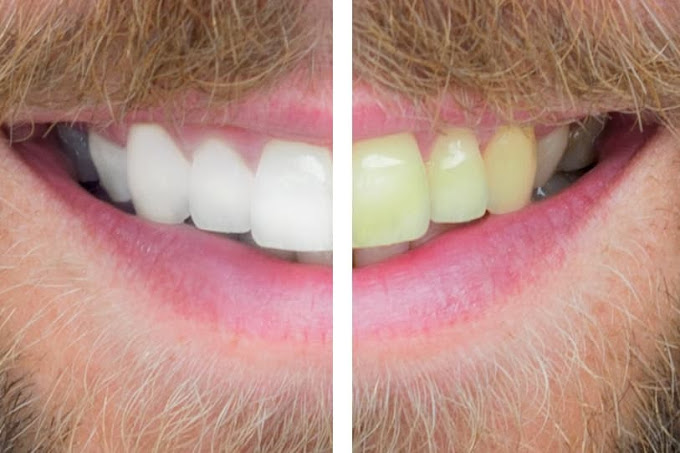
One cautionary note: whitening is chemistry. It can’t change the color of crowns or veneers, and it can’t fix deep banding from tetracycline staining without an extended regimen. For those darker intrinsic stains, I’ve had success with slow, steady tray whitening over eight to twelve weeks, often pairing it with periodic desensitizing gel. The patience pays off.
Shaping the edges: contouring and bonding
Sometimes the most satisfying changes come from tiny adjustments. If a patient tells me they hate how a single incisor looks longer on one side, I examine the incisal edges. Tooth contouring — removing fractions of a millimeter — can smooth a chip or visually straighten a jagged smile line. It’s conservative, quick, and painless. I’m careful with this, because enamel doesn’t grow back. When done judiciously, it blends in like a good haircut.
Direct composite bonding fills chips, closes small gaps, or masks localized discoloration. I build it in layers, choosing shades and translucencies the way a painter mixes oils. The trick is not just color matching but optical properties: enamel is slightly glassy; dentin is more opaque. For a tiny class IV chip on a front facebook.com Farnham Dentistry 11528 San Jose Blvd, Jacksonville, FL 32223 tooth, a well-shaped bevel and a couple of micro tints can make the repair invisible.
Bonding’s strength is its conservatism and cost. Its weakness is its lifespan. Expect five to eight years before a touch-up or replacement. It can stain around the edges if you’re a heavy coffee or red wine drinker, but a polish often revives it. I recommend a soft start: if you’re considering veneers but feel uncertain, try bonding on one or two teeth first. Live with the shape change for a season, then decide.
Aligning the smile: clear aligners, braces, and what they solve
If teeth are crowded, tilted inward, or flaring outward, reshaping surfaces will always feel like working around a structural problem. Alignment sets spacing and bite forces, which protect your future restorations. I’ve talked more people out of quick veneers than any other treatment when I see severe crowding or deep bites that will simply pop those veneers off.
Clear aligners shine for mild to moderate crowding and spacing. They’re discreet, removable for meals, and allow steady progress. Two realities to accept: attachments (tiny tooth-colored bumps) are common and crucial for complex movements, and your trays only work if they’re in your mouth. Twenty-two hours a day is the honest goal. If your job requires frequent speaking, it still works — you’ll adjust in a week or two, and the lisp fades.
Braces remain the heavy lifters for complex malocclusions, rotations, and bite corrections. For adult patients who don’t want visible brackets, ceramic brackets blend fairly well from conversational distance. Treatment times vary: six months for minor tweaks, 12 to 18 months for most adults, longer if jaw relationships need significant changes. My sequence for comprehensive smile makeovers often goes: orthodontics first, whitening during or after, then selective bonding or veneers to fine-tune.
One underappreciated benefit of alignment is periodontal health. Straight teeth are easier to clean, plaque has fewer stagnation spots, and gum inflammation often calms with no other changes. That’s cosmetic dentistry hiding inside dental care, doing its work quietly.
Gum framing: the millimeter that makes or breaks it
If teeth are the actors, gums are the stage lighting. A gummy smile can make even perfect veneers look off. Conversely, uneven gum heights can make two identical teeth appear mismatched. I measure “zeniths” — the highest points of the gum line — and their symmetry around the central incisors and canines. If the gums are uneven because of inflammation or overbrushing recession, the fix is different than if the bone level dictates the gum.
For extra gum display, a simple laser gingivectomy can reshape tissue around one or several teeth to even the curtain line. If the bone is close to the margin, a crown lengthening procedure adjusts both gum and bone to give the tooth more visible structure. The healing timeline matters: soft tissue settles in a couple of weeks, but final contours can take six to eight. When planning veneers or bonding, I like to complete gum work first and allow tissue to stabilize.
If recession is the issue — long teeth and exposed roots — grafting can add coverage. Pinhole techniques or connective tissue grafts from the palate both work in specific scenarios. Apart from aesthetics, covering roots can quell sensitivity and reduce future wear. Don’t underestimate the confidence boost when someone smiles and sees a balanced scallop of pink framing the white.
Veneers and crowns: when and why to step up
Porcelain veneers are the headliners of cosmetic dentistry for a reason. They can change color, shape, width, and length with a single set of restorations, typically six to ten teeth in the visible zone. When I plan veneers, I start with a wax-up — a 3D preview built on a model of your teeth — and then a “trial smile” of temporary material that you wear for a week. That’s the moment patients know if the shape and length work in real life. They talk, laugh, drink from a glass, and see themselves in their bathroom lighting, not just under operatory lights.
Here’s the part that gets glossed over: the amount of tooth reduction varies. If you have straight teeth with minor discoloration, minimal-prep veneers can preserve most enamel. If your teeth flare outward, we may need to reduce more to bring the final contour into a harmonious plane. Enamel bonding is stronger and longer-lasting than bonding to dentin, so I fight to keep you in enamel whenever possible. Good veneers last 12 to 20 years, sometimes longer with conscientious care.
Crowns cover the entire tooth and are the right call when existing large fillings, fractures, or root canal treatments weaken the structure. A front tooth with old, stained bonding and a hairline crack often does better with a crown than a veneer, because it needs a stronger ferrule — a band of material that protects the tooth from splitting forces. The trade-off is more tooth reduction, which commits you to a lifetime of replacement every couple of decades. If I can avoid a crown on a young patient by using a veneer or onlay, I will.
Material choice influences aesthetics and strength. Modern lithium disilicate (famously known under a brand name) gives beautiful translucency and solid strength for many anterior cases. Zirconia-based restorations, especially newer translucent formulations, shine for back teeth or for patients with heavy bite forces. If you grind at night, a night guard is non-negotiable after any major ceramic work.
The overlooked workhorses: onlays, inlays, and edge buildups
Between conservative bonding and full crowns sits a middle path. If you’ve got worn edges from clenching, or cusps fractured on molars, partial coverage restorations can rebuild the structure without wrapping the entire tooth. For someone in their thirties with flattened incisors, I sometimes stage a “bite lift” with additive composite to test a new vertical dimension. If they sleep better, jaw muscles relax, and the edges stop chipping, we can translate that to ceramic later, knowing the bite is stable.
In the back, replacing old silver fillings with bonded onlays can strengthen teeth and subtly brighten the posterior smile when you laugh. It’s not as flashy as front veneers, but the overall effect is a healthier light in the mouth, like changing outdated yellow bulbs to neutral daylight.
Sequencing a makeover: patience saves money and teeth
When the goal is a full smile makeover, sequencing does most of the heavy lifting. Rush the order, and you’ll redo work, compromise enamel, or get a look that doesn’t age well.
A smart sequence often looks like this:
-
Foundation and cleaning: address gum disease, cavities, and cracked teeth. If you need a root canal, do it now, not after veneers. This protects your investment and ensures you’re not sealing infection under beautiful ceramics.
-
Shade setting: whiten natural teeth to your target range. Replace visible composite fillings afterward to match the new color. For crowns or veneers, select final shades based on your post-whitening baseline.
-
Alignment and gum framing: use clear aligners or braces to open space and level edges if needed. Adjust gum lines with laser or surgery for symmetry. This creates a canvas so your final restorations can be conservative and consistent.
-
Definitive restorations and fine-tuning: place veneers, crowns, onlays, or bonding. Confirm phonetics — can you say “f,” “v,” and “s” comfortably? Check how your lips drape at rest. Polish transitions so your tongue can’t feel ledges.
-
Protection and maintenance: fabricate a night guard if you clench. Schedule professional cleanings three to four times a year for the first year, then at least twice annually. Cosmetic work thrives on good dental care habits.
I’ve adjusted countless plans midstream to respect a wedding date, a job interview, or a budget reset. If the clock is ticking toward a big event, focus on whitening, selective bonding, and gum reshaping. Save comprehensive orthodontics and ceramics for afterward, when you can breathe.
Money, longevity, and honest expectations
Costs vary by city and provider, but the pattern holds. Whitening and contouring are the least expensive, bonding sits in the middle, aligners and braces span a wide range, and ceramics occupy the top tier. Insurance rarely contributes to cosmetic procedures unless they overlap with functional needs. I encourage patients to think in horizons: what can we do in the next two months that moves your smile forward wisely, and what belongs in the six- to twelve-month plan?
Longevity depends on two behaviors more than anything: how you use your teeth and how you clean them. Don’t open packages with your incisors. Cut hard bread instead of tearing it. Use a soft brush and a non-abrasive toothpaste, especially with composite or ceramic. If coffee is part of your personality, rinse with water afterward and commit to a gentle polish visit every three to four months, at least for the first year after whitening.
Expect small touch-ups. A veneer edge might need a polish after six months as your bite settles. A bonded corner might catch a fingernail and need smoothing. That’s normal. A smile isn’t a statue; it’s a living feature in a dynamic environment.
Special situations: stains, chips, grinding, and missing teeth
Some cases need a different lens. Tetracycline staining runs deep, often banded in stripes from childhood antibiotic use. Long, slow whitening may soften the darkness, but many adults choose veneers to mask it. In that plan, I avoid over-thinning enamel to chase color internally. Instead, I use opacious porcelains and careful layering to block and blend.
Edge chips on the lower front teeth usually signal a bite problem. If your upper incisors have thin edges and craze lines, clenching or sleep bruxism is likely. Before any cosmetic work, a bite analysis and sometimes a short trial with a bite splint reveals the pattern. I’ve seen people erase a decade of edge wear simply by calming a hyperactive masseter muscle with a properly designed guard and adjusted bite forces. Then we restore, knowing the enemy has been named.
For missing teeth, implants give the most natural feel and preserve bone over time. A single implant in a lateral incisor position can be invisible with the right abutment and tissue sculpting. If you’re not a candidate for implants or want a faster solution, a bonded bridge can work without shaving down neighboring teeth. The key is designing the pontic — the false tooth — to look as if it emerges from the gum, not perches above it.
The smile test that never fails
I ask patients to try a simple test with their temporaries or trial setups: count out loud from fifty to sixty while looking in the mirror. The “f” and “v” sounds test the length of your upper front teeth; “s” checks for whistling or lisping. Then smile hard Farnham Dentistry Jacksonville dentist and soft. A hard smile is what you show for photos; a soft smile is what the world sees most. If something bothers you in the soft smile, fix it now. Those are the little asymmetries that nag you later.
Photos help, but video is better. A 10-second clip of you laughing tells me more than a posed close-up. You’ll see how edges catch the light, how the upper lip lifts, and whether the gum line looks balanced in motion. That’s the daily reality, and it’s where great cosmetic work disappears into you.
Maintenance that feels easy, not fussy
Great results don’t need delicate handling; they need mindful routines. Electric brushes with pressure sensors protect gums and ceramics. Floss or water flossers keep margins clean, especially if you have layered bonding or multiple veneers. If you wear lipstick, test shades against your new tooth color; blue-based reds often make teeth look even brighter, while warm corals can make them appear yellower.
Diet habits add up. Sipping dark beverages over hours stains more than finishing a cup in 15 minutes. Sparkling water is gentler than soda, but frequent exposure can still lower pH and soften enamel. Pair acidic drinks with meals, not as all-day companions. A xylitol mint after coffee won’t whiten, but it can stimulate saliva and neutralize acids.
One maintenance secret from the trenches: schedule a quick polish the week before important events. Even the cleanest mouths collect microscopic film that dulls luster. Ten minutes with a gentle polishing paste, and your smile snaps back to a just-finished glow.
A few realistic pathways
Every roadmap bends to personal needs, but a few patterns recur.
-
The quick refresh: professional cleaning, take-home whitening trays for two weeks, micro-contouring of edges, and a polish. Timeline: about three weeks. Cost: modest. Ideal for someone happy with shape and alignment but craving brightness and crispness.
-
The alignment-first makeover: clear aligners for six to nine months, whitening at month three, laser gum reshaping for symmetry, then selective bonding on two to four teeth. Timeline: eight to twelve months. Cost: medium. Yields a naturally harmonious smile with minimal drilling.
-
The comprehensive ceramic upgrade: short ortho or minor reshaping to open space, whitening, then eight to ten upper veneers with one or two crowns as needed, plus a night guard. Timeline: three to five months once alignment is set. Cost: high. Best for someone wanting durable, photo-ready results with predictable shade and shape.
How to choose your team
Credentials matter, but results and communication matter more. I tell people to look for a dentist who can show a range of cases that resemble your starting point, not just glamorous after shots. Ask to see temporaries too; they reveal planning and how a clinician thinks. A good cosmetic dentist won’t rush your consent. They’ll discuss trade-offs, maintenance, and what happens in five or ten years.
Pay attention to how they handle specifics. Do they measure your smile line in millimeters when you say “eee” or guess based on a single photo? Do they talk about bite and gum health, or only about shade tabs? Do they plan with models or digital scans that you can review together? Those details signal whether your case will be bespoke or cookie-cutter.
The emotional side: confidence grows in layers
A smile makeover can feel like permission. I’ve watched a CFO stop hiding in group photos after repairing a dark canine with a single veneer. I’ve seen a teacher who whispered through lessons rediscover her voice after aligners straightened a crowded lower arch. These are not vanity stories; they’re about showing up without distraction. The best cosmetic dentistry doesn’t change who you are. It quiets the static so your personality carries the room.
If you’re on the fence, start small. Clean thoroughly. Whiten and live with the new shade for a month. Contour a sharp corner. See how you feel. If that lifts your shoulders when you look in the mirror, you’re on the right track. If you still notice spacing or rotation that bugs you daily, step into aligners. If shape and color remain the barrier after all that, then veneers or crowns can be the finishing chapter, not the opening act.
Bringing it all together
A luminous smile isn’t an accident. It’s the product of smart sequencing, respect for biology, and a clear sense of your goals. Whitening sets tone. Contouring and bonding sketch the outline. Alignment and gum framing balance the composition. Veneers, crowns, and onlays supply durable structure and finish. Protective habits and conscientious dental care keep the whole picture bright.
Most of all, give yourself space to make decisions with calm confidence. Cosmetic dentistry works best when it bends to your life, not the other way around. Whether you’re polishing what you already love or building the smile you’ve imagined for years, there’s a path that fits. The roadmap is yours to trace, one thoughtful turn at a time.
Farnham Dentistry | 11528 San Jose Blvd, Jacksonville, FL 32223 | (904) 262-2551
