Charleston: A Two-Night Plan for Real Riders
I’ve spent nine years on the road, and if there’s one thing I’ve learned, it’s that most travel guides are written by people who don’t actually own a motorcycle. They talk about "charming cobblestones" without mentioning how they feel under a loaded front end, or they suggest "hidden gems" that are actually just overcrowded tourist traps with nowhere to park a bike.
Charleston, South Carolina, is a fantastic stopover, but it requires a bit of strategy. It’s dense, it’s humid, and it’s popular. If you roll in expecting a seamless, high-speed experience, you’re going to be disappointed. If you arrive with a plan to park, slow down, and walk, you’ll find it’s one of the best coastal cities in the U.S. to recharge.
Before you commit to a destination, I always tell people to check the HUBB discussion forums. You’ll find real-world feedback from riders who have actually passed through these corridors. If you aren’t already subscribed, the HU (Horizons Unlimited) newsletter is also a solid way to keep track of how road conditions change seasonally. Use these tools—don’t just trust a random blogger with a fancy camera.
The Golden Rule: Park and Walk First
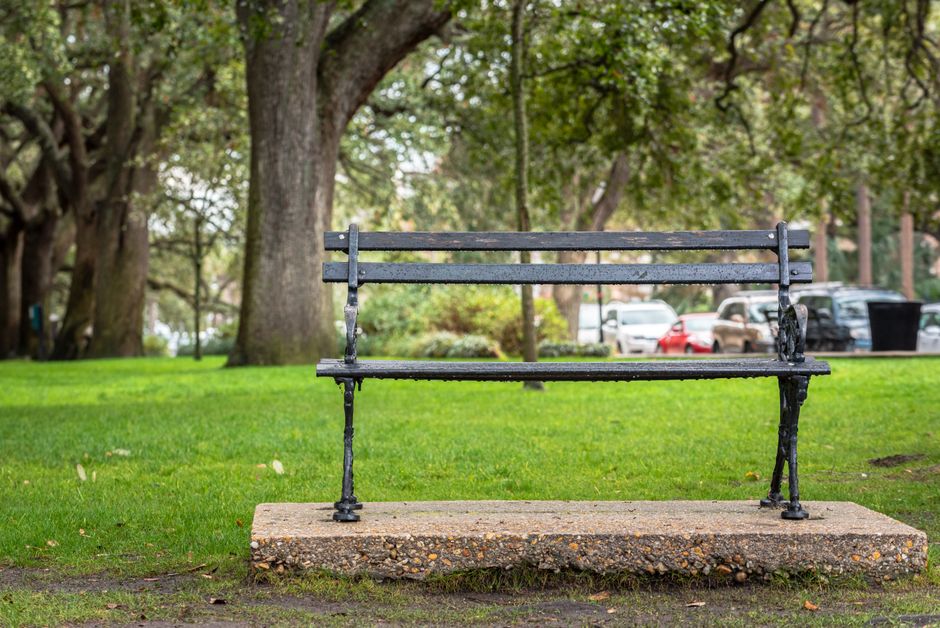
Before you check into your hotel or find a camping spot, stop. Find a secure parking garage or a gated lot. If you’re loaded up, don’t try to navigate the narrow, one-way streets of downtown Charleston while you’re hunting for a "quick" place to grab a coffee. You’ll just end up stressed and blocking traffic.
Once you’ve got the bike secured and your helmet locked away, walk. Charleston is a pedestrian city by design, not by accident. You’ll see more in thirty minutes on foot than you will in three hours on the bike, and you’ll avoid the frustration of the city's notorious traffic flow. Plus, walking in your riding boots is the fastest way to humble yourself—if you can’t walk comfortably in your gear for a few miles, you’re probably wearing the wrong gear.
The Itinerary: Two Days, Two Gears
This plan assumes you’re rolling in on a Thursday evening and leaving Sunday. It gives you one full day for the bike (the detour) and one full day for the boots (the city center).
Day Focus Activity Arrival Staging Secure parking, grab dinner in riding gear. Day 1 The Ride Angel Oak detour, coastal backroads. Day 2 The Walk Battery waterfront walk, harbor cruise.
Day 1: The Angel Oak Detour
You’ve been on the interstate too long. Your back hurts, your chain is probably dry, and you’re tired of the smell of exhaust. Today is about getting out of the urban center and hitting some of the Lowcountry’s slower, moss-draped roads.
Head toward Johns Island to see the Angel Oak tree. Now, look—people love to call this a "hidden gem." It isn’t. It’s world-famous. If you go on a Saturday afternoon, you’ll be elbow-to-elbow https://highstylife.com/charleston-for-the-road-weary-the-no-fuss-guide-to-a-solid-lunch/ with tour buses. Go early. Like, 9:00 AM early. The humidity hasn’t peaked, the light is better, and you can actually stand under the canopy without fighting for space.
Rider Note: The roads leading out to Johns Island are generally flat, but watch for sand in the corners near the marshland. If there’s been a high tide or a storm, those coastal roads get slick quickly.
Day 2: The Battery and the Harbor
Leave the bike parked. Seriously, keep the cover on it. Today is for the Battery waterfront walk. This is one of the few places in a major city where you can walk in dusty, salt-crusted riding gear and fit right in. Because it’s an outdoor, breezy area, you don’t feel like the weirdo in the room when you sit down for a sandwich.
After you’ve walked the seawall and looked at the mansions, head toward the docks. Taking a harbor cruise is one of the best ways to get a proper sense of the city’s scale. Seeing the Charleston skyline from the water gives you a perspective that the land-locked, tight-knit streets of the historic district hide. It’s quiet, it’s cooling, and it’s a necessary break from the internal combustion engine.
Logistics for the Tired Rider
I don’t care if it’s a "brand name" place. When you’re off the bike, you want food, you want a drink, and you want to sit down without being judged for looking like you just dragged your bike out of a ditch. Charleston has plenty of these spots, but you have to look past the ones with the velvet ropes.
- Keep it low-key: Stick to the places with outdoor seating. It’s better for your gear, easier for conversation, and nobody cares if you’re sweating a bit.
- Early mornings: The city feels entirely different at 7:00 AM. The delivery trucks are the only things moving, and the air is still. It’s the best time to photograph the architecture.
- Gear storage: If your hotel won’t let you keep your bike in the lobby (they won’t), find a secure garage. Use a heavy chain. Charleston is safe, but don’t make it easy for someone to throw your bike in the back of a truck while you’re out on the water.
Final Thoughts on the Long Haul
Don't fall for the "fluffy" travel writing that skips the logistics. Charleston is a great spot, but it demands respect for its pace. If you try to power-tour it, you’ll hate it. If you build in the "park and walk" philosophy, you’ll appreciate why people come here from all over the world.
Keep your bike maintained, keep your eyes up, and when in doubt, find a place to sit, order a sweet tea, and watch the world go by. That’s what being a long-distance rider is actually about—knowing when to twist the throttle and, just as importantly, knowing when to put the kickstand down for good.
Safe travels, Charleston motorcycle adventure guide and keep it between the lines.