Can Body Contouring Tighten Loose Skin?
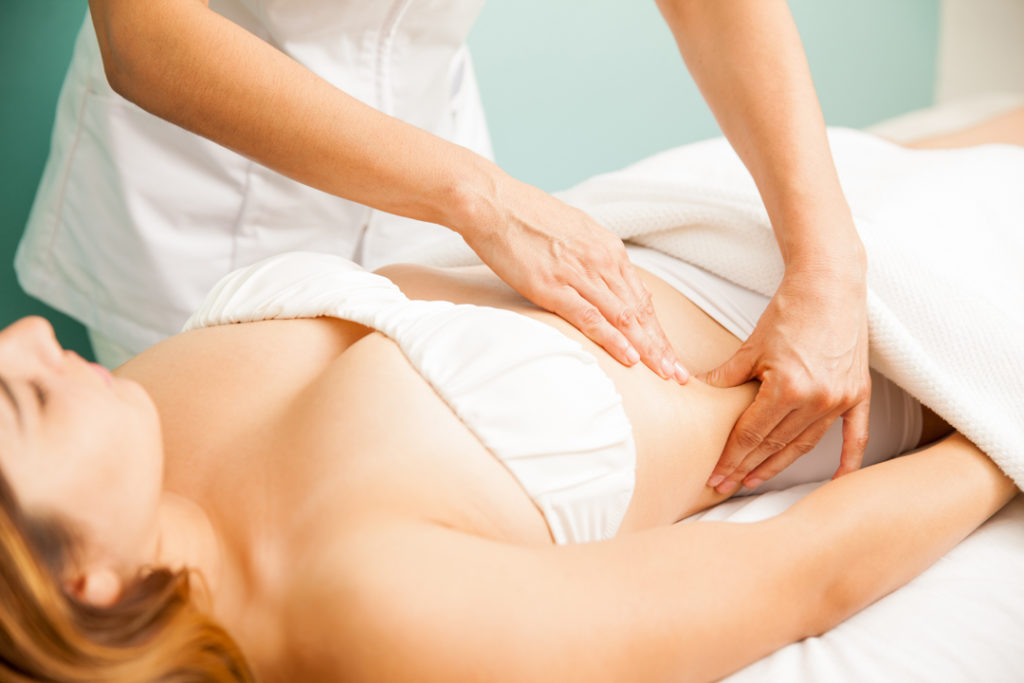
Loose skin sits in an awkward middle ground. It is not always severe enough to justify surgery, but it can be noticeable enough to bother someone every time they get dressed, exercise, or look in the mirror. This is especially common after significant weight loss, pregnancy, or simply with age, when collagen production slows and skin does not rebound the way it used to.
The short answer is yes, body contouring can tighten loose skin, but only to a point, and only with the right method for the right kind of laxity. That distinction matters more than most marketing suggests. Some body contouring treatments can improve mild to moderate skin looseness by stimulating collagen, shrinking tissue, or removing fat in a way that prompts a modest tightening response. None of that is the same as cutting away extra skin. If the looseness is substantial, non-surgical body contouring often improves the area without fully correcting it.
That gap between expectation and reality is where most disappointment starts. People hear “tightening” and picture a dramatic transformation. In practice, results depend on skin quality, age, genetics, how much weight was lost, where the looseness is located, and whether the problem is truly skin, remaining fat, or a combination of both. A lower abdomen after two pregnancies behaves differently from inner thighs after a 90 pound weight loss. Upper arms in a person in their early forties respond differently from crepey skin on the knees in their sixties.
What body contouring actually means
Body contouring is a broad term, and that is part of the confusion. In some settings it refers to non-surgical treatments such as radiofrequency, ultrasound, laser-based procedures, or injectable fat reduction. In other settings it includes surgical procedures like liposuction, tummy tucks, arm lifts, and lower body lifts. Those are not interchangeable.
If the question is whether body contouring can tighten loose skin without surgery, the answer is often “somewhat.” Devices that heat the deeper layers of tissue can trigger collagen remodeling and a subtle firming effect over time. That can work well for early laxity, especially when the skin still has some elasticity left. It does not create the kind of tightening that a surgical excision creates.
If the question includes surgery, then yes, body contouring can absolutely tighten loose skin, because surgical contouring removes it directly. A tummy tuck is not trying to persuade skin to shrink. It is physically taking away excess tissue and re-draping what remains. The same is true for an arm lift, thigh lift, or lower body lift.
That difference is worth stating plainly because many people seek a non-surgical result for a surgical problem.
The main reason loose skin happens
Skin is elastic, but not infinitely so. It stretches to accommodate weight gain, pregnancy, and normal body changes. Over time, the protein framework that gives skin bounce and resilience, mainly collagen and elastin, weakens. When the stretching is large or prolonged, the skin may not spring back.
Weight loss is a common trigger. Someone who loses 20 pounds may have minimal looseness. Someone who loses 80 or 100 pounds often has a very different issue. Age matters too. A 28 michellehardawaymd.com Body Contouring year old with mild abdominal laxity may see visible tightening from a non-invasive treatment plan. A 58 year old with thin, sun-damaged skin and deeper laxity may not.
There is also a quality issue that patients rarely appreciate at first. Some skin is “loose” because it is truly excess skin. Some looks loose because there is still a soft layer of fat under it, pushing it into folds. Sometimes skin appears crepey because it is dehydrated, thinned, and structurally weak, not necessarily redundant. Each of those scenarios responds differently.
When non-surgical body contouring can help
Non-surgical body contouring works best in patients who are close to their goal weight, have good baseline skin quality, and need refinement rather than rescue. These are the people who look at one area and say, “I wish this were a little firmer,” not, “I have hanging skin that gets irritated and folds over itself.”
Radiofrequency devices are commonly used for this purpose. They deliver controlled heat to the dermis and subcutaneous tissue, which can stimulate collagen remodeling and mild tissue contraction. Ultrasound-based systems can target deeper layers. Some laser-assisted approaches heat the skin in a more focused way. The principle is similar across many platforms: create a measured thermal response so the body rebuilds and tightens over the following weeks or months.
That last part matters. Tightening is not immediate in most cases. There may be a temporary post-treatment firmness from swelling, but the real improvement, if it comes, tends to emerge gradually. In practice, people often need a series of treatments and a few months of patience. The endpoint is usually improvement, not perfection.
The most responsive areas tend to be the abdomen, flanks, upper arms, bra line, and under the chin, though results vary by device and anatomy. Inner thighs can be challenging because the skin is thin and often more lax than patients realize. Knees can improve a little, but dramatic tightening there is uncommon without surgery.
Where expectations often go wrong
The biggest misconception is that fat reduction and skin tightening are the same thing. They are not. In fact, reducing fat in an area with loose skin can sometimes make the looseness more visible. If fullness was “propping up” the skin, removing volume may reveal the extent of laxity underneath.
I have seen this pattern repeatedly in real clinical discussions. A patient comes in wanting a non-invasive sculpting treatment for the lower abdomen or upper arms. On first glance, they seem to Body Contouring be asking for less bulk. On closer examination, the dominant issue is actually skin. If that person undergoes fat reduction alone, they may become smaller but not smoother. Sometimes they look better in fitted clothing but feel more self-conscious without it.
This is why a careful exam matters more than a menu of devices. A good provider does not start with the treatment. They start by identifying the tissue problem.
A practical way to think about skin laxity
These rough categories help explain what body contouring can realistically do:
- Mild laxity, where skin looks a little soft or crepey but still retracts fairly well, often responds best to non-surgical tightening.
- Mild to moderate laxity with some extra fat may improve with combined contouring and tightening, but the result is usually partial.
- Moderate to severe laxity, especially hanging or folded skin, generally needs surgery for a meaningful correction.
- Laxity after major weight loss often includes deeper tissue changes that non-surgical treatments cannot fully address.
- Areas with thin, sun-damaged, or stretch-marked skin may tighten less because the underlying collagen network is already compromised.
These are not rigid categories, but they are a useful reality check. They also explain why two people can have the same treatment and feel very differently about the outcome.
The role of collagen, and why age changes the answer
When body contouring is marketed as a tightening treatment, the hidden mechanism is often collagen stimulation. Collagen is the structural protein that helps skin stay firm. Most non-surgical tightening treatments work by heating tissue enough to trigger a repair response, which can lead to new collagen formation and some contraction of existing fibers.
Younger skin generally has more repair capacity. It is not just a matter of age in years, but of tissue behavior. Someone in their thirties with healthy skin, stable weight, and limited sun damage is often a better candidate for non-surgical tightening than someone older with extensive laxity. That does not mean older patients cannot benefit. Many do. It means the ceiling for improvement may be lower.
This is also why providers sometimes recommend maintenance treatments. The body continues to age, and collagen remodeling is not permanent in the face of ongoing collagen loss. If a patient gets a nice improvement from a series of treatments, they may need periodic upkeep to preserve the result.
Surgical body contouring and true skin removal
For significant loose skin, surgery remains the most effective option. It is also the option people tend to avoid until they fully understand the limits of non-surgical care.
A tummy tuck can flatten the abdomen, remove excess lower abdominal skin, and often repair separated abdominal muscles. An arm lift removes hanging skin from the upper arms. A thigh lift can improve loose inner thighs, though recovery and scar placement deserve careful discussion. After major weight loss, some patients need a circumferential lower body lift to address the abdomen, flanks, buttocks, and outer thighs in one plan.
These procedures produce the most dramatic changes because they solve the actual problem, which is excess tissue. But there are trade-offs. Surgery involves scars, downtime, cost, and a real recovery period. Swelling can last for weeks or months. Activity restrictions are stricter. The decision is not simply medical, it is personal. Some patients accept a lesser non-surgical result to avoid scars. Others decide that scars are a fair exchange for a more complete correction.
That is not a right-or-wrong choice. It is a priorities question.
Can liposuction tighten skin?
This comes up often, and the honest answer is “sometimes, a little, but do not count on it.” Traditional liposuction removes fat. Skin retraction after liposuction depends on the skin’s natural elasticity. In a younger patient with dense, resilient skin and localized fullness, the skin may contract nicely. In someone with pre-existing looseness, the same procedure can expose more laxity.
There are energy-assisted forms of liposuction that claim some degree of internal tightening by adding heat, such as radiofrequency-assisted or laser-assisted approaches. These can improve contraction compared with fat removal alone in selected patients. Still, they are not substitutes for a lift when true excess skin is present.
A common mistake is treating loose lower abdominal skin with liposuction because there is also some fat there. The patient may end up flatter, but still with folds, wrinkling, or a lower pouch that bothers them. A careful surgeon will point this out before treatment, not after.
Body contouring after weight loss
This is one of the most emotionally charged versions of the question. People work incredibly hard to lose weight, then find themselves dealing with skin that feels like a reminder of the body they were trying to leave behind. They may have improved health, better mobility, and a completely different relationship to food, yet still feel trapped by their reflection.
After major weight loss, skin tightening becomes more difficult because the issue is rarely just the skin surface. The underlying support structures have changed, and the amount of excess tissue can be substantial. Non-surgical body contouring may improve small areas or help with finishing touches, but it usually does not deliver the transformation people hope for in this setting.
This is where surgical body contouring often makes the most sense. Patients are frequently surprised by how much relief they feel once the extra tissue is gone, not only aesthetically but physically. Chafing improves. Clothes fit better. Exercise can become more comfortable. Hygiene is easier. Those quality-of-life gains matter every bit as much as the shape change.
Pregnancy, postpartum skin, and the abdominal wall
The postpartum abdomen deserves its own discussion because “loose skin” is often only part of the picture. Pregnancy can stretch skin, yes, but it can also separate the abdominal muscles, change the position of the navel, and leave behind a mix of residual fat and lax connective tissue. A person may describe this as “I still look pregnant” or “my lower belly won’t go away.”
If the issue is mild skin looseness with good muscle tone, non-surgical tightening may help. If there is significant muscle separation, extra skin, or a shelf-like lower abdominal fold, body contouring devices will not fully correct the anatomy. A tummy tuck addresses both skin and muscle, which is why it remains the gold standard in more advanced cases.
Timing matters too. Skin continues to recover for months after pregnancy, and weight often shifts during the first postpartum year. Rushing into treatment too early can lead to overtreatment or disappointment. Stable weight and finished childbearing are important considerations, especially for surgery.
Areas that tend to respond best, and worst
Some body areas are simply more forgiving than others. The abdomen and flanks often respond reasonably well to modest tightening when the looseness is mild. The upper arms can improve, though patients need to know that subtle tightening is not the same as eliminating arm “wobble.” The submental area under the chin tends to show improvement nicely because the skin is relatively thin and the treatment field is small.
By contrast, inner thighs, knees, and the lower buttock crease are more demanding. The skin can be thinner, gravity works against the result, and laxity is often underestimated. A treatment may produce measurable tightening but still not look dramatic in everyday life.
This is one of those situations where photographs help. A one centimeter improvement on a neck may look excellent. The same degree of tightening on an inner thigh may barely register.
What a good consultation should cover
A responsible body contouring consultation is not a sales pitch. It should sort the problem into fat, skin, muscle, or a mix, and it should define what “success” would actually look like for you.
Questions worth asking include:
- Is my main issue loose skin, extra fat, muscle laxity, or some combination?
- If I choose a non-surgical treatment, how much tightening is realistic in my case?
- Would fat reduction make my skin look looser?
- How many treatments would likely be needed, and when would I see the final result?
- If surgery would give a clearly better result, why?
Those questions cut through vague promises quickly. They also reveal whether the provider is evaluating you honestly or simply matching you to whatever device they happen to own.
What results usually feel like in real life
When non-surgical body contouring works well, patients often describe the change in practical terms rather than dramatic ones. Their waistline looks smoother in a fitted dress. The skin over the bra line bunches less. Their lower abdomen feels firmer when they bend. The backs of their arms look a bit tighter in photos. These are meaningful changes, but they are refinements.
Surgical results feel different. Patients often talk about an area being “gone” rather than “better.” That language reflects the difference between improvement and correction.
Neither path is inherently superior. The better choice depends on your anatomy, your tolerance for downtime and scars, and how much change you want. Trouble starts when someone wanting correction chooses a treatment designed for refinement.
Lifestyle still influences the outcome
Even the best body contouring plan can be undermined by unstable weight. Repeated gain and loss stretches skin again. Smoking impairs healing and collagen formation. Poor protein intake can affect tissue repair after more aggressive procedures. Sun damage also matters, especially in areas that are regularly exposed.
Hydration and skincare will not tighten loose skin in any major way, but they can improve surface quality. That distinction is important. Better texture can make skin look healthier and somewhat smoother, even if the underlying laxity remains. It is not a substitute for treatment, but it can support the overall appearance.
Strength training helps too, though not by tightening skin directly. Building muscle under an area can improve contour and reduce the look of emptiness, particularly in the arms, glutes, and thighs. It is one of the most underrated adjuncts to body contouring because it improves the frame that the skin drapes over.
So, can body contouring tighten loose skin?
Yes, but the honest answer depends on how loose the skin is and what kind of body contouring you mean.
Non-surgical body contouring can tighten mild to moderate laxity, especially in people with decent skin quality, stable weight, and realistic expectations. It works best as a firming and refining tool. Surgical body contouring tightens loose skin far more effectively because it removes the excess directly. It is the better answer for moderate to severe laxity, especially after pregnancy or major weight loss.
The real key is matching the treatment to the tissue. If you have a small amount of looseness and want improvement without downtime, non-surgical options may be worthwhile. If you have hanging, folded, or clearly redundant skin, no device can duplicate what surgery does. Understanding that difference before you start is the best way to avoid spending time and money on a result that was never likely to meet your goal.
Aesthetic Plastic Surgery & Laser Center, Michelle Hardaway M.D.
Address: 27920 Orchard Lake Rd, Farmington Hills, MI 48334
Phone number: +12482211957
FAQ About Body Contouring in Michigan
What does body contouring actually do?
Body contouring (or body sculpting) eliminates stubborn localized fat, tightens loose, sagging skin, and reshapes your silhouette. It is not a weight-loss tool, but rather a cosmetic procedure used to refine and tone specific trouble spots after major weight loss, pregnancy, or aging.
How much does body contouring usually cost?
The total cost of body contouring usually ranges from $2,000 to $25,000+ depending entirely on whether you choose non-surgical sessions or major surgical procedures.
Because "body contouring" covers everything from simple fat-freezing to comprehensive post-weight-loss surgeries, pricing is heavily categorized by the method used.
What is the best type of body contouring?
Liposuction is a huge topic and worth discussing in more detail, but in terms of body contouring and sculpting, nothing does the job better than liposuction, particularly VASER liposuction.
