Veneers Oxnard CA for Small Cosmetic Fixes with Big Impact
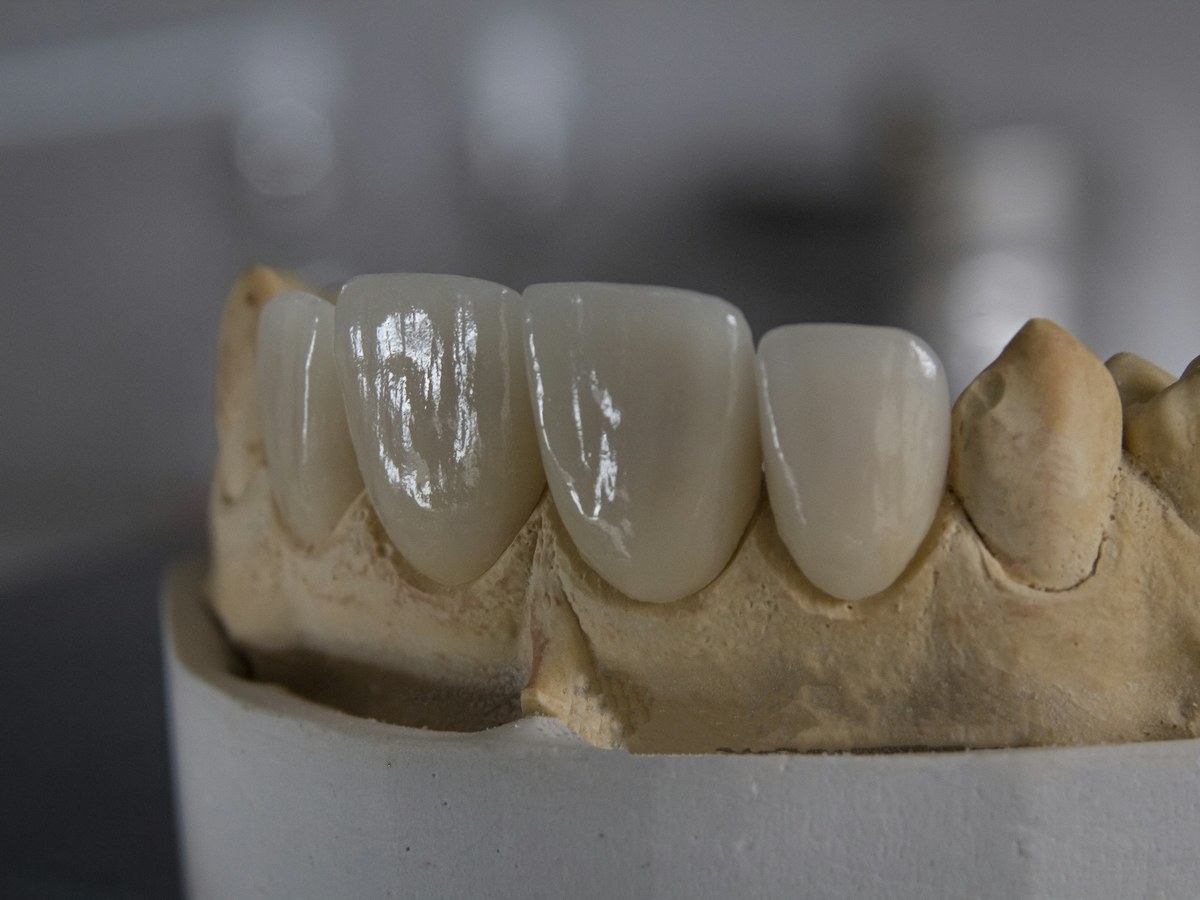
A great smile rarely depends on one dramatic change. More often, it comes from correcting a handful of small details that quietly pull attention away from otherwise healthy teeth. A chipped edge on a front tooth, a narrow gap that catches the eye in photos, a tooth that never responded well to whitening, a shape mismatch that makes one side look slightly off, these are the kinds of issues veneers are especially good at addressing.
That is why so many people looking into Veneers Oxnard CA are not trying to reinvent their entire appearance. They want refinement, not reinvention. They want to look rested, polished, and confident, without making it obvious that dental work was done. In practice, that tends to be the sweet spot for veneers when the treatment is planned thoughtfully and kept proportional to the face.
Cosmetic dentistry has a way of getting oversimplified online. Veneers are often described as if they are either a magic fix or an unnecessary luxury. The reality sits between those extremes. Veneers can produce striking improvements from relatively modest changes, but only when the right patient, the right material, and the right treatment goals line up.
Why small changes matter so much in the smile zone
Front teeth live under a harsh spotlight. They affect first impressions, the way the mouth photographs, and even whether a person smiles broadly or with hesitation. Tiny flaws look bigger in this area because the human eye is quick to spot asymmetry. A one millimeter chip on a back tooth might go unnoticed for years. The same chip on a central incisor can become the only thing a patient sees every time they look in the mirror.
In a dental office, this shows up in familiar ways. Someone comes in saying they want “a better smile,” but after a closer conversation, the actual concerns are quite specific. One lateral incisor is smaller than the other. A front tooth darkened slightly after old trauma. The teeth are healthy overall, but the incisal edges look worn and flat. These are not major reconstructive problems. They are aesthetic interruptions, and they can have an outsized effect on confidence.
Veneers work well here because they let the dentist alter color, shape, width, length, and surface character with precision. That is a broad toolkit for a conservative treatment. When used appropriately, veneers can solve several cosmetic issues at the same time instead of chasing them one by one with whitening, bonding, contouring, and repeated touch-ups.
What veneers really are, and what they are not
A veneer is a thin custom-made shell, usually porcelain or sometimes composite, bonded to the front surface of a tooth. Its purpose is cosmetic, though it can also help restore the appearance of teeth that have minor wear or surface damage. The idea is simple, but the execution is not. A good veneer should blend with neighboring teeth in translucency, brightness, contour, and texture, while still looking like a real tooth and not a flat piece of ceramic.
That last part matters more than patients often realize. Natural teeth are not a single block of white. They reflect light differently at the gumline than at the edge. They have subtle ridges, a degree of translucency near the tip, and shape variations that fit the person’s age, face, and lip movement. Veneers that ignore these details can look too opaque, too bulky, or too uniform.
Veneers also are not a cure-all. They cannot fix active gum disease, unstable bite issues, untreated decay, or significant orthodontic problems on their own. Sometimes they are part of a larger plan. Sometimes they are exactly the wrong place to start.
The cosmetic issues veneers handle especially well
The strongest veneer cases are often the ones patients would describe as “small problems that keep bothering me.” In clinical terms, that usually means teeth that are structurally sound but aesthetically compromised.
A short list of examples helps illustrate the point:
- Small chips and worn edges on front teeth
- Mild spacing, especially narrow gaps between visible teeth
- Uneven tooth size or shape, such as a peg lateral
- Stubborn discoloration that whitening cannot fully correct
- Minor misalignment when the bite itself is stable
Each of those may seem minor on paper. Together, they can significantly affect the harmony of a smile. Veneers are attractive in these cases because they can address several of those concerns in one coordinated design.
A common real-world example is the patient with one slightly twisted front tooth, one chipped corner, and generalized staining from coffee and red wine over the years. Whitening might brighten the teeth, but it will not fix the asymmetry or the chip. Bonding Veneers Oxnard CA might repair the chip, but may not create a long-lasting color match. Orthodontics might improve alignment, but would not change the worn edges or discoloration. Veneers, in the right case, can resolve all three concerns with a unified result.
Why patients in Oxnard often ask for natural-looking veneers
In coastal communities like Oxnard, cosmetic preferences often run more subtle than many people assume. Patients are not usually asking for an aggressively bright, perfectly uniform “TV smile.” More often, they want teeth that fit their face, skin tone, age, and personality. They want compliments that sound like, “You look great,” not, “Who did your veneers?”
That distinction changes the planning. The best Veneers Oxnard CA cases tend to involve restraint. Slight softening of edges, careful management of brightness, and proportion Veneers Oxnard CA that complements the lips and facial width usually matter more than making every tooth as white and symmetrical as possible. The result should look intentional, but not manufactured.
This is where experienced cosmetic judgment becomes valuable. A smile that looks excellent on a model’s before-and-after gallery may look too long, too square, or too bright on someone else. Veneers should be designed for the individual, not copied from a template.
Porcelain veneers versus bonding for small fixes
Patients often ask whether veneers are really necessary when bonding exists. That is a fair question, especially for smaller corrections. Composite bonding is less invasive, usually less expensive upfront, and can work very well for select chips, shape changes, and small gaps. There are cases where bonding is absolutely the better first choice.
The trade-off is durability, stain resistance, and finesse of optical properties. Porcelain generally holds color better over time, resists wear more effectively, and reflects light more like enamel when done well. Bonding can look excellent at first, but it is more prone to chipping, dulling, and picking up stains, especially in patients who drink coffee, tea, or red wine regularly.
That does not make bonding inferior across the board. It makes it different. If the goal is a very conservative tweak on a single tooth, bonding may be ideal. If the goal is to harmonize several front teeth and maintain that look for years with fewer touch-ups, porcelain veneers often have the advantage.
A practical way to think about it is this: bonding is often the nimble repair option, veneers the more refined long-term design option.
The part people do not see, smile design before the veneer is ever made
The actual ceramic shell gets most of the attention, but the planning phase is where the result is won or lost. Good veneer treatment starts with a close review of photos, bite relationship, existing tooth position, gum symmetry, facial proportions, and speech. Even a small increase in length can affect how the upper teeth show at rest and when talking. That is why cosmetic work on front teeth is as much about function and facial balance as appearance.
Mock-ups can be especially useful. They let patients preview shape and length before the final veneers are fabricated. This step can prevent disappointment because many people discover that what they thought they wanted on paper does not feel right in the mirror. A slightly rounder edge may feel more natural. A modest space closure may look better than complete closure if facial symmetry or tooth width would otherwise feel forced.
One of the most revealing moments in cosmetic dentistry is when a patient sees a trial version and says, “I didn’t realize that was the part bothering me.” Often, it is not the color at all. It is the flatness, the shortness, or the unevenness.
How much tooth reduction is really involved
This is one of the biggest concerns patients have, and rightly so. Veneers are not all the same in terms of preparation. Some require conservative reshaping of enamel so the veneer can sit naturally and not look bulky. Some no-prep or minimal-prep cases are possible, but not everyone is a candidate.
The key issue is fit. If teeth already project outward, placing material on top without making room can create an overbuilt appearance. Lips may catch differently. The smile can look thicker or less natural. On the other hand, if teeth are slightly worn, narrow, or set inward, very minimal preparation may be all that is needed.
The best approach is case-specific, and patients should be cautious about blanket promises. “No shaving” sounds appealing in marketing, but it is not automatically better if it compromises the final shape. Conservative treatment is important, but so is an outcome that looks believable.
Longevity, maintenance, and the everyday habits that matter
Veneers are durable, but they are not indestructible. Porcelain can last many years, often well over a decade in favorable cases, but longevity depends on planning, bite forces, home care, and habits. Someone who clenches hard at night places very different stress on veneers than someone with a relaxed bite. A patient who opens packages with their front teeth or chews ice is inviting trouble no matter how well the veneers were made.
Daily maintenance is not complicated. Brush, floss, keep routine dental visits, and use common sense with hard objects. If there is a history of grinding, a night guard is usually a wise investment. It is a small accessory that protects a much larger financial and cosmetic investment.
Color stability is another point worth understanding. Porcelain itself resists staining better than natural enamel and composite, but the surrounding teeth still change over time. That means if veneers are matched to the current tooth shade and a patient later wants much whiter natural teeth, the veneers will not bleach along with them. This is one reason dentists often discuss whitening before veneer treatment rather than after.
When veneers are not the best answer
Some of the most ethical cosmetic advice a patient can hear is, “You do not need veneers for that.” There are many situations where another option is more appropriate.
If the issue is mainly alignment, orthodontics may preserve more natural tooth structure and create a better foundation. If there is severe clenching or a highly unstable bite, those forces should be addressed first. If gum levels are uneven, soft tissue reshaping may have a bigger effect than changing the teeth themselves. If discoloration is mild and shape is already good, whitening may be enough.
Patients should also be careful when the proposed treatment seems too extensive for the complaint. A tiny chip on one front tooth does not automatically justify eight or ten veneers. Sometimes broader treatment is justified to achieve symmetry and color consistency, but the rationale should be clear, not assumed.
A useful rule of thumb is that the solution should match the size of the problem. Skilled cosmetic dentistry is often defined by what it chooses not to do.
Questions worth asking at a veneer consultation
Patients considering Veneers Oxnard CA usually benefit from a consultation that feels more like a design conversation than a sales presentation. The right questions can reveal a lot about how carefully the case will be handled.
Here are a few that matter:
- What problem are the veneers solving that simpler options would not?
- How many teeth truly need treatment for a balanced result?
- Will I be able to preview shape and length before final placement?
- How will my bite, grinding habits, or gum line affect the plan?
- What kind of maintenance or future replacement should I realistically expect?
These questions do two things. They help the patient make an informed decision, and they encourage a more individualized treatment plan. Cosmetic dentistry should never feel rushed, especially when front teeth are involved.
The difference between a cosmetic change and a confident smile
A veneer case is successful when the teeth look better, of course, but that is not the whole story. The deeper measure is whether the patient stops managing their smile. People who have long hidden a chipped tooth often develop habits around it. They smile with closed lips. They tilt their head in photos. They cover their mouth when laughing. When the cosmetic issue is fixed well, those habits often disappear before the patient even notices.
That is the “big impact” part of small cosmetic treatment. The dental change may be only a few millimeters of ceramic and some careful contouring. The behavioral change can be enormous.
This is especially true when the correction respects the patient’s natural features. Overdone dentistry can replace one kind of self-consciousness with another. Beautiful veneers should not feel like a mask. They should feel like the version of your smile that was always meant to be there.
Cost, value, and what patients are really paying for
Patients often compare veneer fees from one office to another and wonder why the range can be significant. Part of that comes down to materials and laboratory work, but much of the value is in diagnosis, design, preparation, and finishing. Front-tooth cosmetic dentistry is detail-sensitive. Tiny errors in length, contour, brightness, or bite contacts can make expensive work feel wrong.
There is also a difference between placing a veneer and planning a smile. The latter requires more time, more communication, and often more technical collaboration. When patients are evaluating cost, it helps to think beyond the appointment count and ask what level of customization and oversight is built into the process.
A less expensive veneer case that looks opaque, bulky, or mismatched is not a bargain. A carefully executed case that preserves natural character and functions well for years often represents better value even if the upfront fee is higher.
Choosing timing carefully
Veneers are best done when oral health is stable and life is not in the middle of a dental disruption. If a patient is about to start orthodontics, dealing with active periodontal treatment, or midway through major restorative care, it may make sense to wait. Cosmetic work tends to perform best when the foundation is settled.
Timing also matters socially and professionally. Since front teeth are involved, patients often prefer to schedule around major events, public-facing work periods, weddings, or frequent travel. Temporary restorations can look very good, but they are still temporary. A little calendar planning can make the process feel much smoother.
A measured path to noticeable improvement
The appeal of veneers has always been that they can do a lot without needing to do everything. For the right person, they offer a practical way to correct visible imperfections that are small in size but large in emotional impact. A chipped corner, a narrow gap, a stubborn dark tooth, a shape imbalance from side to side, these are exactly the kinds of concerns that can change the feel of a smile once they are handled with care.
Anyone exploring Veneers Oxnard CA should look for more than before-and-after photos. The real markers of quality are judgment, restraint, communication, and attention to fit. Veneers are at their best when they serve the face, the bite, and the person’s goals, not when they simply make teeth whiter and bigger.
Small cosmetic fixes can indeed create big impact. The best ones do it quietly, with enough precision that people notice the confidence first and the dentistry second.
Oxnard Dentistry
1730 E Gonzales Rd, Oxnard, CA 93036, United States
+1 805-307-8731
FAQ About Veneers Oxnard CA
How long do porcelain veneers last?
Porcelain veneers can last for many years, but they can chip, loosen, or wear over time. Their lifespan depends on factors such as your bite, whether you grind your teeth, and daily care. Regular dental visits let your dentist check their condition.
Are dental veneers permanent?
Traditional veneers often require removing a small amount of enamel, so that change to the tooth is generally irreversible. Veneers can still need repair or replacement. Ask your dentist how much preparation your teeth would require.
How much do veneers cost in Oxnard?
Cost depends on the material, how many teeth you want treated, and whether you need other dental work first. Ask for a written estimate that explains the price per tooth and what is included.
