Pain and suffering in personal injury compensation
Pain and suffering in personal injury compensation refers to the non-financial harm a person experiences after an accident caused by someone else's negligence. Unlike financial losses, which can be calculated from receipts and pay slips, pain and suffering covers physical pain, emotional distress, and loss of enjoyment of life. In Scotland, as in other parts of the UK, this category of damages is known as general damages, and it forms a central part of many personal injury claims. The amount awarded depends on the severity of the injury, its long-term effects, and how it changes the injured person's daily life.
General damages and special damages
Personal injury compensation is broadly divided into two categories. General damages compensate for pain, suffering, and loss of amenity - the medical term for losing the ability to enjoy normal activities. Special damages cover quantifiable financial losses such as lost earnings, treatment costs, and travel expenses. While special damages can be proven with bank statements or invoices, general damages rely on medical evidence and legal guidelines. The distinction matters because pain and suffering often makes up the larger part of a settlement, especially in cases where the physical injury is moderate but the emotional impact is significant.
Courts in Scotland use the Judicial College Guidelines, which set out ranges of awards for different types of injury. For example, a minor neck injury that heals within a few months might attract a lower award, while a serious spinal injury causing permanent disability commands a much higher sum. The guidelines are updated periodically to reflect inflation and changes in medical understanding. They help ensure consistency, but each case is judged on its own facts.
What determines the value of pain and suffering
The central factor in valuing pain and suffering is the medical prognosis. A doctor's report describes the nature of the injury, the expected recovery time, and any permanent effects. An injury that leaves long-term pain or limits mobility will attract higher damages than one that resolves fully. The age and general health of the injured person also matter: a younger person with many years of impaired life ahead may receive more than an older person with a similar injury. The same injury can produce very different awards depending on how it affects the individual's work, hobbies, and relationships.

Loss of amenity is a key part of general damages. Losing the ability to play a sport, care for children, or pursue a career counts as a real loss, even if no money was spent on those activities. The courts recognise that a full life includes intangible pleasures, and compensation aims to reflect that loss. In practice, the severity of the injury and its impact on daily life are weighed together to reach a figure.
Financial losses in personal injury claims
Financial losses, or special damages, cover the money the injured person has lost or will lose because of the accident. Lost earnings are the most common item. If the injury forces time off work, the claimant can recover the wages they would have earned, including overtime and bonuses that are part of their normal income. Self-employed people can claim for lost profit, backed by business accounts and tax returns. Treatment costs, such as physiotherapy or prescription charges, are also recoverable, as are travel expenses to and from medical appointments.
Future losses are more complex. If the injury causes a permanent reduction in earning capacity, the court calculates the total loss over the claimant's expected working life, using a multiplier that reflects early receipt of the money. The same principle applies to future care costs or equipment needs. Financial evidence is essential for these claims: payslips, tax records, and invoices all help prove the loss. Without clear documentation, the court may award a lower amount or reject the claim.
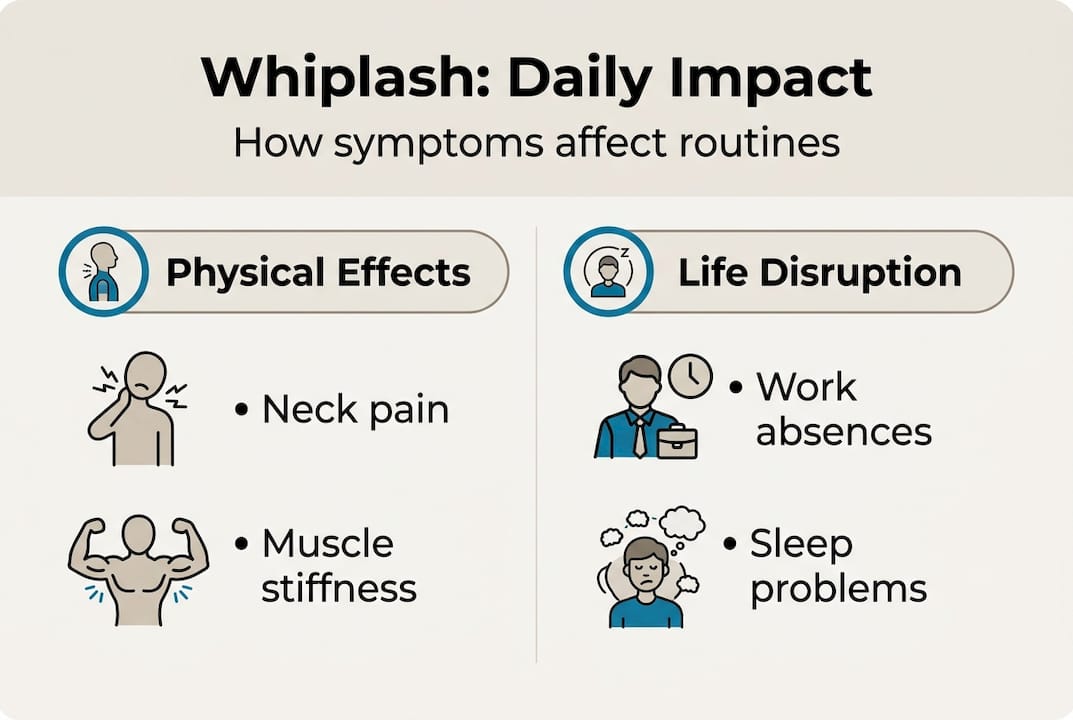
The interplay between general and special damages can be seen in whiplash cases. Whiplash is a soft-tissue injury to the neck, common in road traffic accidents. In Scotland, the law sets out fixed tariff amounts for whiplash injuries of certain durations, intended to simplify claims and reduce disputes. The tariff covers pain and suffering, and the claimant can also recover financial losses like lost earnings or travel costs. The total compensation therefore combines a fixed sum for the injury itself with a variable sum for actual financial loss.
One point that often arises in such cases is what constitutes a fair whiplash settlement. While the tariff provides a baseline, the actual amount depends on how long the symptoms last and whether the injury has any lasting effects beyond the typical recovery period. A fair whiplash settlement must account for the individual's specific experience of pain, any disruption to daily life, and the financial losses that follow.
How pain and suffering differs from financial loss
The fundamental difference between these two types of compensation is that financial losses can be measured with precision, while pain and suffering cannot. A broken leg costs a known amount in medical bills and lost wages; the pain of a broken leg is subjective and varies from person to person. The law deals with this by using guidelines and precedent to assign a monetary value to pain, even though no amount of money can undo the injury. The aim is to provide a sum that, as far as possible, puts the injured person back in the position they would have been in had the accident not occurred. For financial losses, this is a literal replacement of money. For pain and suffering, it is a symbolic but meaningful recognition of harm.
Another difference is timing. Financial losses often continue for months or years after the accident, and they can be claimed as they arise. Pain and suffering is assessed at the time of settlement or trial, based on the injury's expected course. If the condition worsens later, the claimant may not be able to reopen the case. This makes the medical prognosis and the skill of the legal representative especially important in general damages claims.
The role of evidence in quantifying pain
Medical evidence is the primary tool for proving pain and suffering. A consultant's report describes the injury, the treatment received, and the likely outcome. In cases where the injury causes psychological harm, such as post-traumatic stress disorder or depression, a psychiatric assessment may also be needed. The reports are shared with the other side, and if there is disagreement, the court may order an independent expert examination. The quality of the medical evidence often determines the outcome of the case. Vague or inconsistent reports can reduce the award, while detailed, well-reasoned reports support a higher claim.
Personal testimony also matters. The injured person describes how the injury has affected their life - what they can no longer do, how much pain they feel day to day, and how their relationships have changed. This evidence is not enough on its own, but it helps the court understand the real-world impact of the injury. In some cases, a family member or friend may provide a witness statement to confirm the changes they have observed.
Whiplash and the Scottish legal framework
Whiplash claims in Scotland have their own rules. The Civil Litigation (Expenses and Group Proceedings) (Scotland) Act 2018 introduced a tariff for whiplash injuries of up to two years' duration. The tariff sets fixed amounts for pain and suffering based on how long the symptoms last, ranging from a few months to two years. The aim was to reduce the number of low-value claims and to make the system more predictable. The tariff applies only to whiplash, not to other soft-tissue injuries or to injuries that last longer than two years. For those cases, the ordinary guidelines continue to apply.
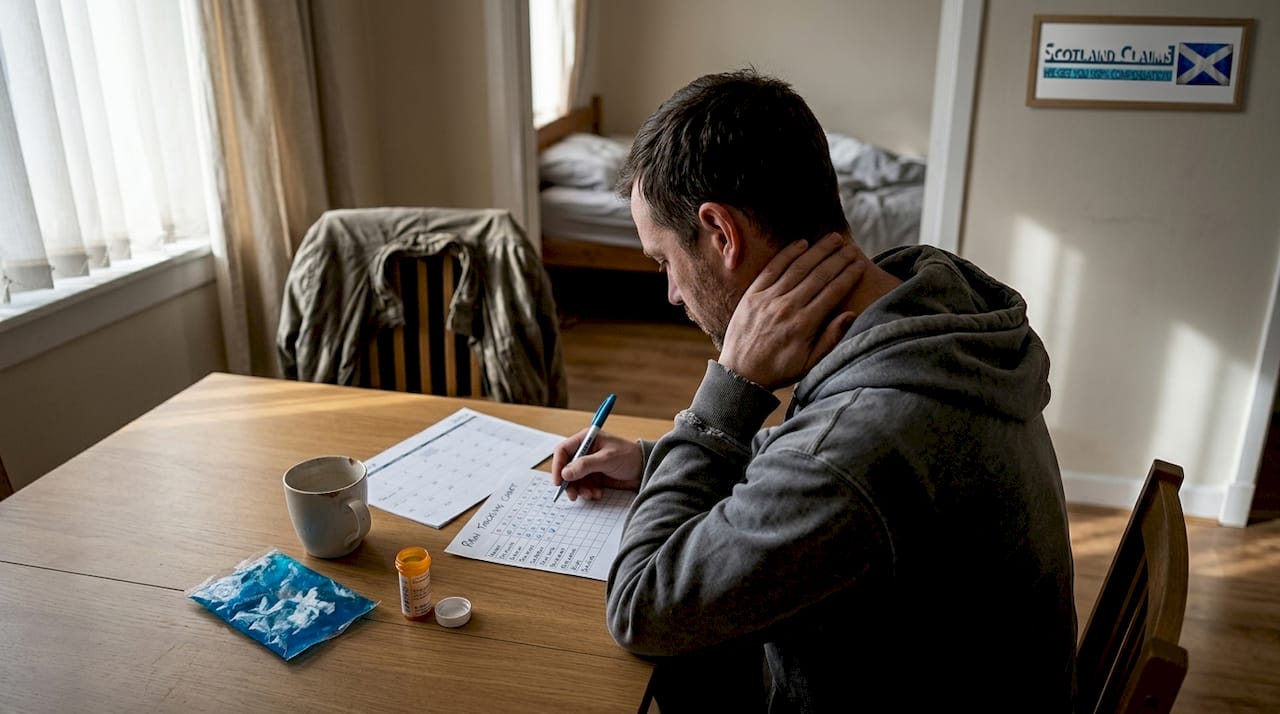
The tariff has made it easier to estimate the general damages element of a whiplash claim, but it has also attracted criticism. Some argue that it undervalues the pain and suffering of people whose symptoms are severe but short-lived. Others say it reduces the need for litigation and speeds up settlements. In practice, the tariff provides a floor, not a ceiling: if the injury is more serious than the tariff assumes, the claimant can argue for a higher award outside the tariff system.
For claimants in Scotland, understanding these rules is essential. The amount of compensation for pain and suffering can vary widely depending on the injury, the evidence, and the legal avenue chosen. While financial losses are easier to prove, the non-financial harm often carries greater weight in the overall settlement. The law attempts to balance these two elements, recognising that an injury affects more than a person's bank account.
