Outdoor shelter comparison: vinyl gazebos and open pergolas
The choice between a vinyl gazebo and an open pergola is a matter of how one intends to use an outdoor space, what weather conditions the structure must handle, and how much enclosure is desired. Both types of shelter add definition to a patio, deck, or garden, but they differ in materials, roof design, airflow, and long-term maintenance. Understanding these differences helps a property owner match the structure to the site and the intended activities.
Basic definitions
A vinyl gazebo is a prefabricated shelter with a metal or wood frame and a roof and side panels made of vinyl fabric. The panels can be fully closed, partially open, or removed depending on the model. The vinyl material is waterproof and blocks wind, which makes the gazebo usable in rain or strong sun, though the degree of enclosure varies by product. Most vinyl gazebos sold as kits include a floor system, wall panels, and anchoring hardware.
An open pergola is a structure with vertical posts and a slatted or latticed roof that lets in light and air. Pergolas typically have no solid roof or walls; they provide partial shade and a framework for climbing plants. Some modern pergolas include adjustable louvered roofs or retractable canopies, but the classic form remains open to the sky. Pergolas are usually built from wood, aluminum, or vinyl-coated steel.
Weather protection and ventilation
The most noticeable difference between the two is how they handle weather. A vinyl gazebo with closed panels keeps rain, wind, and insects out. The roof sheds water, and the side walls block drafts, making the interior usable even during light rain or breezy conditions. Vinyl material also filters UV rays, reducing glare and heat. However, the same enclosure can trap heat and humidity in summer if ventilation is limited. Many vinyl gazebos incorporate mesh windows or roll-up panels to allow airflow while keeping bugs out.
An open pergola offers little protection from rain or wind. Its slatted roof provides dappled shade but does not stop water from reaching the ground. In hot weather, the open design promotes natural ventilation and keeps the area cooler than a fully enclosed space. For people who want shelter from the sun without blocking the breeze, a pergola is a practical choice. In climates with frequent rain or strong wind, a pergola may need supplementary covers or a retractable canopy to be comfortable.
Installation and site considerations
Both structures require a level foundation and proper anchoring. For a vinyl gazebo, the manufacturer usually specifies a concrete pad, pavers, or a wooden deck as the base. The frame must be anchored to prevent uplift in wind, and the vinyl panels must be secured to the frame. Site measurements need to account for the gazebo's footprint and the clearance needed for side panels to open or close. Building permits may be required for structures above a certain size, and local zoning rules often set distances from property lines.
An open pergola is lighter and often simpler to install, but it still needs a solid foundation. Posts are typically set in concrete footings or mounted on brackets bolted to a deck. Because a pergola has no solid roof, wind exposure is less of a concern than it is for a vinyl gazebo, but the posts must still be braced against lateral forces. Pergolas can be built as freestanding structures or attached to a house. The roofline must slope enough to drain water, even though the slats are open.
Materials and durability
Vinyl gazebos are made with powder-coated steel or aluminum frames and heavy-duty vinyl fabric. The vinyl is treated to resist fading, mildew, and tearing, but it can degrade after several years of direct sun and freeze-thaw cycles. The frame may rust if the coating is scratched. Replacement panels are sometimes available from the manufacturer. Regular cleaning and storage of vinyl panels during winter can extend the life of the gazebo.
Pergolas are built from wood, aluminum, or steel. Wood pergolas (cedar, redwood, or pressure-treated pine) need periodic staining or sealing to prevent rot and insect damage. Aluminum pergolas are lightweight and resist corrosion; they are often finished with a baked-on coating. Steel pergolas are very strong but must be galvanized or powder-coated to avoid rust. The slatted roof of a pergola can be made from the same material as the frame or from a separate material such as polycarbonate for added weather protection.
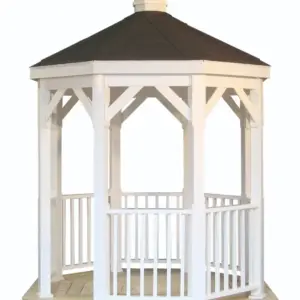
Many homeowners who want a durable outdoor structure choose backyard gazebos because of the enclosed shelter they provide in variable weather. The vinyl panels and solid roof create a space that can be used for dining, entertaining, or storage of outdoor furniture, regardless of the forecast. This versatility makes them popular for patios and lawns where rain is common.
Cost and maintenance
Vinyl gazebos sold as kits are generally less expensive than custom-built pergolas, especially when the gazebo includes walls and a floor. The cost depends on size, frame material, and the thickness of the vinyl. Assembly is more involved than setting up a simple pergola, but the kit includes all necessary hardware. Maintenance includes cleaning the vinyl with mild soap and water, checking for loose bolts, and storing panels in winter if the structure is not used.
Pergola costs vary widely by material and size. A basic wood pergola can be built for a few hundred dollars in lumber, while a large aluminum pergola with a motorized louvered roof can cost several thousand. Maintenance for a wood pergola includes staining or sealing every two to three years. Aluminum and steel pergolas need occasional cleaning and inspection of fasteners. The open design of a pergola means there is less fabric to replace, but the structural parts may need more attention over time.
Use cases and aesthetics
Vinyl gazebos are often used as outdoor dining rooms, barbecue shelters, or places to relax out of the sun and rain. The enclosed sides keep the interior clean and dry, and the floor system provides a stable surface that can be furnished with chairs, tables, and rugs. Some models include screens that keep mosquitoes out, making them suitable for evening gatherings. The appearance of a vinyl gazebo is utilitarian; the fabric panels and metal frame have a clean, modern look that fits many backyards.
Pergolas are chosen for their open, airy feel and their ability to define a space without blocking the view. They are common over patios, above hot tubs, or as garden arches. The slatted roof allows climbing plants such as wisteria or grapevines to grow over the top, creating a living canopy. Pergolas also serve as a support for string lights, hanging plants, or retractable shades. The aesthetic is natural and architectural, blending with landscaping rather than dominating it.
When comparing the two structures, it is helpful to think about how the space will be used most of the year. A vinyl gazebo works well for people who want a protected area that can be used in light rain or wind. An open pergola suits those who value ventilation and a connection to the outdoors and who do not mind occasional wet weather. Both structures can increase the usable living area of a property, and both can be customized with curtains, lighting, and furniture.
Structural considerations
The roof style of a vinyl gazebo is usually peaked or domed to shed water. The frame is engineered to support the weight of the vinyl and any snow load, but the structure is not designed to bear heavy snow for extended periods. In areas with heavy snowfall, the roof may need to be cleared manually or the gazebo taken down in winter. Anchoring is critical: the wind can catch the large surface of the vinyl panels and lift the structure if it is not secured to the ground. Many kits include auger anchors or straps that attach to concrete footings.
Pergolas have a flat or slightly sloped roof made of beams and slats. Snow can accumulate on the slats, but because the roof is not solid, the snow often falls through. Wind passes through the slats, reducing pressure on the frame. The main structural concern for a pergola is the stability of the posts; they must be set deep enough to resist tipping in strong wind, especially if the pergola is tall or supports a heavy covering such as a retractable canopy.
Building permits are a factor for both structures. Many municipalities require a permit for any structure over a certain size, whether it is a gazebo or a pergola. The permit process usually involves submitting site measurements, foundation details, and a plan showing the distance from property lines. Local codes may also specify wind and snow load requirements. Checking with the local building department before construction avoids costly changes later.
Backyard gazebos are a common choice for homeowners who need a weather-resistant space without the expense of a full outdoor room. The kits are widely available and can be assembled in a weekend with basic tools. Once the foundation is in place, the frame is bolted together, the vinyl roof is stretched over the frame, and the side panels are zipped or snapped into position. The result is an enclosed shelter that adds function and value to the property.
Final notes
The decision between a vinyl gazebo and an open pergola comes down to the balance of enclosure, weather protection, and openness that fits the site and the owner's needs. Both types of shelter have strengths and limitations. A vinyl gazebo provides a dry, wind-free environment that works well for dining and entertaining. An open pergola offers shade and structure without blocking the sky or the breeze. Understanding the characteristics of each helps a person choose the outdoor shelter that matches their climate, budget, and lifestyle.
