Trailer size and capacity selection for common loads
Trailer size and capacity selection is the process of matching a trailer's dimensions and weight ratings to the intended cargo and the towing vehicle that will pull it. The subject covers the principles of gross vehicle weight, payload capacity, axle rating, and other ratings that determine whether a given trailer can safely carry a particular load. It also involves the physical length and width of the trailer bed, the height of its sides or enclosure, and the type of hitch needed. A buyer or user who understands these factors can evaluate trailers based on the cargo they plan to transport and the legal limits for road use.
Key ratings and definitions
The most important number on a trailer specification sheet is its gross vehicle weight rating (GVWR). This is the maximum total weight the trailer is designed to carry, including the weight of the trailer itself and the cargo. The GVWR is set by the manufacturer and is based on the strength of the frame, the axle rating, and the suspension components. A trailer's payload capacity is the GVWR minus the trailer's empty weight, giving the maximum weight of cargo that can be loaded. For example, a trailer with a GVWR of 7,000 pounds and an empty weight of 1,500 pounds has a payload capacity of 5,500 pounds. Exceeding the GVWR is unsafe and illegal, as it can cause axle failure, tire blowouts, and loss of control.
Axle rating refers to the maximum load each axle assembly can support. Most utility and dump trailers use two axles, each rated for a specific weight, such as 3,500 pounds. The combined axle rating must equal or exceed the GVWR. Tongue weight is the downward force the trailer exerts on the hitch ball when the trailer is level, typically 10 to 15 percent of the loaded trailer weight. Proper tongue weight ensures stable towing. If too low, the trailer may sway; if too high, the tow vehicle may be overloaded. Brake controllers are required for trailers above a certain weight threshold, varying by jurisdiction, and synchronize the trailer brakes with the tow vehicle's brakes. A breakaway switch activates the trailer brakes if the trailer becomes disconnected.
Length and bed dimensions
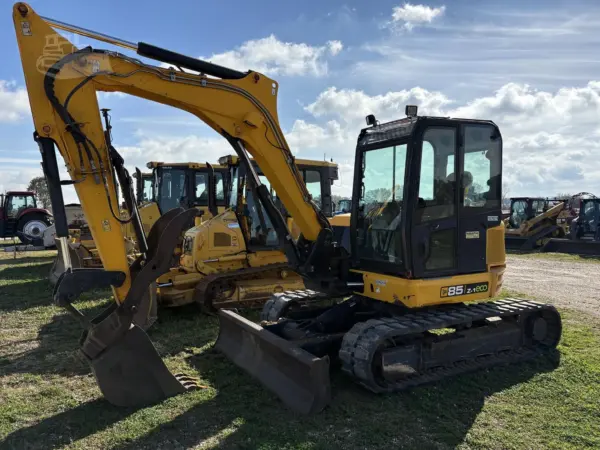
Trailer length is measured from the front of the deck or body to the rear, excluding the tongue. Common lengths for utility trailers range from 4 feet to 30 feet or more. The needed length depends on the cargo's length and shape. For example, a 12-foot utility trailer can carry lumber, canoes, or furniture, while a 20-foot equipment trailer can haul a small excavator. Width is typically 5 feet, 6 feet, or 8.5 feet for highway use. Wider loads require permits. For enclosed trailers, interior height matters: a 4-foot interior height suits ATVs and furniture, while 6-foot or taller heights allow standing room for moving household goods.
For specific cargo like cars, a car hauler trailer often has a length of 16 to 24 feet and a width of 82 inches, with ramps and tie-down points. Dump trailers need a shorter bed (often 8 to 14 feet) to keep the center of gravity low when dumping. Gooseneck and flatbed trailers used for heavy equipment may be 20 to 50 feet long, with multiple axles to distribute weight. The choice of length also affects maneuverability: a longer trailer requires more turning radius and may be harder to back into tight spaces.
Tow vehicle compatibility
A trailer's size and capacity must be matched to the tow vehicle's capabilities. The tow vehicle's gross combined weight rating (GCWR) is the maximum weight of the vehicle, passengers, cargo, and trailer combined. Exceeding this rating can overheat the transmission, strain the engine, and reduce braking effectiveness. The trailer's loaded weight should be within the tow vehicle's maximum towing capacity, which is specified by the vehicle manufacturer. Additionally, the hitch class must match the tongue weight: a weight-carrying hitch supports up to about 500 pounds of tongue weight, while a weight-distributing hitch can handle higher tongue loads. A fifth-wheel or gooseneck trailer uses a hitch mounted in the truck bed, which distributes weight more evenly and allows heavier loads.
Brake controllers are required for trailers that exceed a certain weight, often 3,000 pounds in many states. They can be time-delay or proportional. Proportional controllers adjust braking force based on the tow vehicle's deceleration, providing smoother stops. A buyer should check the tow vehicle's owner manual for its specific towing limits and required equipment.
Types of trailers and typical capacities
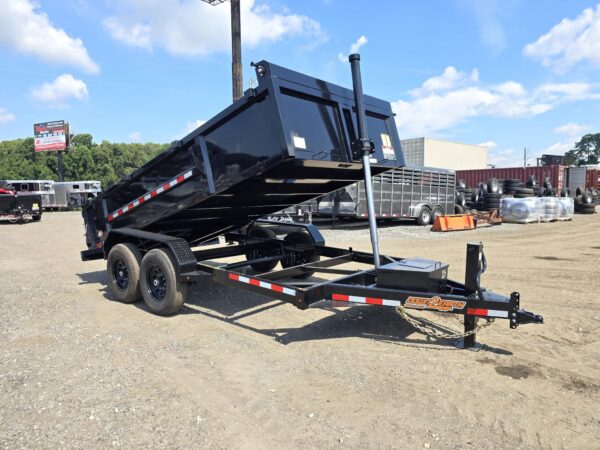
Different trailer types are designed for different cargo shapes and weight ranges. Utility trailers are open, with a flat bed and low sides, suitable for general hauling such as landscaping material, construction debris, or furniture. They typically range from 4 by 6 feet to 8 by 20 feet, with payload capacities from 1,200 to 5,000 pounds. Dump trailers have a hydraulic lift that tilts the bed, allowing the cargo to slide off. They are common for hauling gravel, dirt, or mulch. Their bed length is usually 6 to 14 feet, with GVWRs up to 14,000 pounds.
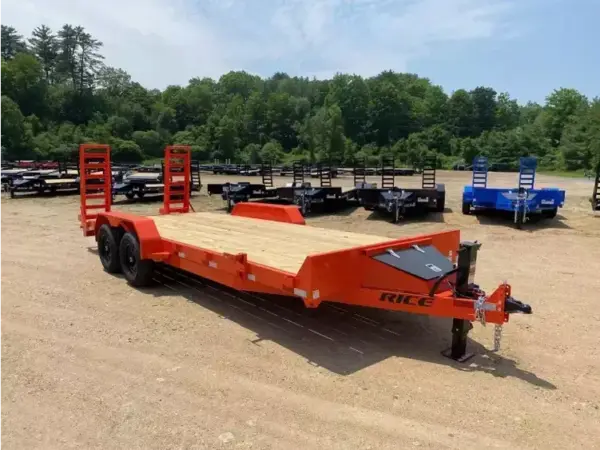
Enclosed trailers provide weather protection and security. They are used for moving household goods, transporting motorcycles or ATVs, and as mobile workshops. Sizes range from 5 by 8 feet to 8.5 by 30 feet, with payload capacities from 1,500 to 8,000 pounds. Car hauler trailers are specialized enclosed or open trailers for transporting vehicles. They have ramps, tie-down rings, and often a length of 16 to 24 feet. Their payload capacity must exceed the weight of the heaviest vehicle carried. Gooseneck and flatbed trailers are used for heavy equipment such as tractors, skid steers, and large machinery. They have a drop deck or a flat bed and can carry 10,000 to over 30,000 pounds. Equipment trailers are similar but may have a lower deck height for easier loading.
A buyer can find work-ready examples of many of these types at eliteplustrailers.com, which lists detailed specs for each model. The site presents GVWR, axle rating, and bed dimensions so that a shopper can compare trailers against their cargo needs.
Legal and safety considerations
Each jurisdiction sets maximum trailer dimensions and weight limits for roads without special permits. In many regions, the maximum width without a permit is 8.5 feet, and maximum height is 13.5 feet. Length limits vary but are often 40 feet for a single trailer. Weight limits for axles are typically 20,000 pounds per axle, and gross vehicle weight is limited to 80,000 pounds for combination vehicles on interstate highways. Exceeding these limits can result in fines, impoundment, or liability in an accident.
Tongue weight that is too high or too low affects handling. A trailer that is too heavy for the tow vehicle can cause the rear of the vehicle to sag, reducing steering control and causing the headlights to point upward. Safety chains, breakaway switches, and proper tire inflation are required by law in most places. The trailer's tires should have a load rating equal to or greater than the axle rating. Regular inspection of the frame, wheels, and lighting is part of responsible ownership.
Factors that influence the choice
The primary factor is the heaviest item that will be carried. A buyer should weigh the item and add the weight of any additional cargo, then add the trailer's empty weight to stay within the GVWR. The length of the cargo determines the minimum bed length. A longer trailer may be needed if the cargo extends past the rear, but overhang is limited by law. The shape of the cargo also matters: an ATV may fit in a 5-by-8-foot utility trailer, but a riding lawn mower may require a ramp and a shorter bed. For frequent hauling, a dump trailer saves labor by self-unloading. For security, an enclosed trailer is necessary.
The availability of models with specific ratings can be checked through dealers such as eliteplustrailers.com, which catalogs trailers by type, weight class, and dimensions. A buyer can use such resources to narrow down options before visiting a lot. The final selection should always be based on the actual weight and size of the cargo, not on an assumption of typical loads.
