Residential Coating: Driveway Sealer vs. Ceramic Options
Homeowners tend to think of coatings as a single category: something shiny that keeps things looking good. Out in the field, the difference between a proper driveway sealer and a true ceramic coating is not just chemistry, it is purpose, prep, longevity, and how you live with the surface after it cures. I spend much of my time moving between garages and driveways, shifting from car detailing projects like paint correction and wheel coating to residential coating questions. The best choice for a driveway is rarely the same product that makes a car’s clear coat bead like a fresh wax job for years. Understanding the materials and the way they age is the difference between a surface that works for you and one that turns into a maintenance headache.
What a driveway sealer is designed to do
Driveway sealers are traffic-layer products built for porous surfaces. Asphalt sealers, typically asphalt emulsion or coal tar derivatives where still allowed, refresh color, slow oxidation, and help resist UV and water intrusion. Penetrating concrete sealers, often silane, siloxane, or silicate blends, soak into the capillaries, reduce water absorption, and limit freeze-thaw damage and salt penetration. Film-forming concrete sealers, like acrylics or urethanes, create a visible skin that can add gloss and stain resistance.
These products are judged by different metrics than automotive coatings. On a driveway, we worry about hot tire pickup, de-icing salts, oil staining, ultraviolet exposure, and the grind of seasonal grit. A good asphalt sealer for a typical suburban driveway lasts one to three years before it looks tired, sometimes longer in mild climates with gentle traffic. Quality penetrating sealers on concrete can keep water absorption low for five to ten years, though visible gloss and stain resistance vary. The film-forming acrylics can look great at first, then scuff, wear in the tire paths, or blush if moisture pressure rises from below.
Cost, coverage, and ease of reapplication drive many decisions. A five-gallon pail that covers 250 to 500 square feet feels approachable, and a weekend with a squeegee seems manageable. That approach works, provided the homeowner understands the substrate and has reasonable expectations about durability and appearance over time.
What a ceramic coating is really for
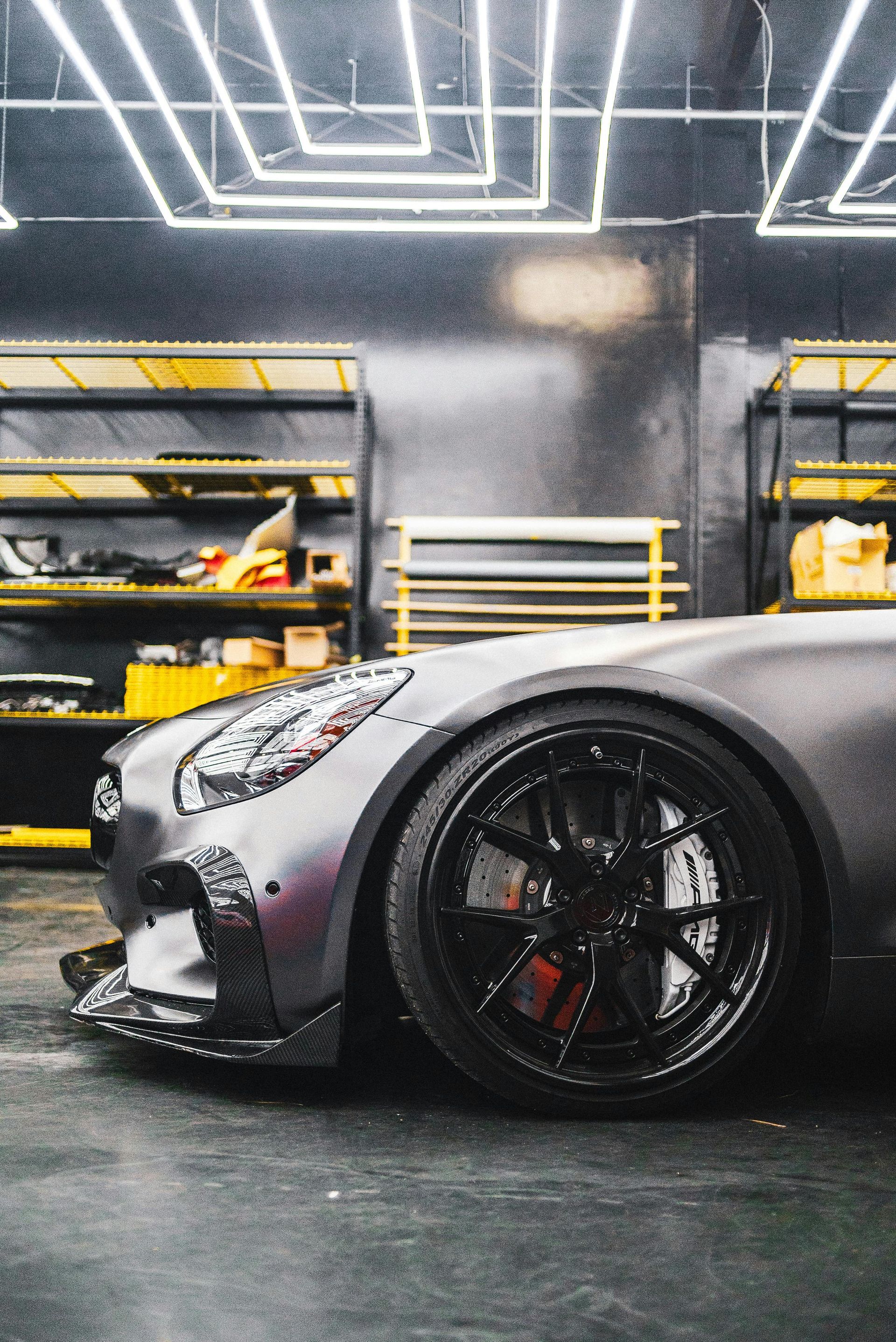
Ceramic coating, in the way most car detailing pros use the term, means a silica-based product, often with SiO2 or SiCN chemistry, that bonds to a painted automotive clear coat and cures into a dense, hydrophobic layer. It requires meticulous prep, from multi-stage wash to paint correction, because it locks in whatever lies underneath. On paint, a properly applied ceramic helps shed water, resist etching, and keeps gloss alive longer. Many of us also use car detailing ceramic technology for wheel coating, where brake dust and heat punish lesser treatments, and for interior coating on high-touch plastics, leather, and fabric to add stain resistance without a greasy feel. The same family of products extends to marine detailing and RV detailing, with adjustments for UV load, gelcoat porosity, and environmental exposure.
People hear ceramic and assume it is universally superior. On rigid, non-porous finishes like automotive clear coat or gelcoat, a ceramic shines. On porous, load-bearing outdoor surfaces like concrete pavers or broom-finished slabs, the picture is mixed. Some ceramic sealers are formulated specifically for concrete and stone, and they can improve stain resistance and make cleanup easier. But ceramics are generally less vapor-permeable than breathable penetrating sealers, which matters when moisture wants to escape from a slab. Trapping vapor below a hard film invites delamination, whitening, or blistering down the line. The chemistry has advanced, yet the physics of moisture transmission, thermal expansion, and ground vapor remains stubborn. It is why many concrete pros still prefer penetrating silane-siloxane systems for driveways, patios, and walkways.
A tale of two surfaces: clear coat versus concrete
I worked a house where the homeowner had a ceramic-coated SUV parked over a concrete driveway sealed with a high-solids acrylic. The vehicle looked fantastic, tight beads and a deep, corrected shine. The driveway glowed for a month, then the hot tire paths turned matte and caught dust. The difference was predictable. The car’s surface was smooth, uniform, controlled in prep, and the coating only saw foot traffic from washing mitts. The driveway bore the weight of two vehicles, one with summer performance tires that got hot during interstate commutes. The acrylic softened under heat, dirt keyed into the softened surface, and then it dried with a patchy sheen. The owner didn’t do anything wrong, they simply used a product where its strengths did not align with the abuse pattern.
On another job, we applied a penetrating silane-siloxane blend to a broom-finished concrete driveway in a freeze-thaw climate. The surface looked unchanged, almost disappointingly ordinary to the eye. Come winter, water beaded modestly instead of flashing off like it does on a ceramic. But the big difference appeared in spring. There were no pop-outs or spalls along the tire tracks, and de-icing salt stains rinsed easier. The coating didn’t aim for a showroom gloss, it aimed for long-term structural protection by cutting capillary absorption. That is the right metric for a driveway.
Where ceramic belongs on residential property
Ceramics have a place around a home, sometimes even outdoors. We often use them on garage floors that have been mechanically ground, repaired, and prepared for a two-part epoxy or polyaspartic system. A ceramic topcoat can add chemical resistance and a slick surface that sheds grime. On sealed and polished concrete inside a mudroom or shop, a thin ceramic layer brings stain resistance and simplified cleaning, provided vapor drive is handled correctly. On metal or painted doors, outdoor kitchen panels, or powder-coated railings, a ceramic can punch above its weight because those substrates resemble automotive paint in behavior.
It comes down to substrate density and vapor behavior. The closer the surface is to a non-porous, stable finish, the better a ceramic tends to perform. The more the surface breathes and moves with moisture and temperature, the more a penetrating or elastomeric system makes sense.
The practical case for traditional driveway sealers
Asphalt oxidizes. That slow fade into gray, coupled with raveling aggregate and surface checking, is inevitable without a sacrificial layer. Modern asphalt emulsions roll on quickly, tolerate minor dust left after cleaning, and refresh color in a way that helps with curb appeal. They slow the brittle aging that invites cracking. Even if you need to reapply every other year, the process is straightforward and the material cost per square foot remains modest.
For concrete, the penetrating option earns its keep the first winter you avoid salt scaling. Silane molecules are small enough to travel into the pore network, and once they bond, they create a hydrophobic lining that does not change the surface texture. That means slip resistance remains intact, which matters on a sloped driveway. When applied at the correct coverage rate, often 100 to 200 square feet per gallon depending on porosity, you get water-repellent behavior that can last several seasons before a recoat. Oil and grease will still stain if left to bake in the sun for days, but cleanup is easier and darker blotches are less likely to wick deep into the slab.
Acrylic film-formers have their role too, especially on stamped, colored concrete where you want to enrich color and add a satin sheen. They can be refreshed with a maintenance coat, and they accept anti-slip additives to keep things safe. The trade-off is routine upkeep. UV will chalk lower-quality acrylics, and tire paths will telegraph over time. A simple rule: if you want a deepened color and light gloss, and you are willing to maintain it, acrylic works. If you want invisible protection and the longest interval between reapplications, penetrating sealers fit better.
What car detailing has taught us about expectations
Ceramic coating on vehicles has created a wave of expectations about water behavior and self-cleaning. Homeowners love how beads form and roll off paint after a proper wash. They notice how bugs scrub away easier. They start asking if they can get the same on their driveway or patio. I get the impulse. Hydrophobic behavior is satisfying. But different substrates ask for different compromises.
Paint correction before ceramic is standard because the coating locks in swirls and holograms. For a driveway, the equivalent would be resurfacing or diamond grinding before applying a film-forming coating, and most homeowners do not want to take that step. They want a roll-on solution over a slightly stained, exposed-aggregate surface with a leaf imprint near the drain. In that scenario, a penetrating sealer that leaves the character alone, while lowering water absorption and improving freeze-thaw performance, is the smarter investment. Afterward, routine cleaning helps more than chasing hyper-beading.
In our auto detailing work, we also see where ceramics fail. On wheels that are not absolutely clean, bonded iron and tar under the coating lead to premature breakdown along the inner barrels. On interior coating, silicone-heavy dressings applied post-service can undermine durability. Translated to residential use, if a driveway is not thoroughly cleaned, degreased, and dried to a consistent moisture content before a film-forming coating, adhesion suffers. The same disciplined prep that makes ceramic shine on paint also governs success on concrete and asphalt, only with more variables.
The maintenance conversation, not the miracle cure
Every coating, whether a driveway sealer or ceramic on a sports car, buys you time and changes the way dirt and water interact with the surface. None of them remove maintenance. The win is in easier cleaning and slower degradation.
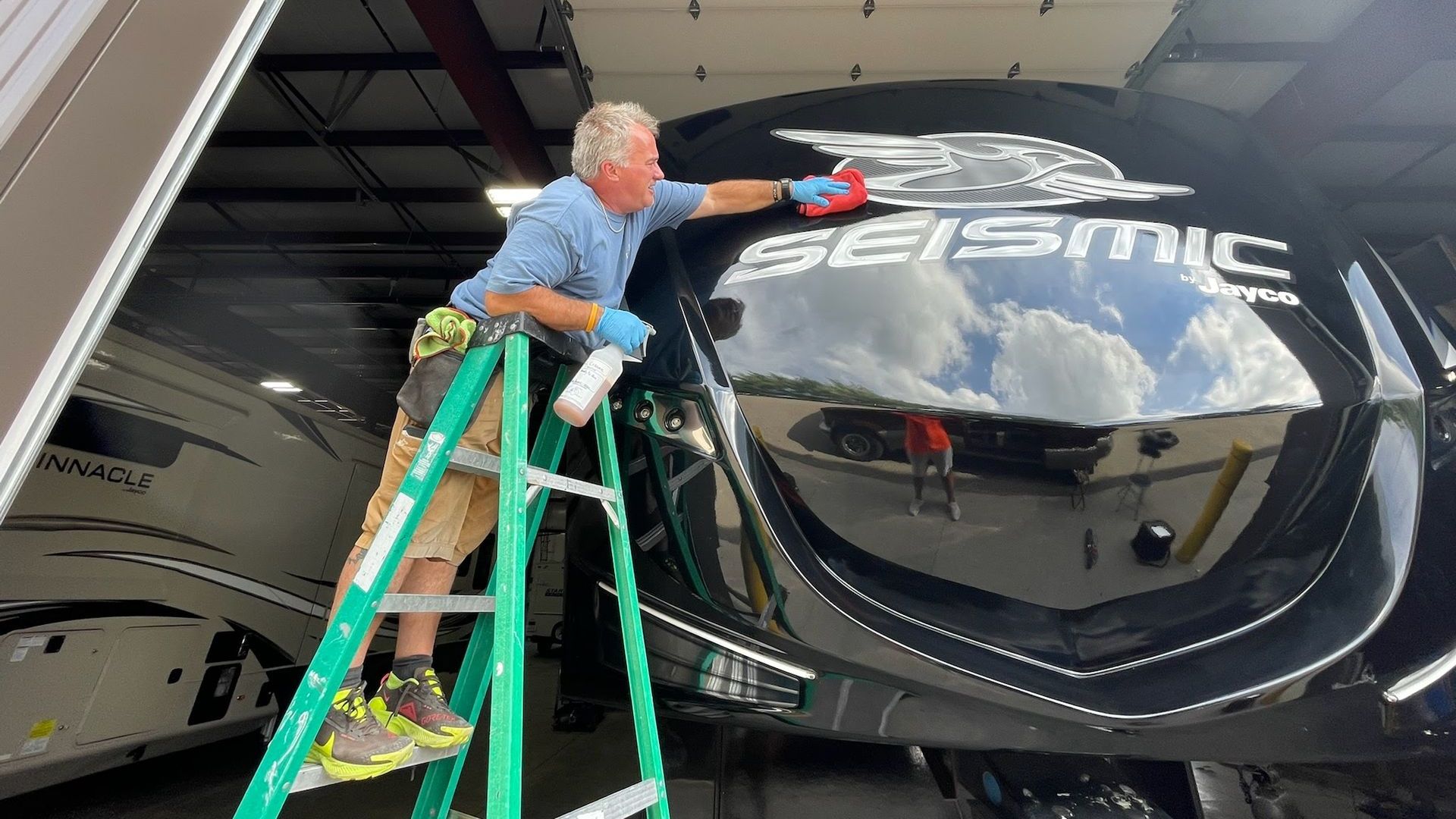
For driveways, a light alkaline cleaner and a low-pressure rinse on a routine schedule does more than any miracle product applied once and forgotten. For ceramic-coated paint, contact washes still matter, and a pH-neutral soap helps preserve the coating’s hydrophobic layer. On boats after marine detailing, salt needs to be rinsed as soon as possible regardless of the protection on the gelcoat. On RV detailing, the sheer surface area means even a great coating can only do so much if the vehicle bakes uncovered for months.
The way to frame your decision is to map your tolerance for maintenance against the visual and functional outcomes you value. Deep gloss and sharp beading are easy wins on a car with ceramic, less so on a driveway that wants to breathe and move. Invisible performance, like reduced water uptake and fewer winter spalls, is the driveway’s version of success.
Where ceramic driveway products can make sense
Some ceramic-labeled products for masonry aim to bridge the gap by offering a thin, hard-wearing coat with improved vapor permeability compared to old-school acrylics. On dense, decorative concrete, such as a well-cured stamped surface with integral color and release, a carefully applied ceramic sealer can highlight color and fend off stains from leaves, barbecue grease, and tire scuffs better than a basic acrylic. Prep becomes non-negotiable. The slab must be dry within manufacturer specs, often below 5 percent moisture content near the surface. It must be clean of silicones, tire residues, and old sealer remnants. Application conditions should be mild, typically between 50 and 80 degrees Fahrenheit with low wind and stable humidity.
In my experience, these hybrid ceramics do best on patios and covered entries that see lighter vehicle traffic. On primary drive lanes, especially where heavy trucks park or where studded tires come out in winter, the abrasion and hot tire load still tip the scales toward robust film-forming urethanes or the more forgiving, re-coatable acrylics. A penetrating base layer paired with a sacrificial topcoat can also work, giving you depth of protection plus a replaceable wear surface.
Headlights, wheels, and the driveway: choosing battles
It might sound like a detour, but it helps to look at edge cases we tackle in auto detailing. Headlight restoration is a perfect example of substrate-specific logic. Polycarbonate lenses yellow because the factory UV hardcoat fails. The right process is mechanical refinement to remove the oxidized layer, then a new UV-stable coating designed for plastic, not a blanket ceramic meant for clear coat. It is the same story on wheels. A dedicated wheel coating that handles heat and iron fallout beats a generic paint coating in that location.
Translated, your driveway is a unique substrate that rewards the product tailored to its realities. If you have decorative borders or inlays, you may treat those zones differently than the main tire paths. If you have pavers on a steep pitch, prioritize traction and vapor permeability. If you have a polished concrete apron by the garage with an epoxy system, that zone can benefit from a ceramic topcoat while the rest of the brushed driveway gets a penetrating sealer. Mixing systems by zone is more work during application, but it often delivers the right set of properties in the right places.
How On the Spot Mobile Detailers approaches the gray areas
On the Spot Mobile Detailers and the driveway decision tree
In the field, we keep a simple decision tree that avoids dogma. First, identify substrate and condition, including moisture behavior and prior sealers. Second, match the abuse pattern: parked vehicles, turning radius, sun load, and winter treatments like salt. Third, pick a system with maintenance in mind, not just the first week’s appearance. That method grew out of work across auto detailing, residential coating, and even marine detailing where docks and hulls meet vivid UV, salts, and impact.
At On the Spot Mobile Detailers, the cross-pollination helps. The prep discipline from paint correction and ceramic coating carries over to residential surfaces. The inspection eye we use to spot clear coat failure lets us catch efflorescence or microcracking on concrete before it becomes a problem. When customers ask for a ceramic on their driveway because they love how their vehicle looks, we walk the property, test absorbency, and often demonstrate water behavior on a test patch. Seeing how a penetrating sealer changes the surface in a subtle but functional way helps reset expectations.
On the Spot Mobile Detailers, from cars to concrete
We once serviced a property where the owner had a ceramic-coated coupe, two daily drivers, and a mix of stamped and brushed concrete around the home. The request began with wheel coating for the coupe and grew into a conversation about the driveway’s oil spots and winter salt rings. We split the project into zones. The coupe received a decontamination wash and a light paint correction followed by a two-layer ceramic. The daily drivers got a single-layer ceramic after a thorough prep. The stamped entry received a compatible acrylic sealer with anti-slip beads, applied in cool morning shade. The brushed driveway got a penetrating silane-siloxane. Six months later, the entry still popped visually, the driveway shed spring slush without crusty rings, and the cars looked fresh after easy washes. That mix of systems, rather than a single ceramic approach everywhere, delivered what the client actually needed.
Unexpected edge cases to plan for
New concrete is not ready for most sealers for at least 28 days, sometimes longer depending on mix design, curing conditions, and weather. Applying a film-forming sealer too early traps moisture and invites whitening. High-performance penetrating sealers can often go on earlier, but only after checking manufacturer guidance and field-testing water absorption. Concrete that was previously sealed with a non-breathable product may need stripping or mechanical abrasion before any new system will behave correctly.
Driveways with radiant heat loops require special care. Thermal cycling can accelerate film failure and telegraph scrape marks from snow shovels. Here the safer route is a high-quality penetrating sealer with a regular maintenance interval, paired with non-metallic shovels and rubber-blade snow pushers.
Oil spots change the game. A sealer over embedded oil is a short road to fisheyes and adhesion issues. Pulling oil out with a poultice or an enzymatic degreaser over several sessions is tedious but necessary. On asphalt, repeated oil exposure softens the binder. In that case, sealcoat can hide the stain visually, but the soft spot will often telegraph under hot tires. Managing leaks from vehicles matters more than any product choice.
A short comparison that keeps you honest
- Penetrating concrete sealer: invisible or near-invisible finish, high vapor permeability, strong water and salt resistance, minimal slip change, long functional life, modest change in stain behavior, ideal for freeze-thaw regions.
- Film-forming acrylic on concrete: visible sheen and color enrichment, re-coatable, can chalk or scuff, sensitive to hot tire pickup, needs controlled application conditions, adds maintenance.
- Asphalt emulsion sealer: refreshes color, slows oxidation, easy to apply, typical one to three-year cycle, tolerates minor substrate imperfections, not a structural fix.
- Ceramic coating (automotive): exceptional hydrophobics and gloss, requires paint correction prep, multi-year durability on paint, outstanding for wheels with proper prep, best on non-porous finishes.
- Ceramic for masonry: situationally strong on dense, decorative surfaces with tight prep and moisture control, less forgiving on high-vapor, high-abrasion drive lanes.
Why driveway beading is a misleading metric
Beading is a visual cue we all enjoy. It tells you about surface tension, not necessarily about long-term protection. A driveway can bead impressively for a few months after a film-forming sealer yet still allow chloride ions to infiltrate from melted snow, starting the slow chemistry that pops aggregate. Meanwhile, a penetrating sealer may show mild sheeting instead of tight beads, yet it keeps capillary absorption low enough to thwart freeze-thaw damage for years. The better metric is water uptake over time, not bead geometry the morning after application.
This is the same lesson we bring to interiors. Interior coating on leather does not need to bead water to succeed, it needs to resist dye transfer and make spills easier to remove. Function first, then optics where appropriate.
The prep disciplines that cross over well
A thorough surface prep solves half of all coating complaints before they happen. For automotive ceramic, that means decontamination with iron removers, claying, and paint correction to level swirls. For concrete, it means degreasing, removing efflorescence, neutralizing cleaners, and letting the slab dry to stable moisture levels. For asphalt, it means sealing cracks and patching divots before a top coat. In both worlds, controlling application conditions matters. Coatings like stable temperatures, measured humidity, and shade. Wind-borne grit during cure time is the enemy, whether you are laying a ceramic on a hood or an acrylic on stamped concrete.
We lean on the same tools across services. A quality moisture meter and IR thermometer for concrete and epoxy work. Bright inspection lights that reveal film defects, useful for spotting missed polish on a quarter panel or a light streak on a sealed patio. Patience through cure windows rather than rushing a second coat.
Where the markets blur, and where they should not
Mobile detailing teaches flexibility. Weather shifts, schedules move, garages turn into temporary studios. That agility helps on the residential side when a forecast forces a reschedule to keep a sealer safe during cure. At the same time, boundaries matter. The ceramic that lasts three to five years on a properly corrected car is not a magic layer for a sunbaked, oil-stained driveway that takes the weight of a pickup and a trailer. Pick the right chemistry for the job and you will avoid the disillusionment that comes from treating a coating like a cure-all.
As for the fun projects, there is room to experiment in the right spots. Powder-coated patio furniture wakes up nicely with a thin ceramic coat. Stainless grills clean easier. Painted garage doors and even certain composite trim benefit from modest hydrophobics and UV resistance. Just mind the prep and choose products that list those substrates explicitly.
Final guidance from the field
If you are weighing driveway sealer versus ceramic, begin with the substrate and the environment, not the product labels. On a typical residential driveway, a breathable penetrating sealer wins on function and longevity, while film-forming acrylics can add a pleasing finish with understood maintenance. Ceramic shines brightest on cars, wheels, select indoor concrete or epoxy floors, and dense, non-porous architectural elements. Where ceramics are marketed for masonry, apply them with strict prep, moisture control, and realistic expectations about abrasion and tire heat.
On the Spot Mobile Detailers brings lessons from car detailing, paint correction, and even headlight restoration into residential work, which helps us steer choices toward durable outcomes rather than short-lived gloss. Whether we are finishing a ceramic coating on a coupe, refreshing a wheel coating before a road trip, or selecting a residential coating for a driveway that sees salt and sun, the same principle holds: choose the chemistry that respects the surface. That is the quiet difference between a weekend thrill and a surface that performs season after season.
