The Ultimate Garage Cabinet Installation Checklist
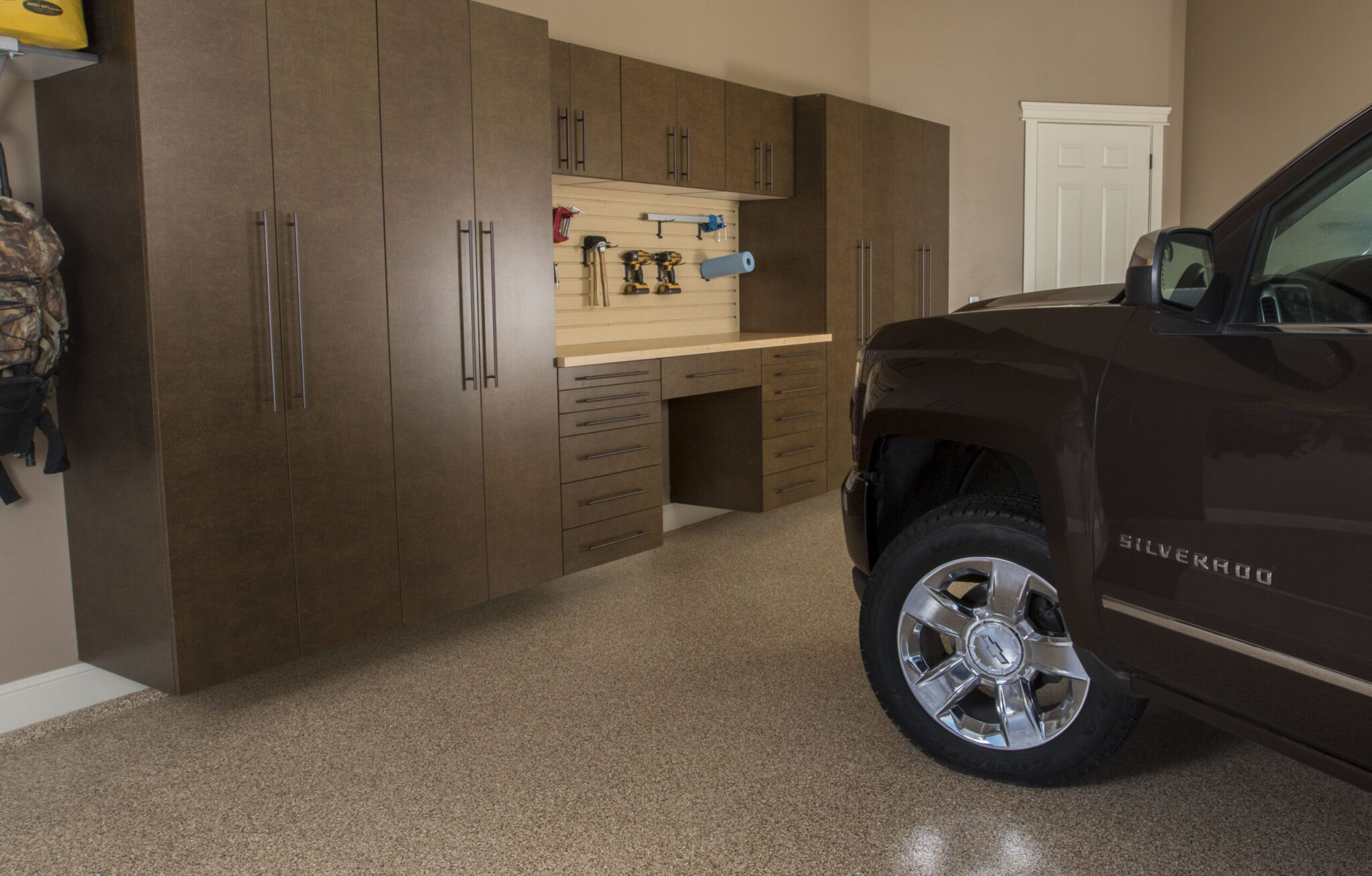
A good garage cabinet system changes how you use your home. Surfaces clear, tools find their way back to a labeled shelf, seasonal bins stop tumbling from wire racks, and the floor finally looks like a place to park a car rather than a storage unit in disguise. The difference is rarely about buying the most expensive cabinets. It is about thoughtful planning, solid materials, square and level installation, and a few smart choices that anticipate how you will actually live with the space.
I have installed cabinets in everything from narrow single bays to deep shop garages with lifts. Patterns repeat. Where projects succeed, the team measured wall flatness, acknowledged the garage slab’s slope, and respected the weight and reach of the user. Problems creep in when people mount to drywall rather than structure, set cabinets too low for door swing, or install before dealing with moisture. This checklist lays out what matters and why, along with practical moves you can use whether you are hiring a garage cabinet company or tackling the job yourself.
Why the plan matters as much as the boxes
Cabinets are unforgiving. Once they are lagged into studs or tapped into concrete anchors, moving them is work. If a base cabinet is out of level by a quarter inch, the doors will telegraph it every time they swing. A 200 pound cabinet loaded with tools needs real structure behind it, not drywall and hope. And in humid regions like Atlanta, the wrong materials will swell, delaminate, or rust long before their time.
A good plan forces early decisions: what gets stored, which walls can carry weight, where power and water lines run, how the garage door tracks intrude, and the exact elevation of the slab from one corner to the other. The upfront time protects you from the two worst outcomes, rework and regret.
Know your room: measure, then measure again
Garages are not square by default. Builders pitch the slab toward the door for drainage, often 1 to 2 inches over 20 feet, and they do not obsess over perfect drywall. Before you talk about finishes or pulls, map your box. Capture the length of each wall, ceiling height at both ends of the room, and the distance from corners to any obstructions like outlets, windows, hose bibs, or the opener rail. Push a long straightedge against the wall to see where it bellies out or dives, and run a six foot level along the floor to find the slope and any birdbaths.
I note five things on every garage wall sketch: stud locations, wall material type, vertical plumbness, outlet spacing and height, and the swing or projection of any door into the garage. Those five items will tell you where you can safely hang, how deep your cabinets can be, and where a tall cabinet will need a filler or scribe.
Materials that survive real garages
Most homeowners focus on color and door style, but the substrate and hardware determine service life. Melamine over particleboard is common because it is affordable and cleanable. It works in many garages if edges are sealed and the panels stay off a damp slab. Moisture is the enemy of particleboard. If your garage sees seasonal humidity swings or the slab sometimes sweats, step up to thermally fused laminate on high density cores, marine plywood for critical bottoms and backs, or a steel system powder coated inside and out.
For Atlanta, where summer humidity hovers high and red clay holds moisture, I prefer cabinets that use plywood boxes with a durable laminate face and sealed edges, or steel boxes with ventilated backs and a corrosion resistant coating. Aluminum systems are lighter and immune to rust but cost more and can dent if abused. Door hardware should be full overlay, soft close, and rated for garage duty. For drawers, 100 pound full extension slides are my baseline, with 200 pound slides for deep tool drawers. Handles need a finish that does not show fingerprints and can stand up to occasional oil.
Layout that respects how you move
Every garage forces choices. A double bay with a single door loses headroom where the opener track drops, and that dictates cabinet height along that wall. If you park inside, you need 30 to 36 inches of clearance to open doors comfortably. A 24 inch deep base cabinet across from a car can feel tight, so placing deeper storage along the back wall and shallower uppers on the sides keeps traffic flowing.
Think in zones. Everyday items live between knee and shoulder height near the entry to the house. Heavy tools should sit in lower drawers, never in overheads. Long items like ladders, fishing rods, or pipe deserve a tall narrow cabinet with full height doors or wall mounts adjacent to cabinets. If you plan a workbench, reserve 48 to 72 inches of uninterrupted counter so projects have breathing room.
A short pre‑installation checklist
Use this before you order or schedule the crew. It keeps you from painting yourself into a corner.
- Confirm storage needs by category, then purge anything you will not keep.
- Map studs, outlets, switches, plumbing, and opener tracks on a to‑scale drawing.
- Measure floor slope and wall flatness, then choose leg levelers or a riser system to compensate.
- Decide on material spec suitable for your climate and moisture level, including edge sealing.
- Lock in heights, clearances, and door swing, and mark those lines on the actual walls with tape.
Wall structure and what you are really mounting to
Drywall hides sins. A stud finder helps, but I always confirm with a small pilot hole in a spot that will be covered. Framing in production homes often follows 16 inch on center, yet I have opened walls in Atlanta neighborhoods where spacing drifted to 19.2 or even 24 inches, particularly around garage door headers and corners. Ledger rails make life easier when studs do not fall where you want. A 1 by 4 hardwood or a steel French cleat spreads load, gives you flexibility on exact cabinet placement, and straightens small wall waves. Anchor the ledger into every available stud with structural screws, not drywall screws.
If you need to mount on concrete or masonry, switch to sleeve anchors, Tapcons, or lead shields sized to your load and cabinet back thickness. Pre‑drill with a hammer drill, vacuum the holes, and mind edge distances so you do not blow out the substrate. Masonry mounting rewards patience and sharp bits. Wear hearing and eye protection, and use a stop collar or tape flag so you do not overshoot depth.
Floor realities: slope, shims, and risers
Most garage slabs are intentionally out of level. Cabinets do not care that your slab pitches toward the door. They want level and plumb. I handle this two ways. For standalone base cabinets, integrated adjustable legs let you level each box, then you snap on a toe kick to hide the variability. The other method is a continuous, leveled riser built from treated lumber or metal channel that sits beneath a run of cabinets. On a steep pitch, a riser looks cleaner because the toe line stays straight and you do not end up with a tall toe at one end and a stubby one at the other.
Never set wood directly on a damp slab. Even in a dry garage, capillarity will pull moisture into raw end grain. Use composite shims, treated material, or a membrane like sill gasket between wood and concrete. If you live where the slab occasionally sweats, leave a slight gap at the back of toe kicks so air can move.
Hardware that holds, not hopes
Cabinet hanging screws should be structural and sized for the cabinet back and ledger. For wood framing, a 5/16 diameter structural screw at 3 to 4 inch length is a dependable choice, paired with a large washer or truss head when used through a cleat to distribute pressure. For steel studs, toggle bolts or specialty anchors rated for cabinetry are safer, though I try to tie into the top and bottom tracks whenever possible, or add blocking during a pre‑drywall remodel.
Avoid generic coarse thread drywall screws. They snap under shear and strip in studs. A box of proper fasteners costs little compared with the cost of a fallen cabinet and a cracked tool set.
Power, air, and water, planned before boxes go up
Cabinets often block the very outlets you use. Before you finalize the layout, decide where chargers, a affordable garage cabinets compressor, task lighting, and a shop vac will live. If you are adding a fridge or freezer, confirm dedicated circuits and clearance for venting. I like to run a shallow power raceway above the workbench backsplash so cords do not drape. If walls are open, add blocking at cabinet heights and stub power where you need it, rather than cutting around outlets later.
For Atlanta homeowners who run a dehumidifier, plan for a permanent drain or a safe line to a floor drain, and reserve a vented space for the unit so it does not bake behind closed doors. If your garage shares a wall with living space, talk with an electrician about adding GFCI protection where required and keeping penetrations sealed for fumes and pests.
Safety margins and real load ratings
Manufacturers print load numbers that assume perfect installation into perfect structure. Real garages are messier. When you load a tall pantry cabinet with paint cans, brake rotors, and a box of tile, you can approach 400 to 600 pounds without trying. Drawers with sockets and drivers easily pass 150 pounds. Use double rails for heavy wall cabinets, lag into every stud you can reach, and respect leverage. A 20 inch deep cabinet loaded at the front puts more pull on a fastener than a shallow box loaded near the back.
If you live in a region with seismic activity, anchoring standards are higher. While metro Atlanta is not a hot zone, solid fastening still pays dividends when a teenager slams a door or a ladder tips into your uppers.
A clear, practical install sequence
Even pros get tempted to jump around. A consistent order keeps the system square and reduces surprises.
- Snap level and plumb reference lines on the walls, and mark stud centers with painter’s tape up high and low.
- Set and level any continuous risers or adjust cabinet legs to achieve a common top elevation, then fasten base cabinets together before anchoring to walls.
- Hang ledgers or cleats, shim to dead level along their length, and mount upper cabinets starting at a corner or a fixed point like a window edge.
- Scribe and install fillers against walls that are out of plumb, then add doors, drawers, and pulls after boxes are secure.
- Finish with countertops, backsplashes, and caulk or scribe trim, then adjust hinges and slides under load.
Finishing touches that pay you back daily
Lighting transforms a dark garage. An LED strip or a low profile fixture under uppers will make a pegboard or backsplash actually usable. Inside tall cabinets, motion sensors save you from fumbling. Labeling sounds fussy, but a simple label strip on the inside of a door will save you hours over a year. Drawer liners keep hardware from skating and damper sound. If you opted for Custom garage cabinets, have your garage cabinet builders cut dividers for the drawers that will hold sockets, drill bits, and fastener assortments. A little forethought creates order that sticks.
Consider a backsplash behind a work surface. A washable panel in laminate, stainless, or PVC beadboard protects the wall, hides outlet cutouts, and looks intentional. Seal any raw cut edges with matching edge band or clear sealant. Where cabinets meet the floor, a silicone bead keeps water and grit from creeping under.
Working with pros, and what to ask before you sign
If you hire a garage cabinet company, ask to see real projects within driving distance, not just a catalog. You want to study corners, fillers, toe transitions on sloped floors, and how they handled oddities like a low window or a shallow return. Good installers solve those problems cleanly. Check whether their boxes are built in‑house, ordered from a regional fab, or assembled from flat pack components, and what the lead times look like.
Request a material spec sheet. It should list substrate, laminate or coating type, hardware brands and weight ratings, and how edges are sealed. Ask how they handle uneven slabs and whether risers and scribes are included. For Garage cabinets in Atlanta, confirm moisture strategies: are toe kicks sealed, are backs ventilated for humidity, will they leave a small wall gap for airflow. Get clarity on mounting, including whether they use ledger rails and the exact fasteners, and who is responsible for locating utilities behind walls.
Custom is not automatically better. Custom garage cabinets shine when you have a tricky space, a need for unusual depths or heights, or a design goal that off‑the‑shelf systems cannot meet. If your garage is a simple rectangle and you prize durability over couture, a modular steel line with proper installation may outlast and outperform a bespoke plywood system for less money. A good garage cabinet company will walk you through that trade‑off, not just upsell.
Atlanta specifics, from red clay to summer heat
Working across the Atlanta area, I see four recurring themes. First, humidity. It climbs and lingers, so edge sealing matters and venting backs prevent musty smells. Second, insects and pests. Keep the first shelf off the floor and use door sweeps and gaskets to discourage visitors. Third, power distribution in older ranch homes is limited. Plan for a subpanel upgrade if you want a dust collector, air compressor, and EV charger to coexist. Fourth, floors. Many garages here have hairline slab cracks. They are not structurally scary but do telegraph through rigid toe kicks. Flexible sealant and a scribed trim make for a tidy look even on imperfect concrete.
When comparing bids for Garage cabinets in Atlanta, look beyond the line items. One installer’s price might include demo, wall repair, and painting, while another assumes you handle prep. On average, a solid midrange two wall cabinet setup with a workbench and uppers runs in the mid four figures locally, with high end custom creeping into the low five figures depending on materials and size. Timelines swing from 3 to 4 weeks for modular steel to 6 to 10 weeks for fully custom laminated plywood, longer near the holidays.
Maintenance that keeps the system tight
Plan a 30 minute checkup twice a year. Open every door and drawer, tighten loose pulls, and tweak soft close hinges after the boxes are loaded. Vacuum cabinet tops and the toe line so grit does not grind into finishes. Wipe laminate with a mild cleaner that cuts grease without etching. For steel systems, a quick pass with a silicone free protectant prevents oxidation along edges and at screw heads. If a drawer starts to sag, pull it, clean the slides, and confirm that the carcass screws have not crept loose under load.
Water is the fastest way to age a garage. Keep snowmelt or rain blown under the door from pooling near cabinet bases. A simple rubber threshold strip and good door seals pay for themselves by protecting anything within six inches of the slab.
Frequent pitfalls, and the fixes that work
Two misses dominate DIY installs. The first is hanging uppers too high or too low. If the user is 5 feet 4, a 20 inch deep upper mounted 20 inches above the counter will feel like a wall. Adjust for the primary user, not a kitchen standard. The second is ignoring the slab. People push base cabinets tight to the wall and chase level with visible shims at the front. Better to start with a laser line, correct at the back with composite shims or a leveled riser, and keep the face clean.
Other avoidable issues include mounting into drywall without finding studs, crowding a garage door track so a cabinet cannot open fully, forgetting to leave room for a refrigerator hinge swing, or blocking the only hose bib. I once visited a home where a row of immaculate cabinets made it impossible to access the attic pulldown ladder. The fix involved a narrower cabinet and a new ladder with an offset, which cost time and money that better planning would have saved.
An example from the field
A Marietta client wanted a long workbench and tall storage for sports gear along the right wall of a two car garage. The slab fell almost 1.5 inches from the house wall to the door in just 12 feet, and the drywall bowed by nearly half an inch around a prior patch. We designed plywood boxes with a textured laminate and sealed all bottoms. A treated 2 by 4 riser was laser leveled with composite shims every 8 to 10 inches, then skinned with matching toe. We mounted a hardwood ledger into every available stud, confirmed with pilot holes rather than a stud finder alone, and used 5/16 structural screws at 16 inch spacing.
Because the client’s partner is five foot three, we set the counter at 35 inches rather than a standard 36 and dropped the uppers to a 17 inch backsplash. That choice made the space feel custom without adding cost. A power strip raceway above the backsplash kept cords clean. Four years later, they sent a photo, still tidy, no door sag, and the toe line looked as crisp as day one despite the slab slope.
Budget and where to splurge or save
If you have to choose, spend on structure and hardware. A cabinet with a strong box and great slides will feel good every day. Door style can be simple and still look smart. Deep drawers are more expensive than shelves, but they earn their keep the first time you find the exact wrench without emptying a bin. Countertops can be a budget laminate or a butcher block offcut sealed well. Save stone for kitchens. Lighting is a bargain upgrade. For less than the price of a single fancy pull, you can add a bright, safe work surface that gets used nightly.
Hiring experienced garage cabinet builders also prevents expensive mistakes. Pros bring jigs for repetitive drilling, a feel for scribing against bad walls, and the muscle memory to hang uppers safely. The cheapest bid sometimes skips those details. Ask how long the actual installation will take, how many people are on the crew, and what happens if a wall is out of plumb by more than a quarter inch. Straight answers here predict a smooth job.
Timelines, permits, and a calm installation day
Most installs do not require permits, but if you are adding circuits, outlets, or opening a wall, pull the proper electrical permit through a licensed contractor. Expect a rhythm. Week one is measure and design. Week two or three is material fabrication or delivery. The install itself often fits in one to three days depending on scope. You can help by clearing the area, protecting cars and floors, and staging tools or bins in a way that can be moved easily. Blue tape marks on walls showing cabinet edges and heights turn conversations into quick confirmations and reduce misunderstandings.
When the crew arrives, resist the urge to hover. A periodic walkthrough is better. Look for consistent reveals, doors that open fully without rubbing, and level lines that align across long runs. Load a couple of drawers with actual weight and check slide action before the team leaves. Small adjustments are easy when tools are out and people are present.
The payoff
Done well, metal garage cabinets Garage cabinet installation changes how you feel every time you come home. The garden trowel returns to its drawer instead of hiding under a bag of soil. The beach chairs have a proper slot, not a shared corner. The workbench asks for a project rather than a dust rag. Whether you go with a modular steel line or commission Custom garage cabinets from a local garage cabinet company, the essentials do not change. Respect the room you have, mount into real structure, level for the slab you were given, and finish with the details you will touch daily. The result is a garage that works as hard as you do, and keeps working year after humid year.
Garaginization of Atlanta
Address: 1710 Cumberland Point Dr Suite 22, Marietta, GA 30067
Phone number: (770) 802-1355
FAQ About Garage Cabinet Company
How much should garage cabinets cost?
Garage cabinets cost anywhere from $500 to $10,000+ depending on whether you choose DIY-friendly plastic/resin units, ready-to-assemble steel sets, or full custom installations. Costs scale based on the material, garage size, and whether you pay for professional installation.
Who has the best garage cabinets?
Finding the "best" garage cabinets depends on your budget and storage needs. For heavy-duty use and premium quality, NewAge Products is widely considered the best overall. For excellent mid-tier value, Gladiator is highly rated, while Husky provides the best budget-friendly metal options.
Is Garage Organization.com legit?
Yes, Garage-Organization.com is a legit e-commerce retailer that sells garage storage cabinets, shelving, and organizational systems. While they are a legitimate business, there are a few important things to know before you buy.
