How to Judge a Rolex: Why Some Steel Models Trade Above Retail and What a 2015 Rolex Might Be Worth Today
How to Judge a Rolex: Why Some Steel Models Trade Above Retail and What a 2015 Rolex Might Be Worth Today
Imagine we're at a coffee shop, cups steaming, and you slide a watch into view. You ask the obvious question: "Is this a good buy or a good investment?" I used to answer that with vague reassurance and a shrug. After a few mistakes - selling too early, paying too much for condition I didn't properly assess - I started treating Rolex valuation like any practical decision: know the factors, understand the market dynamics, and pick an approach that fits your goals. Below I walk through what matters, how the traditional market behaves, why alternative routes and vintage pieces matter, and how to make a clear call for yourself.
3 Things That Really Matter When Evaluating a Rolex
When people talk about Rolex value they often fixate on the name alone. That’s a start, but it’s not nearly enough. Here are the three factors you should weigh every time.
1. Model, Reference, and Material
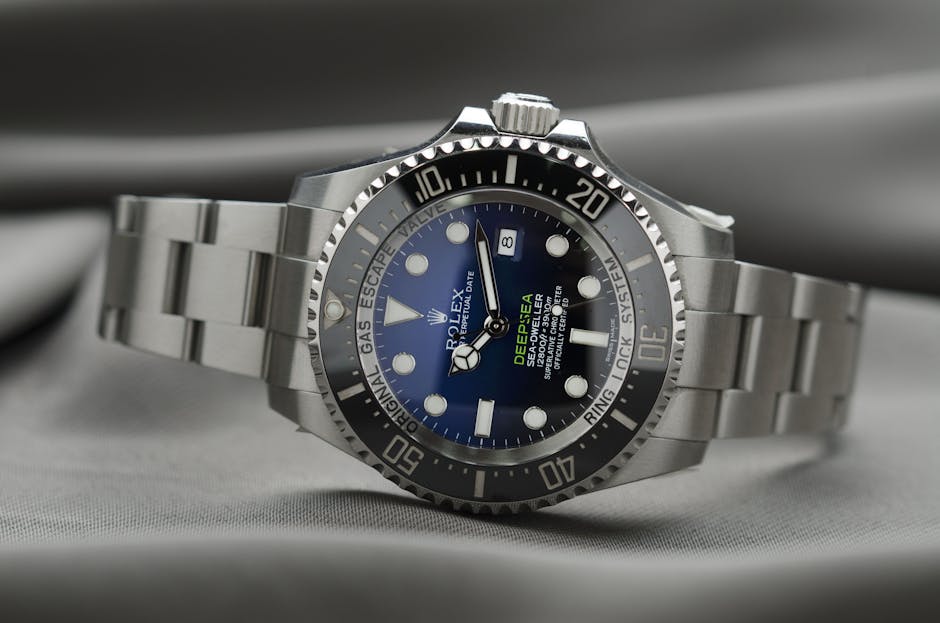
Not all Rolexes are created equal. The brand covers everything from the Oyster Perpetual to the Cosmograph Daytona. Steel sports models - Submariner, GMT-Master II, Explorer, Daytona in stainless - tend to behave differently from precious-metal pieces. In recent years steel sports models often trade above retail because demand outstrips dealer supply. Gold or two-tone models can hold value well, but they rarely see the same premium over list price unless there’s a rarity factor.
2. Condition, Originality, and Service History
A decade-old Rolex with original box and papers, unpolished case, and documented service history will command more than a polished, dial-swapped example. Collectors pay a premium for originality. Service receipts matter because they show the watch was maintained without unnecessary part swaps. I once learned this the hard way: I sold a watch that had been polished for resale. The buyer was honest - he preferred the look - but I lost at least 15% of potential value because collectors penalize polishing.
3. Market Context - Demand, Scarcity, and Trend Momentum
Value is price someone is willing to pay today. Demand spikes can be model-specific and time-limited. Scarcity at authorized dealers creates immediate upward pressure on the secondary market. In contrast, if a model is widely available, prices tend to sit near retail. Think of Rolex supply like waves. A factory change, a popular celebrity wearing a specific model, or a discontinuation can raise a wave that keeps prices high for years. In contrast, overproduction or waning interest can flatten values.
Quick note on timing and purpose
Are you buying to wear or to store? If you want to wear the watch every day, small declines in resale value matter less than how much you enjoy it. If investment is the goal, you must be stricter buying pre-owned rolex on model and condition. I bought a GMT as a daily wearer and treated it like a tool, knowing I’d accept some wear. Later I regretted letting the bracelet show stretch on a model that later became sought-after.
Why the Pre-Owned Market Historically Favored Steel Sports Models
For a decade, the secondary market has favored stainless steel sports models. There are several reasons this trend formed and persisted.
Supply constraints create premiums
Dealers often have long waiting lists for steel sports models. The result: many buyers who want a "new" stainless sports Rolex turn to the secondary market. This demand premium pushes prices above retail.
Consistent popularity and broad buyer base
Steel sports models are versatile - they work in casual, business, and even dress settings. That broad appeal widens the buyer pool. A larger pool means more bidders at resale, which drives prices higher in contrast to niche or dress-only models.
Examples from experience and market snapshots
When I bought a steel Submariner a few years back, the dealer told me the waitlist was six months. I could have paid a premium to skip the list on the secondary market, but I waited. While waiting, I learned that some people prefer instant ownership and will pay a steady premium - that creates a stable above-retail market. Based on market data through 2024, a steel Submariner from the mid-2010s commonly sold for above original retail, often by several thousand dollars. Similarly, the stainless Daytona and GMT-Master II models have shown strong resale performance.
Why Vintage, Limited Editions, and Discontinued References Upset Expectations
In contrast to the steady performance of mainstream steel sports models, vintage and limited-run Rolexes follow a different logic. They can appreciate unpredictably, either outperforming or underperforming expectations based on a handful of variables.
Patina, rarity, and story as value drivers
Vintage collectors prize original dials, unique patina, and documented provenance. These features create emotional value that buyers will pay for. A visually unique dial or a military provenance can multiply a watch’s price because it becomes a story that only a small number of buyers can claim.
Discontinuations can create new demand
When Rolex discontinues a reference, values often rise. But not always immediately. Sometimes the market takes years to digest the significance. If a model is discontinued and also had limited production, value tends to climb faster. On the other hand, if the discontinued model was broadly unliked, it may remain under the radar.
Example: how a limited run affects price
Think about a hypothetical: imagine Rolex releases 1,000 units of a special-dial GMT in 2010 and then discontinues it. Ten years later, the secondary market has a tiny supply of those watches and a modest pool of buyers who care deeply - prices can leap. I sold a rare variant once to a collector who had been searching for five years. He paid a noticeable premium; the scarcity and his willingness to pay made the price.
Other Paths: Auctions, Private Sales, and Trading Platforms
There are more ways to buy and sell than dealer counters and classifieds. Each route has trade-offs in price, risk, and convenience.

Auction houses - potential highs, fees, and uncertainty
Auction houses can produce headline prices, especially for rare pieces. On the other hand, they charge fees and carry uncertainty. If your goal is to maximize a one-off sale, an auction can deliver. If you need predictable pricing or a quick sale, auctions can be painful.
Private sales and peer-to-peer platforms
Private sales let you cut out middlemen, which can be good for both buyer and seller. But they also increase risk. Without the protection of an established dealer, you need to verify authentication, condition, and service history yourself. I once bought a watch via a private listing that later required a full service - the lack of receipts became a negotiation headache.
Specialized dealers and consignment
Consigning with a reputable dealer gives you market access and authentication. Expect consignment fees, but also expect marketing that can reach serious buyers. In contrast, selling directly on a popular trading platform might net you more but require more legwork and risk management.
How to Decide: A Practical Guide Based on Experience
Alright, time for the part I wish someone had given me when I started: a decision checklist and a couple of thought experiments to sharpen your instincts.
Decision checklist
- Define your goal: wear, trade, or long-term hold.
- Pick the category: steel sports for liquidity and potential above-retail value; vintage or limited editions for rarity-driven upside; precious-metal pieces for intrinsic value that tracks gold or status more than scarcity.
- Verify condition and papers: original box, warranty card, service records, and unpolished cases increase value.
- Choose a selling route: dealer for convenience, auction for potential upside, private sale to maximize return but take more risk.
- Plan an exit strategy: set a target price and a minimum acceptable sale price before buying.
Thought experiment 1 - The 2015 purchase
Imagine you bought a 2015 steel Submariner for $8,000 in 2015 and kept it to 2025. In contrast, someone else bought the same watch in 2018 for $10,000 and sold it in 2020 for $14,000. Which person "won"? The 2018 buyer flipped for a gain. The 2015 buyer might still have a larger overall return if the watch appreciated to $16,000 by 2025. The thought experiment shows why timing and holding period matter. If you want liquidity, flipping can win. If you want long-term appreciation, holding through volatility can pay off.
Thought experiment 2 - Wear vs. Invest
Picture two buyers: one wears the watch daily, giving it visible wear but enormous personal value, the other stores it carefully in a safe, preserving condition for a decade. The wearer gains utility; the preserver likely preserves resale value. Which is right depends on how much you value wearing versus extracting financial gain. My own preference now is to own at least one watch I will wear without treating it as a bank deposit - but I choose that watch based on its lower resale sensitivity.
About "2015 Rolex current price" and decade-old valuations
People often want a quick number. Based on market patterns through 2024, here are some general observations, not guarantees: a well-kept 2015 stainless sports Rolex often trades near or above its original retail price in the secondary market, especially for Submariner, GMT-Master II, and Daytona references. For example, a 2015 Submariner that retailed around $7,000 might have sold in the secondary market for roughly $12,000 to $18,000 depending on condition and demand. A 2015 stainless Daytona could have ranged much higher, sometimes two to three times retail during peak demand. Be cautious: markets change, so use these figures as directional guidance and confirm current listings before acting.
Final practical tips
- Do your homework: search completed sales rather than current listings to see real prices realized.
- Negotiate with context: if a seller quotes a number, reference recent comparable sales.
- Keep receipts and service records: they matter more than you think when you sell.
- Accept that not every purchase will go up in value - enjoy what you buy if you plan to wear it.
In contrast to the myth of guaranteed gains, Rolex ownership balances emotion and economics. Similarly to owning a classic car, some choices are made for the joy of use and others for potential financial return. On the other hand, getting the basics right - model, condition, and an informed selling route - gives you the best chance at both good experiences and solid returns.
If you want, tell me the exact model and condition you’re looking at and I’ll walk through a tailored comparison: how it typically trades, what to expect in an auction versus private sale, and what a sensible buy price might be based on recent market behavior through 2024.
